1. Specifications Comparison
| Feature | Xiaomi Poco F5 Pro | Motorola Moto G24 Power | Practical Impact |
|---|---|---|---|
| Design | |||
| Dimensions (mm) | 162.8 x 75.4 x 8.6 | 163.5 x 74.5 x 9.0 | Poco F5 Pro is slightly smaller and thinner. |
| Weight (g) | 204 | 197 | Negligible weight difference in practical use. |
| Build | Missing | Missing | Build quality and materials cannot be compared. |
| Display | |||
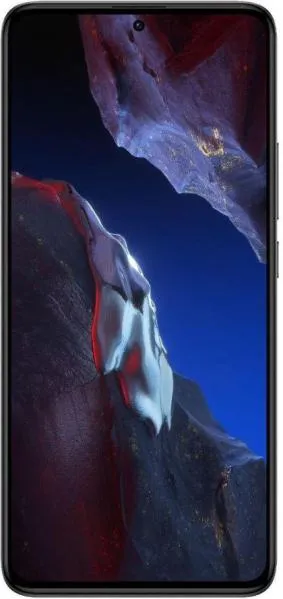
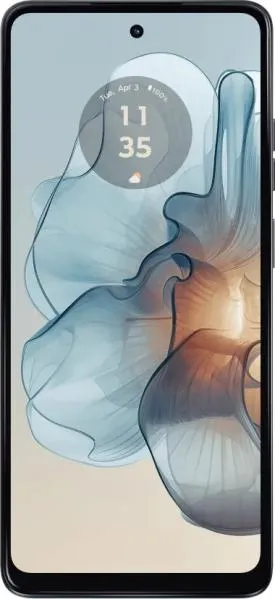
| Display Type | 6.67" AMOLED, 120Hz | 6.56" IPS LCD, 90Hz | Poco F5 Pro offers significantly better contrast, colors, and smoother scrolling due to AMOLED technology and higher refresh rate. |
| Resolution | 1440 x 3200 | 720 x 1612 | Much sharper and more detailed visuals on the Poco F5 Pro. Noticeable difference in clarity for text, images, and videos. |
| Brightness | 1400 nits (peak) | 537 nits (peak) | Poco F5 Pro will be much more readable in direct sunlight. |
| Performance | |||
| Chipset | Snapdragon 8+ Gen 1 | Helio G85 | Poco F5 Pro boasts vastly superior processing power, enabling significantly smoother multitasking, faster app loading, and better gaming performance. |
| CPU | Octa-core (1x3.0 GHz Cortex-X2 & 3x2.5 GHz Cortex-A710 & 4x1.80 GHz Cortex-A510) | Octa-core (2x2.0 GHz Cortex-A75 & 6x1.7 GHz Cortex-A55) | The Poco F5 Pro's CPU architecture is more powerful and efficient. |
| GPU | Adreno 730 | Mali-G52 MC2 | Significantly better graphics performance on the Poco F5 Pro, crucial for demanding games and graphic-intensive applications. |
| RAM | 8/12GB | 8GB | More RAM options available on Poco F5 Pro; 12GB variant will handle heavy multitasking more effectively. |
| Camera | |||
| Main Camera | 64MP, f/1.79 | 50MP, f/1.8 | While megapixel count is higher on Poco F5 Pro, sensor details (sensor size for both phones) are missing to make a comprehensive comparison. Image quality differences cannot be definitively determined without this information. |
| Video Recording | Up to 8K@24fps | Up to 1080p@30fps | Poco F5 Pro offers significantly higher resolution video recording capabilities. |
| Battery | |||
| Capacity | 5160 mAh | 6000 mAh | Moto G24 Power has a larger battery capacity, potentially offering longer battery life. However, real-world usage will depend on software optimization and display power consumption. |
2. Key Differences Analysis
Xiaomi Poco F5 Pro Advantages:
- Significantly superior performance: The Snapdragon 8+ Gen 1 offers a substantial performance advantage for demanding tasks and gaming.
- High-quality display: The AMOLED display with a 120Hz refresh rate provides vivid colors, deep blacks, and smooth scrolling.
- Higher resolution display: Sharper visuals for a more immersive experience.
- Advanced camera features: 8K video recording capability.
Motorola Moto G24 Power Advantages:
- Larger battery capacity: Potential for longer battery life, appealing to users prioritizing endurance.
- Lower price: Significantly more affordable, catering to budget-conscious consumers.
3. User Profiles & Recommendations
Xiaomi Poco F5 Pro: Ideal for users who prioritize performance, a premium display, and advanced features like high-resolution video recording. Suitable for gamers, power users, and content creators.
Motorola Moto G24 Power: Best suited for budget-conscious users who prioritize long battery life and basic functionality. Ideal for users who primarily use their phones for communication, social media, and light web browsing.
4. Decision Framework
Key Questions for Buyers:
- What is your budget? The Moto G24 Power is significantly more affordable.
- What are your primary phone usage patterns? Gamers and power users will appreciate the Poco F5 Pro's performance; basic users might find the Moto G24 Power sufficient.
- How important is battery life? The Moto G24 Power's larger battery may provide longer usage time.
Scenario-Based Recommendations:
- Limited Budget, Basic Usage: Moto G24 Power
- Prioritize Performance and Display: Poco F5 Pro
- Balanced Needs and Value: Consider other options within the mid-range price segment, offering a compromise between performance and affordability.
My Choice: Xiaomi Poco F5 Pro
While the Motorola Moto G24 Power offers excellent battery life for its price, the Xiaomi Poco F5 Pro is the superior device overall. Its flagship-level performance, stunning AMOLED display, and advanced features make it a more compelling choice. The significantly improved user experience in terms of speed, visuals, and responsiveness outweighs the Moto G24 Power's advantage in battery capacity. While battery life is important, I value a smooth and enjoyable user experience more, which the Poco F5 Pro delivers in spades. The price difference is significant, but the Poco F5 Pro offers a substantial jump in quality and capabilities that justifies the higher cost for my needs.
