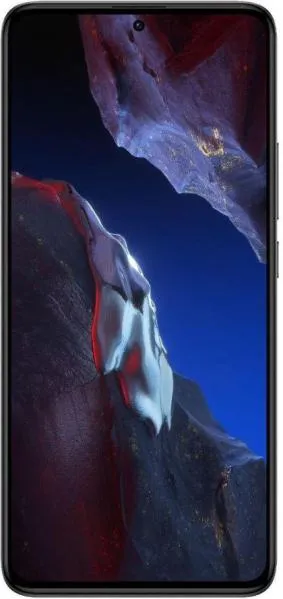
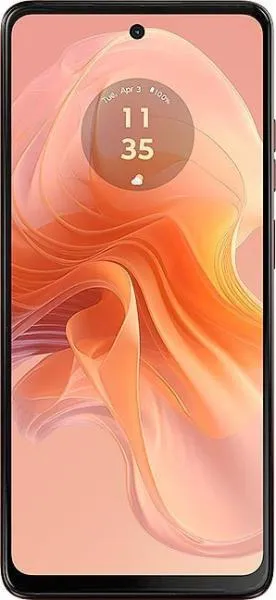
1. Specifications Comparison
| Feature | Xiaomi Poco F5 Pro | Motorola Moto G04s | Practical Impact |
|---|---|---|---|
| Design | |||
| Dimensions (mm) | 162.8 x 75.4 x 8.6 | 163.5 x 74.5 x 8.0 | Poco F5 Pro is slightly shorter and narrower but thicker. Negligible difference in real-world usage. |
| Weight (g) | 204 | 178.8 | Moto G04s is noticeably lighter, reducing hand fatigue during extended use. |
| Display | |||
| Display Type | AMOLED | IPS LCD | Poco F5 Pro's AMOLED offers deeper blacks, more vibrant colors, and better power efficiency in dark mode. |
| Display Size (inches) | 6.67 | 6.56 | Negligible size difference. |
| Resolution | 1440 x 3200 | 720 x 1612 | Poco F5 Pro offers significantly sharper visuals (526 ppi vs 269 ppi), crucial for media consumption and gaming. |
| Refresh Rate (Hz) | 120 | 90 | Poco F5 Pro's 120Hz display provides smoother animations and scrolling, resulting in a more fluid user experience. |
| HDR | Dolby Vision, HDR10+ | None | Poco F5 Pro supports HDR standards for enhanced dynamic range and more realistic visuals in compatible content. |
| Performance | |||
| Chipset | Snapdragon 8+ Gen 1 | Unisoc T606 | Poco F5 Pro boasts a flagship-level processor, significantly outperforming the Moto G04s in demanding tasks like gaming and multitasking. |
| CPU | Octa-core (1x3.0 GHz Cortex-X2 & 3x2.5 GHz Cortex-A710 & 4x1.80 GHz Cortex-A510) | Octa-core (2x1.6 GHz Cortex-A75 & 6x1.6 GHz Cortex-A55) | Poco F5 Pro's CPU architecture and higher clock speeds translate to much faster processing and smoother performance. |
| GPU | Adreno 730 | Mali-G57 MP1 | Poco F5 Pro offers substantially better graphics performance, essential for high-end gaming and graphically intensive applications. |
| RAM | 8/12 GB | 4 GB | More RAM in the Poco F5 Pro enables smoother multitasking and allows for more apps to run in the background without performance degradation. |
| Camera | |||
| Main Camera (MP) | 64 | 50 | While megapixel count isn't everything, the Poco F5 Pro also has a larger sensor and wider aperture (f/1.79 vs f/1.8), potentially capturing more light and detail. |
| Video Recording | Up to 8K@24fps | Up to 1080p@30fps | Poco F5 Pro offers significantly higher resolution video recording capabilities. |
| Additional Cameras | Ultrawide, Macro | None listed | Poco F5 Pro provides more versatile photography options with dedicated ultrawide and macro lenses. |
| Battery | |||
| Capacity (mAh) | 5160 | 5000 | Similar battery capacities, but real-world battery life will depend on software optimization and usage patterns. |
2. Key Differences Analysis
Xiaomi Poco F5 Pro Advantages:
- Significantly higher performance: The Snapdragon 8+ Gen 1 chipset provides a vastly superior experience for demanding tasks and gaming.
- Superior display: The AMOLED display with 120Hz refresh rate and HDR support offers vibrant colors, deep blacks, and smooth visuals.
- More versatile camera system: Inclusion of ultrawide and macro lenses.
- Higher resolution video recording: Up to 8K.
Motorola Moto G04s Advantages:
- Lighter weight: More comfortable for extended use.
- Lower price: Offers a more budget-friendly option.
3. User Profiles & Recommendations
Xiaomi Poco F5 Pro: Ideal for users who prioritize performance, a high-quality display, and versatile camera capabilities. Excellent for mobile gamers, content creators, and power users.
Motorola Moto G04s: Suitable for budget-conscious users who primarily use their phones for basic tasks like calling, texting, browsing, and social media. Good for users who prioritize affordability and battery life over top-tier performance.
4. Decision Framework
Key Questions for Buyers:
- What is your budget? The Poco F5 Pro is significantly more expensive.
- What are your primary use cases? For basic tasks, the Moto G04s is sufficient. For demanding tasks, the Poco F5 Pro is necessary.
- How important is display quality and performance? The Poco F5 Pro offers a substantial upgrade in these areas.
My Choice: Xiaomi Poco F5 Pro
While the Motorola Moto G04s offers an attractive price point, the Xiaomi Poco F5 Pro is the clear winner for me. The superior performance, stunning display, and versatile camera system outweigh the price difference. I prioritize a smooth and responsive user experience, especially for gaming and media consumption, making the Poco F5 Pro a better fit for my needs. The higher resolution and refresh rate are crucial for enjoyable daily usage, and the powerful processor ensures future-proofing for demanding applications. While the Moto G04s is a decent budget option, the compromises in performance and display are too significant for my personal preferences.
