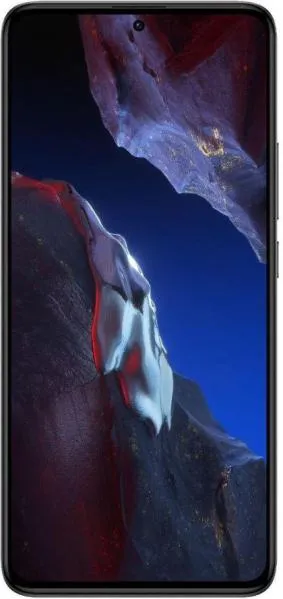
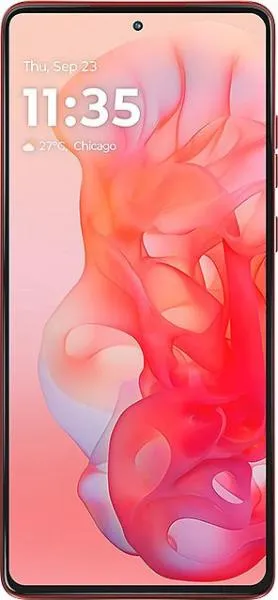
1. Specifications Comparison
| Feature | Xiaomi Poco F5 Pro | Motorola Moto G Stylus 5G (2024) | Practical Impact |
|---|---|---|---|
| Design | |||
| Dimensions (mm) | 162.8 x 75.4 x 8.6 | 162.6 x 74.8 x 8.3 | Virtually identical in size and hand feel. |
| Weight (g) | 204 | 190 | Poco F5 Pro is slightly heavier. |
| Build Material | Not specified | Not specified | Cannot compare build quality and durability. |
| Display | |||
| Display Type | 6.67" AMOLED, 120Hz | 6.7" P-OLED, 120Hz | Both offer smooth scrolling; AMOLED generally offers better contrast and deeper blacks. The Poco F5 Pro boasts higher peak brightness, improving outdoor visibility. |
| Resolution | 1440 x 3200 (WQHD+) | 1080 x 2400 (FHD+) | Poco F5 Pro has a significantly sharper display with more detail. |
| Color Depth | 68B | 1B | Moto G Stylus offers a wider color gamut, potentially resulting in more vibrant visuals. |
| HDR | Dolby Vision, HDR10+ | Not specified | Poco F5 Pro supports HDR standards, enabling better dynamic range in compatible content. Missing HDR specs for Moto makes direct comparison impossible. |
| Performance | |||
| Chipset | Snapdragon 8+ Gen 1 | Snapdragon 6 Gen 1 | Poco F5 Pro has a flagship-level processor, delivering significantly faster performance for demanding tasks and gaming. |
| CPU | Octa-core (1x3.0 GHz X2 & 3x2.5 GHz A710 & 4x1.80 GHz A510) | Octa-core (4x2.2 GHz A78 & 4x1.8 GHz A55) | Superior CPU architecture in Poco F5 Pro translates to smoother multitasking and faster app loading. |
| GPU | Adreno 730 | Adreno 710 | Poco F5 Pro offers a more powerful GPU for better gaming performance and smoother graphics rendering. |
| RAM | 8/12GB | 8GB | More RAM options available in the Poco F5 Pro, enhancing multitasking capabilities. 12GB allows for more apps to run in the background without reloading. |
| Camera | |||
| Main Camera | 64MP, f/1.79 | 50MP, f/1.8 | Comparable main camera sensors, though image quality depends heavily on processing. |
| Ultrawide | 8MP, f/2.2 | 13MP, f/2.2 combined with Macro | Moto G Stylus has a higher resolution ultrawide, potentially capturing more detail. Poco F5 Pro has a dedicated macro lens, though its low resolution is a limiting factor. |
| Selfie Camera | 16MP, f/2.45 | 32MP, f/2.45 | Moto G Stylus has a higher resolution selfie camera. |
| Video Recording | Up to 8K@24fps | Up to 4K@30fps | Poco F5 Pro supports higher resolution video recording. |
| Battery | |||
| Capacity | 5160 mAh | 5000 mAh | Marginally larger battery in the Poco F5 Pro, though actual battery life depends on usage and optimization. |
2. Key Differences Analysis
Xiaomi Poco F5 Pro Advantages:
- Significantly more powerful: The Snapdragon 8+ Gen 1 provides a substantial performance advantage for gaming, demanding apps, and multitasking.
- Sharper Display: WQHD+ resolution offers noticeably better detail and clarity.
- Higher Peak Brightness: Improved outdoor visibility.
- HDR Support: Better dynamic range in compatible content.
- Higher Resolution Video Recording: Up to 8K recording.
Motorola Moto G Stylus 5G (2024) Advantages:
- Stylus Support: Offers precise input for note-taking, drawing, and navigation (not explicitly stated in the data but implied by the name).
- Potentially Wider Color Gamut: 1B color depth suggests more vibrant visuals.
- Higher Resolution Ultrawide Camera: Potentially captures more detail in wide shots.
- Higher Resolution Selfie Camera: Better for self-portraits and video calls.
- Lower Price: Likely more affordable based on historical Moto G pricing.
Trade-offs:
- Performance vs. Price: Poco F5 Pro offers superior performance but at a higher price.
- Resolution vs. Battery Life: Poco F5 Pro's higher resolution display may consume more power.
- Camera System: While both have strengths and weaknesses, image processing will play a crucial role in determining the overall better camera.
3. User Profiles & Recommendations
Xiaomi Poco F5 Pro: Users who prioritize performance, a sharp display, and high-quality video recording. Ideal for mobile gamers, power users, and content creators.
Motorola Moto G Stylus 5G (2024): Users who value stylus functionality, a vibrant display, and a good balance of features at a more affordable price. Ideal for students, artists, and casual users who prioritize note-taking and creative tasks.
4. Decision Framework
Key Questions for Buyers:
- What is your budget? The Poco F5 Pro is expected to be more expensive.
- What are your primary use cases? (Gaming, productivity, content creation, casual use)
- Do you need stylus functionality? This is a key differentiator for the Moto G Stylus.
Scenario-Based Recommendations:
- Heavy Gamer: Poco F5 Pro
- Student on a Budget: Moto G Stylus 5G (2024)
- Content Creator: Poco F5 Pro
- Casual User prioritizing note-taking: Moto G Stylus 5G (2024)
My Choice: Xiaomi Poco F5 Pro
While the Moto G Stylus 5G (2024) offers a compelling set of features for its price point, including the unique stylus functionality, I would choose the Xiaomi Poco F5 Pro. The significantly superior performance offered by the Snapdragon 8+ Gen 1, coupled with the sharper WQHD+ display and robust video recording capabilities, makes it a more compelling device for my needs. I prioritize a smooth and responsive user experience, especially for demanding tasks and gaming, and the Poco F5 Pro excels in this area. The slightly higher price is justified by the significant jump in performance and overall user experience. While I appreciate the stylus functionality of the Moto G Stylus, it's not a feature I would personally utilize heavily enough to outweigh the performance advantages of the Poco F5 Pro. The brighter display of the Poco F5 Pro is also a deciding factor for me, as I frequently use my phone outdoors.
