1. Specifications Comparison
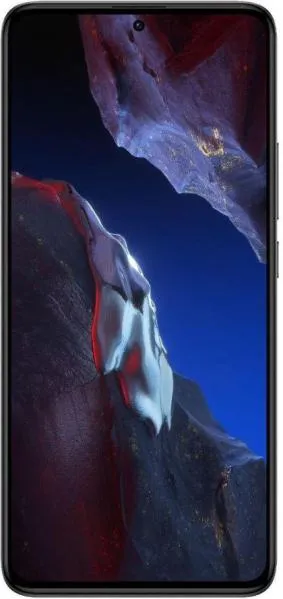
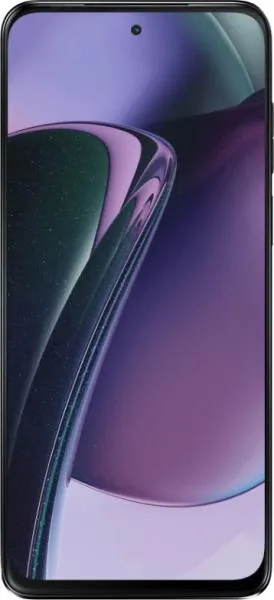
| Feature | Xiaomi Poco F5 Pro | Motorola Moto G Stylus 5G (2023) | Practical Impact |
|---|---|---|---|
| Design | |||
| Dimensions (mm) | 162.8 x 75.4 x 8.6 | 162.8 x 73.8 x 9.2 | Poco F5 Pro slightly slimmer, Moto G Stylus thicker. Negligible difference in hand feel. |
| Weight (g) | 204 | 202 | Virtually identical weight. |
| Fingerprint Sensor | Under-display | Side-mounted | Preference-based. Under-display feels more modern, side-mounted potentially faster unlock. |
| Stylus | No | Yes | Significant difference. Stylus enables note-taking, sketching, precise interactions. |
| Display | |||
| Size (inches) | 6.67 | 6.6 | Negligible size difference. |
| Resolution | 1440 x 3200 | 1080 x 2400 | Poco F5 Pro significantly sharper (526 ppi vs 399 ppi). Noticeably crisper text and images. |
| Panel Type | AMOLED | IPS LCD | Major impact on visual experience. AMOLED offers deeper blacks, vibrant colors, higher contrast, and potential for always-on display. |
| Refresh Rate (Hz) | 120 | 120 | Both offer smooth scrolling and animations. |
| HDR | Dolby Vision, HDR10+ | None specified | Poco F5 Pro offers superior HDR support for compatible content (brighter highlights, wider color gamut). |
| Performance | |||
| Chipset | Snapdragon 8+ Gen 1 | Snapdragon 6 Gen 1 | Massive performance difference. Poco F5 Pro significantly faster and more powerful for demanding tasks (gaming, video editing). |
| CPU | Octa-core (1x3.0 GHz X2 & 3x2.5 GHz A710 & 4x1.8 GHz A510) | Octa-core (4x2.2 GHz A78 & 4x1.8 GHz A55) | Poco F5 Pro boasts a more powerful CPU architecture resulting in smoother multitasking and faster app loading. |
| GPU | Adreno 730 | Adreno 710 | Poco F5 Pro offers better graphics performance for smoother gaming and faster image processing. |
| RAM (GB) | 8/12 | 4/6/8 | More RAM in higher-end Poco F5 Pro configurations enables better multitasking. |
| Camera | |||
| Main Camera (MP) | 64 | 50 | Both offer high resolution. Image quality depends more on sensor and processing. |
| Ultrawide (MP) | 8 | 8 | Similar resolution. Practical difference likely in lens quality and image processing. |
| Macro (MP) | 2 | Combined with ultrawide | Dedicated macro lens on Poco F5 Pro potentially offers better macro shots. Moto G Stylus combines macro with ultrawide, potentially compromising quality. |
| Video Recording | Up to 8K@24fps | Up to 4K@30fps | Poco F5 Pro offers higher resolution video recording. |
| Battery | |||
| Capacity (mAh) | 5160 | 5000 | Similar battery capacities. Real-world battery life depends on usage and optimization. |
2. Key Differences Analysis
Xiaomi Poco F5 Pro Advantages:
- Significantly more powerful: Snapdragon 8+ Gen 1 provides a vastly superior performance for demanding tasks and gaming.
- Sharper and more vibrant display: AMOLED with higher resolution delivers a superior visual experience.
- Higher resolution video recording: Up to 8K recording.
- Dedicated macro lens: Potentially better macro photography.
Motorola Moto G Stylus 5G (2023) Advantages:
- Integrated stylus: Enables note-taking, drawing, and precise interactions.
- Potentially lower price: Depending on configuration, could be significantly cheaper.
3. User Profiles & Recommendations
Xiaomi Poco F5 Pro: Ideal for power users, gamers, and those who prioritize performance and a premium display. Excellent for demanding tasks, multimedia consumption, and mobile gaming.
Motorola Moto G Stylus 5G (2023): Ideal for students, artists, and note-takers who value the integrated stylus. Suitable for everyday tasks, media consumption, and creative endeavors. Less suitable for demanding gaming.
4. Decision Framework
Key Questions for Buyers:
- What is your budget? The Poco F5 Pro is generally more expensive.
- Do you need a stylus? This is a major differentiating feature.
- What is your primary use case? Demanding tasks and gaming vs. note-taking and everyday use.
My Choice: Xiaomi Poco F5 Pro
While the stylus on the Moto G Stylus is a compelling feature for certain users, the Xiaomi Poco F5 Pro's superior performance, stunning display, and overall feature set make it the better choice for me. I prioritize a smooth and responsive user experience, especially for gaming and multimedia consumption. The Snapdragon 8+ Gen 1 ensures future-proofing for demanding applications, and the AMOLED display offers a significantly better visual experience. While the Moto G Stylus provides good value for its price, the Poco F5 Pro offers a more compelling overall package for my needs. The price difference is justified by the significant jump in performance and display quality.
