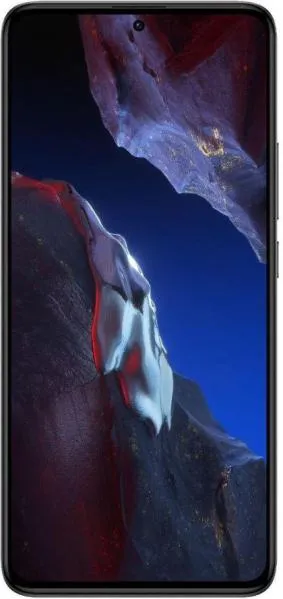

1. Specifications Comparison
| Feature | Xiaomi Poco F5 Pro | Motorola Moto G (2023) | Practical Impact |
|---|---|---|---|
| Design | |||
| Dimensions (mm) | 162.8 x 75.4 x 8.6 | 164 x 75 x 8.4 | Poco F5 Pro is slightly shorter and thinner. Negligible difference in daily use. |
| Weight (g) | 204 | 189 | Moto G is noticeably lighter, reducing hand fatigue during extended use. |
| Build | Material information missing for both. Can't compare durability or feel. | ||
| Display | |||
| Display Type | 6.67" AMOLED, 120Hz | 6.5" IPS LCD, 120Hz | Poco F5 Pro offers deeper blacks, more vibrant colors, and potentially better power efficiency due to AMOLED technology. |
| Resolution | 1440 x 3200 (WQHD+) | 720 x 1600 (HD+) | Significantly sharper and more detailed visuals on the Poco F5 Pro. Noticeable difference in clarity for text, images, and videos. |
| PPI | 526 | 270 | Much higher pixel density on Poco F5 Pro, resulting in crisper images and text. |
| Peak Brightness | 1400 nits | Not specified | Poco F5 Pro's high peak brightness ensures excellent outdoor visibility. Moto G's unspecified brightness limits comparison. |
| Performance | |||
| Chipset | Snapdragon 8+ Gen 1 | Snapdragon 480+ 5G | Poco F5 Pro boasts a flagship-level processor, enabling significantly faster performance, smoother multitasking, and demanding gaming capabilities. |
| CPU | Octa-core (1x3.0 GHz Cortex-X2 & 3x2.5 GHz Cortex-A710 & 4x1.80 GHz Cortex-A510) | Octa-core (2x2.2 GHz Kryo 460 & 6x1.8 GHz Kryo 460) | Poco F5 Pro's superior CPU architecture delivers much faster processing speeds for all tasks. |
| GPU | Adreno 730 | Adreno 619 | Poco F5 Pro offers significantly better graphics performance crucial for gaming and graphically intensive applications. |
| RAM | 8GB/12GB | 4GB | More RAM in Poco F5 Pro allows for smoother multitasking and more apps running in the background without performance slowdowns. |
| Camera | |||
| Main Camera | 64MP, f/1.79 | 48MP, f/1.7 | Higher resolution on the Poco F5 Pro potentially offers more detail in photos. Lens and sensor size details lacking for comprehensive comparison. |
| Video Recording | Up to 8K@24fps | Up to 1080p@30fps | Poco F5 Pro offers substantially higher video resolution and frame rate options. |
| Battery | |||
| Capacity | 5160 mAh | 5000 mAh | Slightly larger battery in the Poco F5 Pro. Real-world battery life depends on various factors including display and processor efficiency. |
2. Key Differences Analysis
Xiaomi Poco F5 Pro Advantages:
- Significantly superior performance: The Snapdragon 8+ Gen 1 chipset offers a substantial performance advantage for demanding tasks, gaming, and multitasking.
- Much better display: The high-resolution AMOLED display with a high refresh rate delivers a vastly improved visual experience.
- More versatile camera: Higher resolution sensors and 8K video recording capabilities.
Motorola Moto G (2023) Advantages:
- Lighter weight: Offers a more comfortable handling experience, especially for extended use.
- Lower price: Significantly more affordable, catering to budget-conscious buyers.
Trade-offs:
- The Poco F5 Pro's superior performance and display come at a higher price.
- The Moto G (2023) compromises on performance and display quality for affordability.
3. User Profiles & Recommendations
Xiaomi Poco F5 Pro: Ideal for users who prioritize performance, a high-quality display, and versatile camera capabilities. Suitable for demanding tasks like gaming, content creation, and media consumption.
Motorola Moto G (2023): Ideal for budget-conscious users who prioritize basic functionality, like calling, texting, web browsing, and social media. Suitable for users who don't engage in demanding tasks.
4. Decision Framework
Key Questions for Buyers:
- What is your budget? The Moto G (2023) offers significant cost savings.
- What are your primary use cases? For demanding tasks, the Poco F5 Pro is a better choice. For basic usage, the Moto G (2023) suffices.
- How important is display quality and performance? The Poco F5 Pro significantly outperforms the Moto G (2023) in these areas.
My Choice
I would choose the Xiaomi Poco F5 Pro. While significantly more expensive, the substantial leap in performance, the vastly superior display, and more versatile camera capabilities are crucial for my usage. I prioritize a smooth and enjoyable user experience for demanding tasks, gaming, and media consumption, making the Poco F5 Pro a better long-term investment despite the higher upfront cost. The Moto G (2023), while offering good value for its price, doesn't meet my needs for performance and display quality.
