1. Specifications Comparison
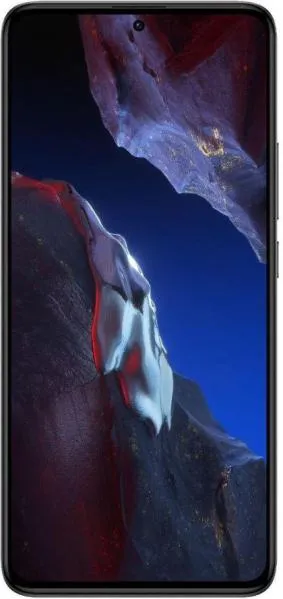
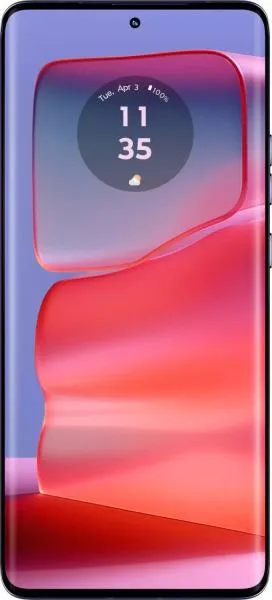
| Feature | Xiaomi Poco F5 Pro | Motorola Edge 50 Pro | Practical Impact |
|---|---|---|---|
| Design | |||
| Dimensions (mm) | 162.8 x 75.4 x 8.6 | 161.2 x 72.4 x 8.2 | The Motorola is slightly smaller and thinner, potentially improving one-handed use. |
| Weight (g) | 204 | 186 | The Motorola is noticeably lighter, reducing hand fatigue during extended use. |
| Display | |||
| Display Type | AMOLED | P-OLED | Both offer excellent contrast and vibrant colors. P-OLED might offer slightly better power efficiency. Subjective preference will play a role here. |
| Size (inches) | 6.67 | 6.7 | Negligible size difference. |
| Resolution | 1440 x 3200 | 1220 x 2712 | The Poco F5 Pro has a significantly sharper display (526 ppi vs 446 ppi), resulting in crisper text and images. |
| Refresh Rate (Hz) | 120 | 144 | The Motorola's higher refresh rate provides smoother animations and scrolling, especially noticeable in gaming and fast-paced content. |
| Peak Brightness (nits) | 1400 | 2000 | The Motorola's higher peak brightness ensures better visibility in direct sunlight. |
| Performance | |||
| Chipset | Snapdragon 8+ Gen 1 | Snapdragon 7 Gen 3 | The Poco F5 Pro's 8+ Gen 1 offers significantly better performance, especially in demanding tasks like gaming and video editing. |
| CPU | Octa-core (1x3.0 GHz Cortex-X2 & 3x2.5 GHz Cortex-A710 & 4x1.80 GHz Cortex-A510) | Octa-core (1x2.63 GHz Cortex-A715 & 4x2.4 GHz Cortex-A715 & 3x1.8 GHz Cortex-A510) | The Poco F5 Pro has a more powerful CPU architecture, leading to faster processing speeds. |
| GPU | Adreno 730 | Adreno 720 | The Poco F5 Pro has a more powerful GPU, resulting in smoother gaming and graphics performance. |
| RAM (GB) | 8/12 | 12/16 | Both offer ample RAM for multitasking, but the Motorola's higher RAM options provide more headroom for future-proofing. Note: The table compares the base 8GB RAM variant of the Poco F5 Pro. |
| Camera | |||
| Main Camera (MP) | 64 | 50 | Megapixel count isn't everything; image quality depends on sensor size, processing, and other factors. We lack sensor size data for the Motorola to make a thorough comparison. |
| Ultrawide (MP) | 8 | 13 | The Motorola has a higher resolution ultrawide camera. However, sensor details are needed for a complete comparison. |
| Telephoto | No | 10MP (3x optical zoom) | The Motorola offers optical zoom for better image quality at longer distances, a significant advantage. |
| Video | 8K@24fps | 4K@30fps | The Poco F5 Pro can record in higher resolution (8K), but the practical benefit is limited. |
| Battery | |||
| Capacity (mAh) | 5160 | 4500 | The Poco F5 Pro has a larger battery, likely resulting in longer battery life. |
| Charging Speed | Not specified | Not specified | Cannot compare charging speeds without data. |
2. Key Differences Analysis
Xiaomi Poco F5 Pro Advantages:
- Superior Performance: The Snapdragon 8+ Gen 1 provides a significant performance advantage for demanding tasks and gaming.
- Sharper Display: Higher resolution leads to a more detailed and crisp viewing experience.
- Larger Battery: Potentially longer battery life.
Motorola Edge 50 Pro Advantages:
- Higher Refresh Rate Display: Smoother scrolling and animations, especially beneficial for gaming.
- Brighter Display: Better visibility outdoors.
- Telephoto Lens: Enables optical zoom for improved image quality at a distance.
- More Recent OS with Longer Support: Starts with Android 14 and guaranteed updates to Android 17, meaning longer software support and security updates.
- USB 3.1 with DisplayPort: Faster data transfer and potential for desktop mode functionality.
3. User Profiles & Recommendations
Xiaomi Poco F5 Pro: Ideal for users who prioritize performance and a sharp display for gaming, media consumption, and demanding applications. Price-conscious users seeking top-tier performance will find this appealing.
Motorola Edge 50 Pro: Suitable for users who value a smooth and bright display, longer software support, versatile camera system with optical zoom, and the convenience of DisplayPort functionality.
4. Decision Framework
Key Questions for Buyers:
- What is your budget and how important is raw performance? The Poco F5 Pro offers significantly better performance for a potentially lower price.
- Do you prioritize display sharpness or smoothness and brightness? The Poco F5 Pro has a sharper display, while the Motorola offers a smoother and brighter one.
- How important is camera versatility and zoom capability? The Motorola's telephoto lens provides a clear advantage for photography enthusiasts.
My Choice: Motorola Edge 50 Pro
While the Poco F5 Pro offers tempting performance, the Motorola Edge 50 Pro better suits my needs. The combination of a smooth 144Hz display, brighter screen for outdoor use, versatile camera system with a telephoto lens, longer software update guarantee, and the added functionality of DisplayPort outweighs the raw performance advantage of the Poco F5 Pro for me. The slightly smaller and lighter form factor is also a plus. While I acknowledge the Poco F5 Pro's superior processing power, my usage doesn't consistently demand that level of performance. I prioritize a well-rounded experience with a strong camera, future-proof software, and modern connectivity options, making the Motorola Edge 50 Pro the better choice in my opinion.
