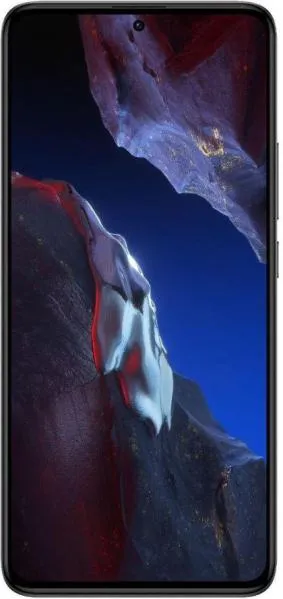
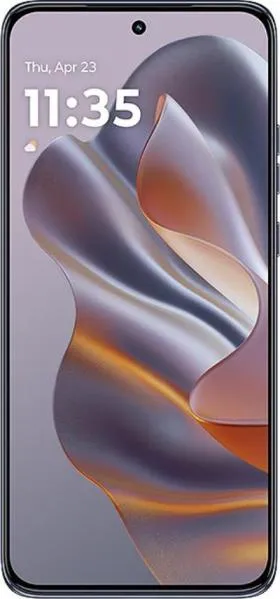
1. Specifications Comparison
| Feature | Xiaomi Poco F5 Pro | Motorola Edge 50 Neo | Practical Impact |
|---|---|---|---|
| Design | |||
| Dimensions (mm) | 162.8 x 75.4 x 8.6 | 154.1 x 71.2 x 8.1 | Poco F5 Pro is slightly taller and wider, Edge 50 Neo is thinner. Negligible difference in daily use. |
| Weight (g) | 204 | 171 | Edge 50 Neo is noticeably lighter, reducing hand fatigue during extended use. |
| Display | |||
| Display Type | AMOLED | LTPO P-OLED | Both offer excellent contrast and vibrant colors. LTPO allows for dynamic refresh rate adjustment on the Edge 50 Neo, potentially saving battery. |
| Size (inches) | 6.67 | 6.4 | Poco F5 Pro offers a larger screen for more immersive media consumption. |
| Resolution | 1440 x 3200 | 1256 x 2760 | Poco F5 Pro has a sharper display (526 ppi vs 474 ppi). Noticeable in detail-oriented tasks like photo editing. |
| Refresh Rate (Hz) | 120 | 120 | Both offer smooth scrolling and animations. |
| Peak Brightness (nits) | 1400 | 3000 | Edge 50 Neo boasts significantly higher peak brightness, ensuring excellent outdoor visibility. |
| Performance | |||
| Chipset | Snapdragon 8+ Gen 1 | Dimensity 7300 | Snapdragon 8+ Gen 1 offers superior processing power, beneficial for demanding games and multitasking. |
| CPU | Octa-core (1x3.0 GHz X2 & 3x2.5 GHz A710 & 4x1.8 GHz A510) | Octa-core (4x2.5 GHz A78 & 4x2.0 GHz A55) | Poco F5 Pro's CPU architecture provides a performance advantage, particularly in single-core tasks. |
| GPU | Adreno 730 | Mali-G615 MC2 | Adreno 730 delivers better gaming performance and graphics rendering compared to the Mali-G615 MC2. |
| RAM (GB) | 8/12 | 8/12 | Both offer ample RAM for smooth multitasking. |
| Camera | |||
| Main Camera (MP) | 64 | 50 | While megapixels aren't everything, the Poco F5 Pro's larger sensor (1/2") potentially captures more light and detail compared to the Edge 50 Neo's 1/1.56" sensor. |
| Video Recording | Up to 8K@24fps | Up to 4K@30fps | Poco F5 Pro offers higher resolution video recording. |
| Battery | |||
| Capacity (mAh) | 5160 | 4310 | Poco F5 Pro has a larger battery, potentially lasting longer on a single charge. |
2. Key Differences Analysis
Xiaomi Poco F5 Pro Advantages:
- Superior Performance: The Snapdragon 8+ Gen 1 significantly outperforms the Dimensity 7300.
- Sharper Display: Higher resolution for a more detailed visual experience.
- Larger Battery: Potentially longer battery life.
- Higher Resolution Video Recording: Up to 8K.
Motorola Edge 50 Neo Advantages:
- Lighter and More Compact: Easier to handle and carry.
- Brighter Display: Much better visibility in direct sunlight.
- LTPO Display: More energy efficient due to dynamic refresh rate.
- Newer Android Version: Ships with Android 14, offering potential software features and longer support.
Trade-offs:
- Performance vs. Battery Efficiency: Poco F5 Pro prioritizes performance, while Edge 50 Neo balances performance with battery life.
- Screen Size vs. Portability: Poco F5 Pro offers a larger, sharper display but sacrifices some portability.
3. User Profiles & Recommendations
Xiaomi Poco F5 Pro: Ideal for power users, gamers, and those who prioritize performance and a large, sharp display. Excellent for demanding tasks, media consumption, and content creation.
Motorola Edge 50 Neo: Suitable for users seeking a balance of performance, battery life, and a bright, vibrant display. Great for everyday use, social media, web browsing, and moderate gaming. Those who prioritize outdoor visibility will appreciate the brighter display.
4. Decision Framework
Key Questions for Buyers:
- What is your primary use case? (Gaming, media consumption, productivity, etc.)
- How important is battery life versus performance?
- What is your budget? (Consider the price difference between storage variants.)
Scenario-Based Recommendations:
- Heavy Gamer: Poco F5 Pro for its superior performance.
- Outdoor Enthusiast: Edge 50 Neo for its exceptionally bright display.
- Budget-Conscious User: Consider storage variants and prices for both phones. The Edge 50 Neo may offer better value depending on specific needs.
My Choice: Xiaomi Poco F5 Pro
While the Motorola Edge 50 Neo has compelling features like its brighter display and lighter weight, the Xiaomi Poco F5 Pro's superior performance and sharper display are decisive factors for me. I prioritize a smooth and responsive user experience, especially for demanding tasks and gaming. The larger battery is also a plus. I'm willing to compromise slightly on portability and outdoor visibility for the significant performance advantage the Poco F5 Pro offers. The newer Android version on the Edge 50 Neo is tempting, but the performance difference is more significant in my daily usage.
