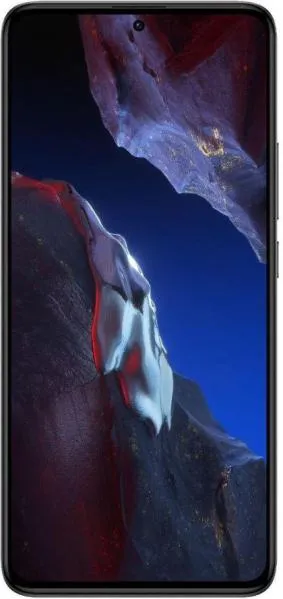
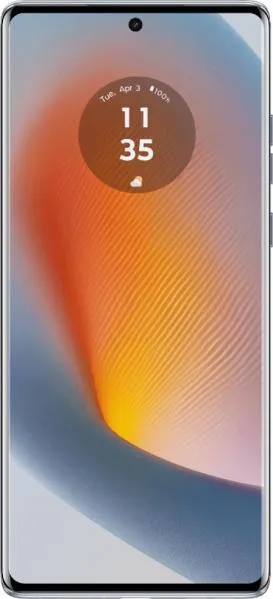
1. Specifications Comparison
| Feature | Xiaomi Poco F5 Pro | Motorola Edge 50 Fusion | Practical Impact |
|---|---|---|---|
| Design | |||
| Dimensions (mm) | 162.8 x 75.4 x 8.6 | 161.9 x 73.1 x 7.9 | Poco F5 Pro is slightly larger and thicker. |
| Weight (g) | 204 | 174.9 | Edge 50 Fusion is noticeably lighter, improving one-handed use. |
| Display | |||
| Display Type | AMOLED | P-OLED | Both offer excellent contrast and vibrant colors, but AMOLED generally has slightly better power efficiency. Subjective preference may apply regarding color accuracy. |
| Size (inches) | 6.67 | 6.7 | Negligible size difference. |
| Resolution | 1440 x 3200 (WQHD+) | 1080 x 2400 (FHD+) | Poco F5 Pro offers significantly sharper visuals due to higher resolution, beneficial for media consumption and detail-oriented tasks. |
| Refresh Rate (Hz) | 120 | 120/144 (Region Dependent) | Both offer smooth scrolling and animations. 144Hz on the Edge 50 Fusion (in some regions) provides a slight edge in fluidity for fast-paced gaming. |
| Peak Brightness (nits) | 1400 | 1600 | Edge 50 Fusion can get brighter, improving outdoor visibility. |
| Performance | |||
| Chipset | Snapdragon 8+ Gen 1 | Snapdragon 7s Gen 2 | Poco F5 Pro boasts a significantly more powerful processor, resulting in smoother multitasking, faster app loading, and better gaming performance. |
| CPU | Octa-core (1x3.0 GHz X2 & 3x2.5 GHz A710 & 4x1.80 GHz A510) | Octa-core (4x2.4 GHz A78 & 4x1.95 GHz A55) | The superior core configuration and clock speeds of the Poco F5 Pro translate to a substantial performance advantage. |
| GPU | Adreno 730 | Adreno 710 | Poco F5 Pro's GPU offers a noticeable improvement in graphics performance for demanding games and applications. |
| RAM (GB) | 8/12 | 8/12 | Both offer ample RAM for smooth multitasking, but configurations vary. |
| Camera | |||
| Main Camera (MP) | 64 | 50 | Poco F5 Pro has a higher resolution main sensor. Image quality depends on various factors beyond resolution, and real-world performance comparison requires camera samples. |
| Ultrawide (MP) | 8 | 13 | Edge 50 Fusion offers a higher resolution ultrawide lens. |
| Selfie Camera (MP) | 16 | 32 | Edge 50 Fusion has a significantly higher resolution front-facing camera, likely resulting in better selfie quality. |
| Video Recording | Up to 8K@24fps | Up to 4K@30fps | Poco F5 Pro supports higher resolution video recording. |
| Battery | |||
| Capacity (mAh) | 5160 | 5000 | Poco F5 Pro has a slightly larger battery, potentially offering longer battery life. Real-world battery life depends on usage patterns and software optimization. |
2. Key Differences Analysis
Xiaomi Poco F5 Pro Advantages:
- Significantly higher performance: The Snapdragon 8+ Gen 1 provides a substantial advantage in processing power, resulting in a smoother and faster overall experience.
- Sharper display: The WQHD+ resolution offers noticeably clearer visuals.
- Higher resolution video recording: Supports up to 8K recording.
Motorola Edge 50 Fusion Advantages:
- Lighter and more comfortable to hold: Noticeably less weight can be crucial for extended use.
- Higher peak brightness: Better visibility in direct sunlight.
- Higher resolution selfie camera: Potentially better selfie quality.
- Newer Android Version: Ships with Android 14 and guaranteed updates to Android 17. Longer software support and access to newer features.
- More affordable: Generally priced lower than the Poco F5 Pro.
3. User Profiles & Recommendations
Xiaomi Poco F5 Pro: Ideal for power users, gamers, and those who prioritize performance and a sharp display. Excellent for demanding tasks, multitasking, and media consumption.
Motorola Edge 50 Fusion: Suitable for users who prioritize a lightweight design, long software updates, a bright display for outdoor use, and good selfie quality. A balanced option for everyday use with a focus on affordability.
4. Decision Framework
Key Questions for Buyers:
- What is your budget? The Poco F5 Pro is generally more expensive.
- What are your performance needs? For demanding tasks and gaming, the Poco F5 Pro is the clear winner.
- What features do you prioritize? Consider display sharpness, battery life, camera quality, software updates, weight, and brightness.
My Choice: Xiaomi Poco F5 Pro
While the Motorola Edge 50 Fusion offers a compelling package with its lighter weight, brighter display, and lower price, the Xiaomi Poco F5 Pro's superior performance, sharper display, and higher resolution video recording capabilities are decisive factors for me. I prioritize a smooth and responsive user experience, especially for demanding tasks and gaming, making the Poco F5 Pro the better fit for my needs. The slightly larger battery is also a plus. I am willing to compromise on the slightly heavier weight for the significant performance gains. The longer software support of the Edge 50 Fusion is tempting, but the performance difference is too significant to ignore for my usage.
