1. Specifications Comparison
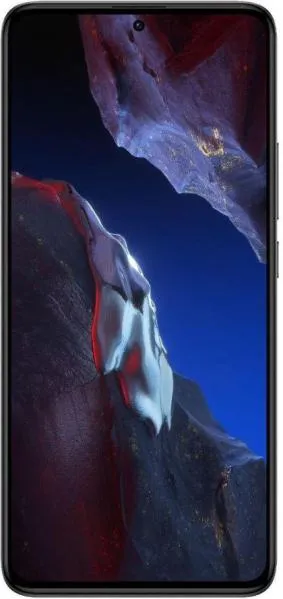
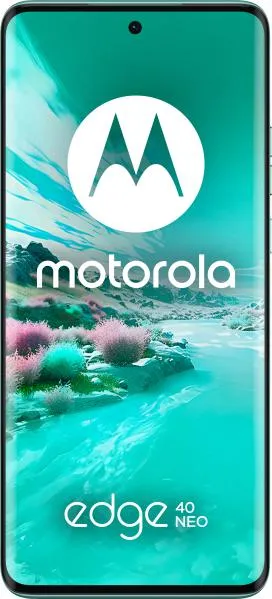
| Feature | Xiaomi Poco F5 Pro | Motorola Edge 40 Neo | Practical Impact |
|---|---|---|---|
| Design | |||
| Dimensions (mm) | 162.8 x 75.4 x 8.6 | 159.6 x 72 x 7.9 | Poco F5 Pro is slightly larger and thicker. Edge 40 Neo is noticeably lighter. Edge 40 Neo might feel more comfortable for one-handed use due to smaller width. |
| Weight (g) | 204 | 170 | Significant difference; Edge 40 Neo will be much easier to hold and carry for extended periods. |
| Display | |||
| Display Type | AMOLED | P-OLED | Both offer excellent contrast and vibrant colors. Subjective preference may apply regarding color accuracy and potential burn-in (though modern OLEDs minimize this). |
| Size (inches) | 6.67 | 6.55 | Poco F5 Pro offers a slightly larger screen for more immersive media consumption. |
| Resolution | 1440 x 3200 (WQHD+) | 1080 x 2400 (FHD+) | Poco F5 Pro has a significantly sharper display, noticeable in text clarity and image detail. |
| Refresh Rate (Hz) | 120 | 144 | Edge 40 Neo offers a higher refresh rate, resulting in smoother animations and scrolling, especially noticeable in gaming. |
| Peak Brightness (nits) | 1400 | 1300 | Both offer excellent brightness for outdoor visibility. The difference is minor in real-world usage. |
| Performance | |||
| Chipset | Snapdragon 8+ Gen 1 | Dimensity 7030 | Snapdragon 8+ Gen 1 offers significantly higher CPU and GPU performance, translating to faster app loading, smoother multitasking, and better gaming capabilities. |
| CPU | Octa-core (1x3.0 GHz Cortex-X2 & 3x2.5 GHz Cortex-A710 & 4x1.80 GHz Cortex-A510) | Octa-core (2x2.5 GHz Cortex-A78 & 6x2.0 GHz Cortex-A55) | Superior core configuration on the Poco F5 Pro provides a noticeable performance advantage in demanding tasks. |
| RAM (GB) | 8/12 | 12 | Both offer ample RAM for multitasking, but specific configurations should be compared. |
| Camera | |||
| Main Camera (MP) | 64 | 50 | Poco F5 Pro has a higher resolution main sensor. Image quality depends on factors beyond resolution, but the Poco F5 pro has a larger sensor (1/2" vs 1/1.55"), potentially capturing more light. |
| Video Recording | Up to 8K@24fps | Up to 4K@30fps | Poco F5 Pro supports higher resolution video recording. |
| Battery | |||
| Capacity (mAh) | 5160 | 5000 | Marginal difference in battery capacity. Real-world battery life depends heavily on usage patterns and software optimization. |
2. Key Differences Analysis
Xiaomi Poco F5 Pro Advantages:
- Significantly more powerful: The Snapdragon 8+ Gen 1 provides a substantial performance advantage for demanding tasks and gaming.
- Sharper Display: WQHD+ resolution offers superior clarity.
- Higher Resolution Video Recording: Capable of recording 8K video.
- Larger Main Camera Sensor: Potentially better low-light performance and depth of field.
Motorola Edge 40 Neo Advantages:
- Lighter and More Compact: Noticeably easier to handle and carry.
- Higher Refresh Rate Display: Smoother scrolling and animations.
- Lower Price: Generally more affordable. (Based on provided limited price data)
- Potentially Longer Software Support: Motorola has committed to longer OS updates for some devices, though this is not explicitly stated for the Edge 40 Neo.
3. User Profiles & Recommendations
Xiaomi Poco F5 Pro: Ideal for power users, gamers, and those who prioritize performance and a sharp display. Excellent for demanding tasks, media consumption, and content creation.
Motorola Edge 40 Neo: Suitable for users who prioritize a lightweight, comfortable phone with a smooth display and good battery life for everyday tasks. A good option for budget-conscious buyers who don't require top-tier performance.
4. Decision Framework
Key Questions for Buyers:
- What is your budget? The Poco F5 Pro is generally more expensive.
- What are your primary use cases? (Gaming, photography, general use)
- Do you prioritize performance or portability?
Scenario-Based Recommendations:
- Gamer: Poco F5 Pro for its superior performance.
- Photographer/Videographer: Poco F5 Pro for its superior camera specs and 8K video recording.
- Casual User on a Budget: Motorola Edge 40 Neo for its affordability and comfortable design.
My Choice: Xiaomi Poco F5 Pro
While the Motorola Edge 40 Neo offers a compelling combination of features for its price, I would choose the Xiaomi Poco F5 Pro. The significant performance difference offered by the Snapdragon 8+ Gen 1 is crucial for my usage, which includes demanding tasks, occasional gaming, and a desire for future-proofing. The sharper display is also a significant factor for me, as I appreciate the increased clarity for media consumption and reading. While the Edge 40 Neo's lighter weight is appealing, the performance and display advantages of the Poco F5 Pro outweigh the portability benefit for my personal needs.
