1. Specifications Comparison
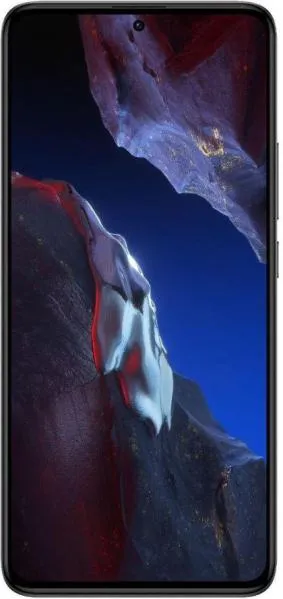
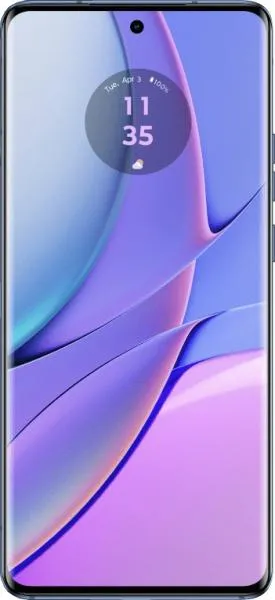
| Feature | Xiaomi Poco F5 Pro | Motorola Edge 40 | Practical Impact |
|---|---|---|---|
| Design | |||
| Dimensions (mm) | 162.8 x 75.4 x 8.6 | 158.4 x 72 x 7.6 | The Motorola Edge 40 is noticeably smaller and thinner, making it more pocketable and comfortable for one-handed use. |
| Weight (g) | 204 | 167 | The Motorola Edge 40 is significantly lighter, reducing hand fatigue during extended use. |
| Build | Missing | Missing | Build quality impacts durability and premium feel. This information is missing for both phones. |
| Display | |||
| Display Type | AMOLED | P-OLED | Both offer excellent contrast and vibrant colors. |
| Display Size (inches) | 6.67 | 6.55 | The Poco F5 Pro offers a slightly larger screen for more immersive media consumption. |
| Resolution | 1440 x 3200 | 1080 x 2400 | The Poco F5 Pro boasts a much sharper display (526 ppi vs 402 ppi), resulting in crisper text and images. |
| Refresh Rate (Hz) | 120 | 144 | The Motorola Edge 40's higher refresh rate provides smoother animations and scrolling, especially noticeable in gaming and fast-paced UI interactions. |
| Peak Brightness (nits) | 1400 | 1200 | The Poco F5 Pro can get slightly brighter, improving outdoor visibility. |
| Performance | |||
| Chipset | Snapdragon 8+ Gen 1 | Dimensity 8020 | The Snapdragon 8+ Gen 1 in the Poco F5 Pro offers significantly better performance, especially in demanding tasks like gaming and video editing. |
| CPU | Octa-core (1x3.0 GHz Cortex-X2 & 3x2.5 GHz Cortex-A710 & 4x1.80 GHz Cortex-A510) | Octa-core (4x2.6 GHz Cortex-A78 & 4x2.0 GHz Cortex-A55) | The Poco F5 Pro's CPU architecture is more powerful and efficient. |
| GPU | Adreno 730 | Mali-G77 MC9 | The Adreno 730 provides a superior gaming and graphics rendering experience compared to the Mali-G77 MC9. |
| RAM (GB) | 8/12 | 8 | The Poco F5 Pro offers a 12GB RAM option for enhanced multitasking and smoother performance with memory-intensive applications. |
| Camera | |||
| Main Camera (MP) | 64 | 50 | While megapixels aren't everything, the Poco F5 Pro's 64MP sensor potentially offers higher resolution images. Detailed sensor specifications are needed for a complete comparison. |
| Video Recording | Up to 8K@24fps | Up to 4K@30fps | The Poco F5 Pro supports higher resolution video recording. |
| Battery | |||
| Capacity (mAh) | 5160 | 4400 | The Poco F5 Pro has a significantly larger battery capacity, potentially translating to longer usage time. Real-world battery life depends on usage patterns. |
2. Key Differences Analysis
Xiaomi Poco F5 Pro Advantages:
- Significantly higher performance: The Snapdragon 8+ Gen 1 provides a substantial performance advantage for demanding tasks and gaming.
- Sharper display: Higher resolution and pixel density result in a crisper viewing experience.
- Larger battery: Potentially longer battery life.
- Higher resolution video recording: Up to 8K.
Motorola Edge 40 Advantages:
- More compact and lightweight design: Easier to handle and carry.
- Higher refresh rate display: Smoother scrolling and animations.
- Lower price: Offers a more budget-friendly option.
3. User Profiles & Recommendations
Xiaomi Poco F5 Pro: Ideal for users who prioritize performance, a sharp display, and long battery life. Power users, gamers, and content creators would benefit most.
Motorola Edge 40: Suitable for users who value a compact and lightweight design, smooth display, and affordability. Casual users who prioritize portability and everyday tasks will appreciate this phone.
4. Decision Framework
Key Questions for Buyers:
- What is your budget? The Motorola Edge 40 is significantly cheaper.
- What are your primary use cases? Gaming and demanding tasks favor the Poco F5 Pro, while casual use favors the Edge 40.
- Do you prioritize portability or screen size/resolution? The Edge 40 is more compact, while the Poco F5 Pro offers a larger, sharper display.
My Choice: Xiaomi Poco F5 Pro
While the Motorola Edge 40 offers a compelling combination of portability and affordability, I would choose the Xiaomi Poco F5 Pro. The significant performance advantage of the Snapdragon 8+ Gen 1, coupled with the sharper display and larger battery, outweighs the benefits of the Edge 40 for my personal needs. I prioritize a smooth and powerful user experience for demanding tasks and gaming, and I'm willing to compromise slightly on size and weight for that performance. The higher resolution screen is also a significant factor for media consumption. While the Edge 40's 144Hz refresh rate is appealing, the overall performance difference would be more noticeable in my daily usage.
