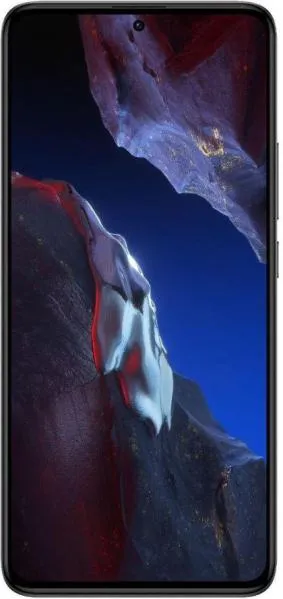

1. Specifications Comparison
| Feature | Xiaomi Poco F5 Pro | Huawei Pura 70 Ultra | Practical Impact |
|---|---|---|---|
| Design | |||
| Dimensions (mm) | 162.8 x 75.4 x 8.6 | 162.6 x 75.1 x 8.4 | Negligible size difference in hand. |
| Weight (g) | 204 | 226 | Poco F5 Pro noticeably lighter, reducing hand fatigue. |
| Build Materials | Not specified | Not specified | Cannot compare build quality and durability. |
| Display | |||
| Size (inches) | 6.67 | 6.8 | Pura 70 Ultra slightly larger; minimal difference in usability. |
| Resolution | 1440 x 3200 | 1260 x 2844 | Poco F5 Pro sharper due to higher pixel density (526 vs 460 ppi). Impacts clarity of text and images. |
| Type | AMOLED, 120Hz | LTPO OLED, 120Hz | Both offer smooth scrolling and animations. LTPO on Pura 70 Ultra allows for dynamic refresh rate adjustment, potentially saving battery. |
| Color Depth | 68B | 1B | Pura 70 Ultra capable of displaying more colors, resulting in smoother color gradients and more lifelike images. Discernible mainly by trained eyes in specific content. |
| Peak Brightness | 1400 nits | 2500 nits | Pura 70 Ultra significantly brighter, ensuring better visibility in direct sunlight. |
| Performance | |||
| Chipset | Snapdragon 8+ Gen 1 (4nm) | Kirin 9010 (7nm) | Snapdragon 8+ Gen 1 generally considered more powerful and power-efficient than Kirin 9010 based on its later release and node size. |
| CPU | Octa-core (1x3.0 GHz Cortex-X2 & 3x2.5 GHz Cortex-A710 & 4x1.80 GHz Cortex-A510) | Octa-core (1x2.3 GHz Taishan Big & 3x2.18 GHz Taishan Mid & 4x1.55 GHz Cortex-A510) | Poco F5 Pro likely faster in demanding tasks and multitasking. Specific benchmarks needed for definitive comparison. |
| GPU | Adreno 730 | Maleoon 910 | Adreno 730 generally provides better gaming performance than Mali GPUs. Requires real-world gaming comparisons for accurate assessment. |
| RAM | 8/12GB | 16GB | Pura 70 Ultra has more RAM, enabling smoother multitasking and better handling of large applications. 12GB on Poco F5 Pro is still ample for most users. |
| Storage | 256/512GB | 512GB/1TB | Pura 70 Ultra offers larger storage options for users with extensive media libraries. |
| Camera | |||
| Main Camera | 64MP, f/1.79 | 50MP, f/1.6 | Pura 70 Ultra likely better in low-light due to larger sensor (1") and wider aperture. Pixel binning on both improves light capture. |
| Ultrawide | 8MP, f/2.2 | 40MP, f/2.2 | Pura 70 Ultra's ultrawide offers significantly higher resolution, capturing more detail. |
| Telephoto | 2MP Macro | 50MP, f/2.1, 3.5x Optical Zoom | Pura 70 Ultra offers superior zoom capabilities with a dedicated telephoto lens, while Poco F5 Pro only has a low-resolution macro lens. |
| Video | Up to 8K@24fps | Unspecified | Poco F5 Pro's video capabilities are clearly defined, while Pura 70 Ultra's are missing. |
| Battery | |||
| Capacity | 5160 mAh | 5200 mAh | Negligible difference in battery capacity. Real-world battery life depends on numerous factors including software and usage patterns. |
| Charging Speed | Not specified | Not specified | Cannot compare charging speeds. |
2. Key Differences Analysis
Xiaomi Poco F5 Pro Advantages:
- Sharper Display: Higher pixel density for clearer visuals.
- Potentially Faster Performance: More powerful and efficient chipset (based on available data).
- Lighter Weight: More comfortable for extended use.
- Lower Price: Offers better value for performance.
Huawei Pura 70 Ultra Advantages:
- Brighter Display: Excellent outdoor visibility.
- Wider Color Gamut: More vibrant and accurate colors.
- Larger RAM and Storage: Better for multitasking and large files.
- Superior Camera System: Larger main sensor, higher-resolution ultrawide, and dedicated telephoto lens with optical zoom.
- LTPO Display: More power efficient.
3. User Profiles & Recommendations
Xiaomi Poco F5 Pro:
- Ideal User: Budget-conscious users seeking excellent performance and a sharp display.
- Use Cases: Gaming, media consumption, general productivity.
Huawei Pura 70 Ultra:
- Ideal User: Users prioritizing camera quality, a bright and vibrant display, and ample storage. Professionals who need powerful hardware.
- Use Cases: Photography, videography, content creation, demanding productivity tasks.
4. Decision Framework
Key Questions for Buyers:
- What is your budget? The Poco F5 Pro offers excellent value in the mid-range segment, while the Pura 70 Ultra is a premium device.
- What are your primary use cases? Gamers and power users might prefer the Poco F5 Pro, while photographers and content creators would lean towards the Pura 70 Ultra.
- Which features are most important to you? Prioritize display quality, camera capabilities, performance, or battery life based on your needs.
My Choice: Xiaomi Poco F5 Pro
While the Huawei Pura 70 Ultra boasts a superior camera system and brighter display, the Xiaomi Poco F5 Pro offers a compelling combination of performance, display sharpness, and a significantly lower price. The Snapdragon 8+ Gen 1 is a proven performer, and 12GB of RAM is sufficient for most users. The slightly smaller battery is likely offset by the more efficient chipset. The lack of detailed camera and video specs for the Huawei makes it difficult to quantify the difference, but the price difference is substantial enough to sway me toward the Poco F5 Pro, especially considering its strong performance in other areas. Unless photography is my absolute priority, the Poco F5 Pro presents a more compelling value proposition. The lack of OS information for the Huawei is also concerning.
