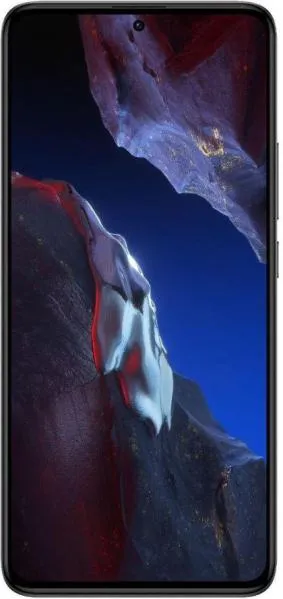
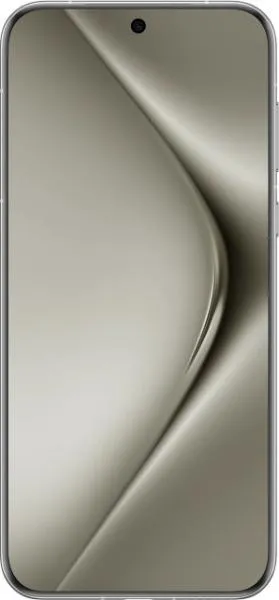
1. Specifications Comparison
| Feature | Xiaomi Poco F5 Pro | Huawei Pura 70 Pro | Practical Impact |
|---|---|---|---|
| Design | |||
| Dimensions (mm) | 162.8 x 75.4 x 8.6 | 162.6 x 75.1 x 8.4 | Virtually identical in size and feel. |
| Weight (g) | 204 | 220 | Poco F5 Pro is noticeably lighter, improving one-handed use. |
| Display | |||
| Size (inches) | 6.67 | 6.8 | Huawei has a slightly larger screen, offering more immersive content consumption. |
| Resolution | 1440 x 3200 | 1260 x 2844 | Poco F5 Pro boasts a significantly sharper display (526 ppi vs 460 ppi), resulting in crisper text and images. |
| Type | AMOLED, 120Hz | LTPO OLED, 120Hz | Both offer smooth scrolling and animations thanks to 120Hz. LTPO on the Huawei allows for dynamic refresh rate adjustment, potentially saving battery. Huawei's claimed 2500 nits peak brightness surpasses the Poco's 1400 nits, ensuring superior outdoor visibility. |
| Color Depth | 68B | 1B | Huawei offers a wider color gamut, potentially displaying more vibrant and accurate colors. |
| Performance | |||
| Chipset | Snapdragon 8+ Gen 1 (4nm) | Kirin 9010 (7nm) | Snapdragon 8+ Gen 1 is generally considered a more powerful and efficient chip than the older Kirin 9010, leading to better performance and battery life in most scenarios. |
| CPU | Octa-core (1x3.0 GHz Cortex-X2 & 3x2.5 GHz Cortex-A710 & 4x1.80 GHz Cortex-A510) | Octa-core (specs incomplete) | Poco provides more detailed CPU information. The higher clock speeds on the Cortex-X2 core suggest superior peak performance for demanding tasks. |
| GPU | Adreno 730 | Mali-G78 | Adreno 730 generally provides stronger gaming performance compared to Mali-G78. |
| RAM | 8/12GB | 12GB | Both offer ample RAM for multitasking, although specific configurations vary. |
| Camera | |||
| Main Camera | 64MP, f/1.79 | 50MP, f/1.4 | Huawei's wider aperture (f/1.4) allows for better low-light performance and more pronounced background blur (bokeh). |
| Ultrawide | 8MP, f/2.2 | 12.5MP, f/2.2 | Huawei has a higher resolution ultrawide camera. |
| Telephoto | None | 48MP, f/2.1, 3.5x Optical Zoom | Huawei offers a dedicated telephoto lens for optical zoom, a clear advantage for capturing distant subjects. |
| Video | Up to 8K@24fps | Unspecified | Poco's detailed video capabilities indicate strong video recording features. Missing information for Huawei limits comparison. |
| Battery | |||
| Capacity | 5160 mAh | 5050 mAh | Marginally larger battery in the Poco, but real-world battery life depends on optimization and usage patterns. |
| Charging Speed | Unspecified | Unspecified | Missing information prevents comparison. |
2. Key Differences Analysis
Xiaomi Poco F5 Pro Advantages:
- Sharper Display: Significantly higher pixel density leads to a crisper viewing experience.
- Generally More Powerful Chipset: Snapdragon 8+ Gen 1 offers better performance and efficiency.
- Lighter Weight: Noticeably more comfortable for extended use and one-handed operation.
- Detailed Video Capabilities: Comprehensive video specs suggest a strong focus on video recording.
Huawei Pura 70 Pro Advantages:
- Brighter Display: Much higher peak brightness ensures excellent outdoor visibility.
- Wider Color Gamut: Potential for more vibrant and accurate color reproduction.
- Versatile Camera System: Inclusion of a telephoto lens with optical zoom greatly expands photographic capabilities.
- Wider Aperture Main Camera: Superior low-light photography and bokeh.
- LTPO Display: More power efficient.
3. User Profiles & Recommendations
Xiaomi Poco F5 Pro: Ideal for users prioritizing performance, a sharp display, and value for money. Suitable for gaming, media consumption, and general use.
Huawei Pura 70 Pro: Best suited for users who value camera versatility, a bright and vibrant display, and are willing to potentially compromise on raw performance for specific features like the telephoto lens. Ideal for photography enthusiasts, outdoor use, and content creators.
4. Decision Framework
Key Questions for Buyers:
- What is your budget and how important is value for money? The Poco F5 Pro generally offers more performance per dollar.
- What are your primary use cases? Gamers and performance enthusiasts might prefer the Poco, while photography enthusiasts would lean towards the Huawei.
- Which display characteristics matter most? Sharpness and resolution vs. brightness and color vibrancy.
My Choice: Xiaomi Poco F5 Pro
While the Huawei Pura 70 Pro offers a compelling camera system and a stunning display for outdoor use, the Xiaomi Poco F5 Pro is my choice. The superior performance of the Snapdragon 8+ Gen 1, combined with the sharper display and lighter weight, creates a more well-rounded device for my daily needs. I prioritize smooth performance and a crisp viewing experience, and the Poco F5 Pro delivers on those fronts while offering excellent value. The lack of a telephoto lens is a trade-off, but the overall performance and user experience advantages of the Poco outweigh this for me personally. The missing information regarding the Huawei's video capabilities and charging speeds also contributes to this decision. Finally, the potentially higher price of the Huawei makes the Poco a more attractive option.
