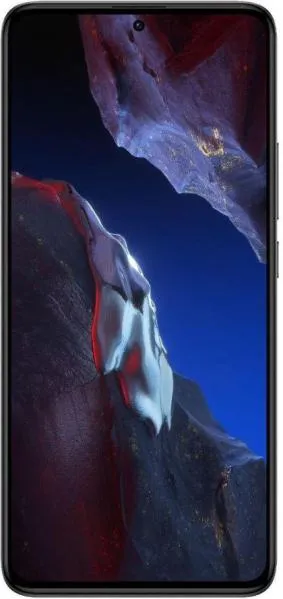

1. Specifications Comparison
| Feature | Xiaomi Poco F5 Pro | Huawei Pura 70 | Practical Impact |
|---|---|---|---|
| Design | |||
| Dimensions (mm) | 162.8 x 75.4 x 8.6 | 157.6 x 74.3 x 8 | Poco F5 Pro is slightly taller and wider. Huawei Pura 70 might feel slightly more compact in hand. |
| Weight (g) | 204 | 207 | Negligible weight difference; both feel substantial in hand. |
| Display | |||
| Size (inches) | 6.67 | 6.6 | Poco F5 Pro has a marginally larger display. |
| Resolution | 1440 x 3200 | 1256 x 2760 | Poco F5 Pro offers significantly sharper visuals due to higher resolution (WQHD+ vs. ~FHD+). Impacts clarity of text, images, and videos. |
| Panel Type | AMOLED | LTPO OLED | Both offer excellent contrast and vibrant colors. Huawei's LTPO panel allows for dynamic refresh rate adjustment, potentially saving battery. |
| Refresh Rate (Hz) | 120 | 120 | Both offer smooth scrolling and animations. |
| Peak Brightness (nits) | 1400 | 2500 | Huawei Pura 70 boasts significantly higher peak brightness, ensuring better visibility in direct sunlight. |
| Color Depth | 68B | 1B | Huawei Pura 70 supports a wider color gamut, potentially offering more nuanced color reproduction for professionals. However, the discernable difference for average users is debatable. |
| Performance | |||
| Chipset | Snapdragon 8+ Gen 1 | Kirin 9000S1 | Both are high-performance chipsets, but direct comparison is difficult without benchmark scores. Snapdragon 8+ Gen 1 generally has a proven track record for performance and efficiency. |
| CPU | Octa-core (details provided) | Octa-core (details lacking) | Detailed CPU information lacking for Huawei makes precise performance comparison impossible. |
| GPU | Adreno 730 | Maleoon 910 | Adreno 730 is a well-established GPU with known performance capabilities. Performance of Maleoon 910 is less certain without benchmarks. |
| RAM (GB) | 8/12 | 12 | Huawei offers more RAM in its base configuration, potentially benefiting multitasking and demanding applications. |
| Camera | |||
| Main Camera (MP) | 64 | 50 | Poco F5 Pro boasts a higher resolution main sensor. However, megapixels alone don't determine image quality. Sensor size and aperture are equally crucial. |
| Ultrawide (MP) | 8 | 13 | Huawei offers a higher resolution ultrawide lens. |
| Telephoto (MP) | N/A | 12 | Huawei Pura 70 includes a dedicated telephoto lens for optical zoom, absent in the Poco F5 Pro. |
| Selfie (MP) | 16 | 13 | Poco F5 Pro has a higher resolution front-facing camera. |
| Battery | |||
| Capacity (mAh) | 5160 | 4900 | Poco F5 Pro has a slightly larger battery capacity, potentially offering longer usage time. Real-world battery life depends on various factors. |
| Charging Speed | Not specified | Not specified | Charging speed comparison is impossible without specific details. |
2. Key Differences Analysis
Xiaomi Poco F5 Pro Advantages:
- Sharper Display: Higher resolution offers a noticeable improvement in clarity.
- Larger Battery: Potentially longer battery life.
- Established Chipset: Snapdragon 8+ Gen 1 performance is well documented.
Huawei Pura 70 Advantages:
- Brighter Display: Superior outdoor visibility.
- Wider Color Gamut: Potentially more accurate colors (though noticeable difference might be minimal for average users).
- Dedicated Telephoto Lens: Optical zoom capability for better image quality at a distance.
- More RAM in base model: Better multitasking performance
3. User Profiles & Recommendations
Xiaomi Poco F5 Pro: Suitable for users prioritizing display sharpness, battery life, and a proven performance track record. Ideal for media consumption, gaming, and general use.
Huawei Pura 70: Best suited for users who need excellent outdoor visibility, value a dedicated telephoto lens for zoom photography, and require strong multitasking capabilities. Ideal for photographers, content creators, and users who frequently use their phone in bright sunlight.
4. Decision Framework
Key Questions for Buyers:
- How important is display sharpness and resolution?
- Do you frequently use your phone outdoors in bright sunlight?
- Do you need optical zoom capabilities for photography?
Scenario-Based Recommendations:
- Prioritize media consumption and battery life: Xiaomi Poco F5 Pro.
- Prioritize photography and outdoor use: Huawei Pura 70.
My Choice: Xiaomi Poco F5 Pro
While the Huawei Pura 70 boasts a brighter display and a dedicated telephoto lens, the Xiaomi Poco F5 Pro edges out due to its sharper display and larger battery. The Snapdragon 8+ Gen 1 also has a more established performance track record compared to the less familiar Kirin 9000S1. For my personal use, which heavily involves media consumption and values battery life, the Poco F5 Pro's advantages are more compelling. The significantly higher resolution screen is a major deciding factor for me. Although the Huawei's brighter screen and telephoto are appealing, they don't outweigh the benefits of the Poco F5 Pro for my personal needs. Finally, the lack of detailed specifications regarding the Kirin processor makes it difficult to confidently assess its performance compared to the known quantity of the Snapdragon 8+ Gen 1.
