1. Specifications Comparison
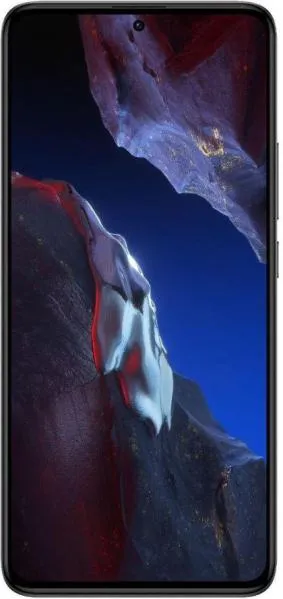
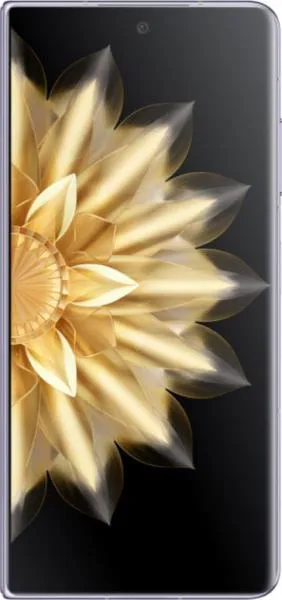
| Feature | Xiaomi Poco F5 Pro | Honor Magic V3 | Practical Impact |
|---|---|---|---|
| Design | |||
| Dimensions (mm) | 162.8 x 75.4 x 8.6 | 156.6 x 145.3 x 4.35 (folded) | Poco F5 Pro is a traditional slab phone, while Magic V3 is a foldable, significantly thinner when folded but wider when unfolded. Magic V3 offers a larger screen real estate but with added bulk and weight. |
| Weight (g) | 204 | 226 | Poco F5 Pro is noticeably lighter, making it more comfortable for one-handed use and extended periods. |
| Foldable | No | Yes | The Magic V3's foldable design allows for a larger screen in a pocketable device, but introduces a potential point of failure with the hinge. |
| Display | |||
| Display Size (inches) | 6.67 | 7.92 (unfolded), ~6.43" (cover screen - derived from resolution) | Magic V3 offers a significantly larger main display for multitasking and media consumption when unfolded. |
| Display Type | AMOLED | Foldable LTPO AMOLED | Both offer excellent color accuracy and deep blacks. LTPO on the Magic V3 (if true, as technology field is blank) could potentially lead to better battery life due to variable refresh rate. |
| Refresh Rate (Hz) | 120 | 120 | Both displays offer smooth scrolling and animations. |
| Peak Brightness (nits) | 1400 | 1800 | Magic V3 can get brighter, improving outdoor visibility. |
| Resolution | 1440 x 3200 | 2156 x 2344 (unfolded), 1060 x 2376 (cover screen) | Both have sharp displays. Magic V3's unfolded screen provides more overall pixels, but the Poco F5 Pro has a higher pixel density (PPI) resulting in slightly sharper images on the main screen. |
| Performance | |||
| Chipset | Snapdragon 8+ Gen 1 | Snapdragon 8 Gen 3 | Magic V3 has a newer and more powerful processor, leading to better performance in demanding tasks and potentially improved power efficiency. |
| CPU | Octa-core (up to 3.0 GHz) | Octa-core (up to 3.3 GHz) | Magic V3 has a faster CPU, resulting in quicker app loading and smoother multitasking. |
| GPU | Adreno 730 | Adreno 750 | Magic V3 has a more powerful GPU, beneficial for gaming and other graphically intensive tasks. |
| RAM | 8/12GB | 12/16GB | Magic V3 offers configurations with more RAM, improving multitasking performance and preventing apps from being closed in the background. |
| Camera | |||
| Main Camera (MP) | 64 | 50 | While the Poco F5 Pro has a higher megapixel count, sensor size and other factors (not fully specified here) play a significant role in image quality. We cannot definitively say which camera is better. |
| Video Capabilities | Up to 8K@24fps | Up to 4K@60fps | Poco F5 Pro offers higher resolution video recording (8K), but the practical benefit is limited by factors like storage space and playback devices. |
| Battery | |||
| Capacity (mAh) | 5160 | 5150 | Negligible difference in battery capacity. Real-world battery life depends on various factors including display usage, processor efficiency, and software optimization. |
| USB Type | USB Type-C 2.0 | USB Type-C 3.1 | Magic V3 has a faster USB standard for quicker data transfer and potentially faster charging (dependent on charger implementation). |
| Price | Medium | High | Magic V3 is significantly more expensive due to its foldable display technology and newer hardware. |
2. Key Differences Analysis
Xiaomi Poco F5 Pro Advantages:
- Lower Price: Significantly more affordable.
- Lighter and more pocketable: Easier to handle and carry.
- Higher resolution main display: Sharper image quality.
- 8K video recording: Offers higher resolution video recording (although practical benefits may be limited).
Honor Magic V3 Advantages:
- Foldable Design: Larger screen real estate for multitasking and media consumption.
- More Powerful Performance: Newer chipset and more RAM for smoother and faster operation.
- Brighter Display: Better outdoor visibility.
- Faster USB Standard: Quicker data transfer and potential for faster charging.
3. User Profiles & Recommendations
Xiaomi Poco F5 Pro: Users seeking a powerful, affordable smartphone with a great display for everyday tasks, gaming, and media consumption. Ideal for budget-conscious users who prioritize performance and value.
Honor Magic V3: Users who value a large screen experience and cutting-edge technology. Ideal for those who prioritize multitasking, productivity, and portability of a large screen. Suitable for users with a higher budget who are willing to pay a premium for the foldable form factor.
4. Decision Framework
Key Questions for Buyers:
- What is your budget? The Poco F5 Pro offers excellent value for its price, while the Magic V3 commands a significant premium.
- How important is portability and one-handed usability? The Poco F5 Pro is lighter and easier to handle, while the Magic V3 is bulkier due to its foldable design.
- Do you prioritize a large screen for multitasking and media consumption or a more traditional smartphone experience? The Magic V3's foldable screen provides a tablet-like experience, while the Poco F5 Pro offers a standard smartphone form factor.
My Choice: Xiaomi Poco F5 Pro
While the Honor Magic V3 boasts impressive specifications and the innovative foldable design, the Xiaomi Poco F5 Pro is the better choice for me. I prioritize value and practicality. The Poco F5 Pro offers excellent performance, a beautiful high-resolution display, and long battery life at a significantly lower price point. The weight and portability are also crucial factors for me, and the Poco F5 Pro wins in this department. I am not yet convinced that the benefits of a foldable screen outweigh the added cost, bulk, and potential durability concerns. The Poco F5 Pro strikes a great balance between performance, features, and price, making it the more compelling option for my needs. I also appreciate the slightly sharper main screen for everyday use. Finally, the price difference is substantial, and the Poco F5 Pro provides exceptional value in its price range.
