1. Specifications Comparison
| Feature | Xiaomi Poco F5 Pro | Honor Magic V2 | Practical Impact |
|---|---|---|---|
| Design | |||
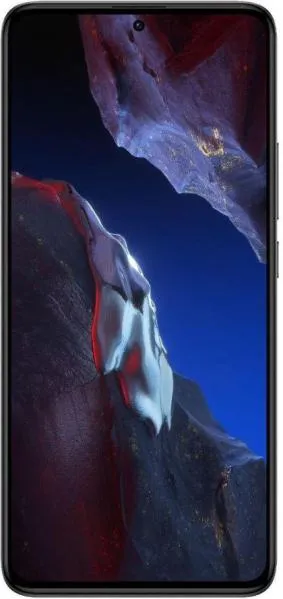
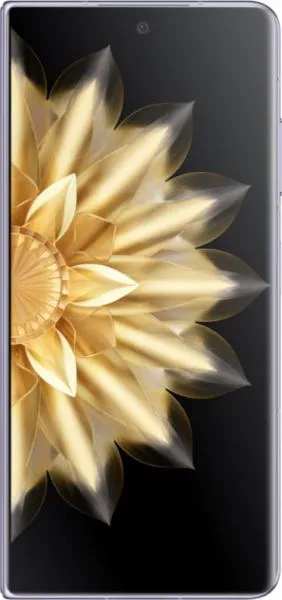
| Dimensions (mm) | 162.8 x 75.4 x 8.6 | 156.7 x 145.4 x 4.7 | Magic V2 significantly thinner when folded, but wider when unfolded due to its foldable nature. Poco F5 Pro is a more traditional candybar form factor. |
| Weight (g) | 204 | 231 | Magic V2 is noticeably heavier due to its folding mechanism and larger display. |
| Foldable | No | Yes | Magic V2 offers a larger screen real estate in a pocketable size due to its foldable design. Poco F5 Pro is more pocketable in its standard form. |
| Display | |||
| Display Size (inches) | 6.67 | 7.92 (unfolded), ~6.43" (folded - external display specs unclear) | Magic V2 provides a significantly larger main display for multitasking and media consumption when unfolded. The size of the external display when folded is unclear, impacting usability in the folded state. |
| Resolution (px) | 1440 x 3200 | 2156 x 2344 (unfolded), 1060 x 2576 (external) | Both offer sharp displays, but the Magic V2's unfolded screen provides more overall pixel real estate. |
| Refresh Rate (Hz) | 120 | 120 | Both offer smooth scrolling and animations. |
| Display Type | AMOLED | LTPO OLED | Both offer vibrant colors and deep blacks. LTPO on the Magic V2 potentially allows for more granular refresh rate control, leading to better battery efficiency. |
| Peak Brightness (nits) | 1400 | 1600 | Magic V2 offers slightly higher peak brightness, potentially improving outdoor visibility. |
| Performance | |||
| Chipset | Snapdragon 8+ Gen 1 | Snapdragon 8 Gen 2 | Magic V2 boasts a newer, more powerful and efficient chipset, resulting in faster performance and potentially better battery life. |
| CPU | Octa-core (1x3.0 GHz Cortex-X2 & 3x2.5 GHz Cortex-A710 & 4x1.80 GHz Cortex-A510) | Octa-core (up to 3.36 GHz Cortex-X3) | Magic V2 has a more powerful CPU architecture, leading to better performance in demanding tasks. |
| GPU | Adreno 730 | Adreno 740 | Magic V2 has a more powerful GPU, resulting in smoother gaming and graphics performance. |
| RAM | 8/12GB | 16GB | Magic V2 offers significantly more RAM, allowing for better multitasking and smoother performance with many apps open. |
| Camera | |||
| Main Camera (MP) | 64 | 50 | While megapixel count isn't everything, the Poco F5 Pro has a higher resolution main sensor. More details about the Magic V2's sensor are needed for accurate comparison. |
| Video Recording | Up to 8K@24fps | Up to 4K@60fps | Poco F5 Pro offers higher resolution video recording, but Magic V2 might offer better video quality due to its superior processing capabilities and potentially better sensor. |
| Battery | |||
| Capacity (mAh) | 5160 | 5000 | Similar battery capacities, though real-world battery life will depend on usage and software optimization. |
| Charging Speed | Not specified | Not specified | Insufficient information to compare charging speeds. |
2. Key Differences Analysis
Xiaomi Poco F5 Pro Advantages:
- Lower Price: Positioned in the "medium price" range, offering excellent value for its specifications.
- Higher Resolution Main Camera: Offers a 64MP main sensor compared to the Magic V2's 50MP.
- 8K Video Recording: Capable of recording higher resolution video.
- Lighter and More Pocketable (in its standard form): More comfortable for one-handed use and carrying in pockets.
Honor Magic V2 Advantages:
- Foldable Design: Offers a larger screen in a compact form factor, providing versatility for productivity and media consumption.
- More Powerful Performance: Features the newer Snapdragon 8 Gen 2 chipset, a more powerful CPU and GPU, and more RAM.
- Potentially Better Battery Efficiency: LTPO display and more efficient chipset could contribute to longer battery life.
- Higher Peak Brightness: Offers potentially better outdoor visibility.
Trade-offs:
- Price: The Magic V2's premium features come at a significantly higher price.
- Weight and Size: The foldable design of the Magic V2 makes it heavier and less pocketable when unfolded.
- Durability: Foldable phones generally have more complex moving parts and may be more susceptible to damage.
3. User Profiles & Recommendations
Xiaomi Poco F5 Pro: Ideal for users seeking a powerful and affordable smartphone with a great display and camera without the premium price tag or complexities of a foldable. Excellent for:
- Budget-conscious power users: Gamers, content consumers who prioritize performance.
- Photography enthusiasts: Users who frequently capture photos and videos.
Honor Magic V2: Ideal for users who prioritize a large screen experience for productivity and media consumption and are willing to pay a premium for the innovative foldable design. Excellent for:
- Multitaskers: Professionals or users who frequently work with multiple apps simultaneously.
- Content creators: Users who edit photos and videos or consume media on the go.
- Early adopters: Users who value cutting-edge technology and innovative design.
4. Decision Framework
Key Questions for Buyers:
- Budget: Are you willing to pay a significant premium for the foldable design and advanced features of the Honor Magic V2?
- Screen Size and Portability: Do you prioritize a large screen for productivity and media consumption, or is a more pocketable traditional form factor more important?
- Performance Needs: Do you require the absolute best performance for demanding tasks and gaming, or is a slightly less powerful but still capable device sufficient?
Scenario-Based Recommendations:
- Limited Budget, Performance Focus: Xiaomi Poco F5 Pro
- Large Screen Enthusiast, Premium Budget: Honor Magic V2
- Balanced Needs, Value Seeker: Xiaomi Poco F5 Pro
My Choice: Xiaomi Poco F5 Pro
While the Honor Magic V2 is undoubtedly innovative and powerful, the Xiaomi Poco F5 Pro offers exceptional value for its price. I prioritize a balance of performance, camera quality, and affordability, and the Poco F5 Pro excels in these areas. I'm not yet convinced that the benefits of a foldable screen outweigh the added cost, weight, and potential durability concerns for my personal usage. The Poco F5 Pro's powerful Snapdragon 8+ Gen 1, excellent display, and strong camera system make it a compelling choice for a power user without breaking the bank. The 8K video recording is a bonus for capturing high-resolution memories. While the Magic V2 offers a superior chipset and more RAM, the performance difference might not be noticeable for my everyday usage. I value the lighter weight and more pocketable design of the Poco F5 Pro for daily carry.
