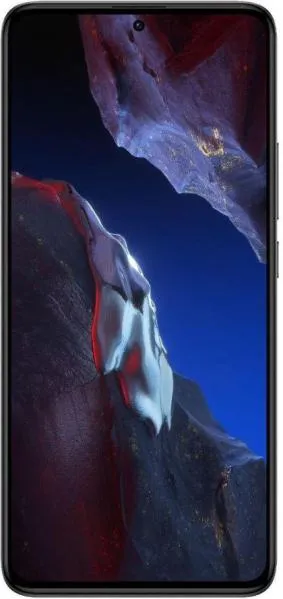

1. Specifications Comparison
| Feature | Xiaomi Poco F5 Pro | Honor 200 | Practical Impact |
|---|---|---|---|
| Design | |||
| Dimensions (mm) | 162.8 x 75.4 x 8.6 | 161.5 x 74.6 x 7.7 | Honor 200 is slightly smaller and thinner, potentially improving one-handed use. |
| Weight (g) | 204 | 187 | Honor 200 is noticeably lighter, reducing fatigue during extended use. |
| Display | |||
| Display Type | AMOLED | OLED | Both offer excellent contrast and vibrant colors, but AMOLED generally consumes less power for dark content. |
| Size (inches) | 6.67 | 6.7 | Negligible size difference. |
| Resolution | 1440 x 3200 | 1200 x 2664 | Poco F5 Pro has a significantly sharper display (526 ppi vs 436 ppi), resulting in crisper text and images. |
| Refresh Rate (Hz) | 120 | 120 | Both offer smooth scrolling and animations. |
| Peak Brightness (nits) | 1400 | 4000 | Honor 200 boasts much higher peak brightness, ensuring better visibility in direct sunlight. |
| Color Depth | 68B | 1B | Honor 200 supports a wider color gamut, potentially offering more nuanced color reproduction. However, the discernible difference in real-world usage might be minimal for most users. |
| Performance | |||
| Chipset | Snapdragon 8+ Gen 1 | Snapdragon 7 Gen 3 | Poco F5 Pro features a flagship-level processor, providing significantly better performance for demanding tasks and gaming. |
| CPU | Octa-core (1x3.0 GHz Cortex-X2 & 3x2.5 GHz Cortex-A710 & 4x1.80 GHz Cortex-A510) | Octa-core (1x2.63 GHz Cortex-A715 & 4x2.4 GHz Cortex-A715 & 3x1.8 GHz Cortex-A510) | Poco F5 Pro's CPU architecture and higher clock speeds translate to faster app launches, smoother multitasking, and improved responsiveness. |
| GPU | Adreno 730 | Adreno 720 | Poco F5 Pro's superior GPU ensures smoother gaming and faster graphics rendering. |
| RAM (GB) | 8/12 | 8/12/16 | Both offer ample RAM for multitasking. The 16GB option on the Honor 200 provides additional future-proofing. |
| Camera | |||
| Main Camera (MP) | 64 | 50 | Megapixel count doesn't solely determine image quality. Sensor size and processing play a crucial role. |
| Video Recording | Up to 8K@24fps | Up to 4K@30fps | Poco F5 Pro offers higher resolution video recording. |
| Battery | |||
| Capacity (mAh) | 5160 | 5200 | Honor 200 has a slightly larger battery, but real-world battery life depends on various factors including software optimization and display usage. |
2. Key Differences Analysis
Xiaomi Poco F5 Pro Advantages:
- Significantly higher performance: The Snapdragon 8+ Gen 1 offers a substantial performance advantage for demanding tasks and gaming.
- Sharper display: The higher resolution display provides a noticeably crisper viewing experience.
- Higher resolution video recording: Offers up to 8K recording.
Honor 200 Advantages:
- Lighter and thinner design: Enhances portability and one-handed usability.
- Brighter display: Ensures excellent outdoor visibility.
- Wider color gamut: Potentially offers more nuanced color reproduction (although real-world difference may be subtle).
- Slightly larger battery: Might translate to slightly longer battery life.
3. User Profiles & Recommendations
Xiaomi Poco F5 Pro: Ideal for users who prioritize performance, a sharp display, and high-resolution video recording. Suitable for gamers, power users, and content creators.
Honor 200: Suitable for users who value a lightweight and slim design, excellent outdoor visibility, and a long-lasting battery. Best for everyday users, social media enthusiasts, and those who consume media on their phones.
4. Decision Framework
Key Questions for Buyers:
- What is your budget? Both phones fall in the medium price range, but specific configurations may vary.
- What are your primary use cases? Gaming, content creation, or everyday tasks?
- Which features are most important to you? Performance, display quality, battery life, or design?
My Choice: Xiaomi Poco F5 Pro
While the Honor 200 offers a compelling combination of design and display features, the Xiaomi Poco F5 Pro's significant performance advantage is the deciding factor for me. The Snapdragon 8+ Gen 1 provides a substantial boost in speed and responsiveness that would greatly enhance my daily usage, especially for multitasking and gaming. The sharper display is also a significant plus. While I appreciate the lighter weight and brighter display of the Honor 200, I prioritize the raw power and superior visual clarity offered by the Poco F5 Pro. The slightly smaller battery of the Poco F5 Pro is a minor trade-off I'm willing to make for the significant performance gains.
