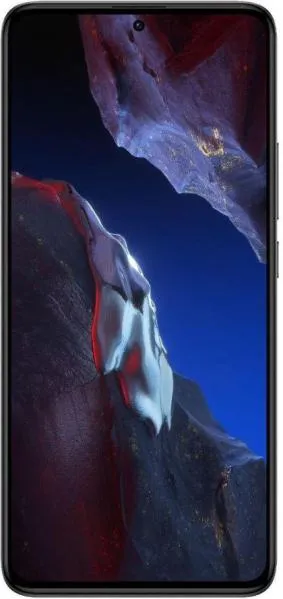
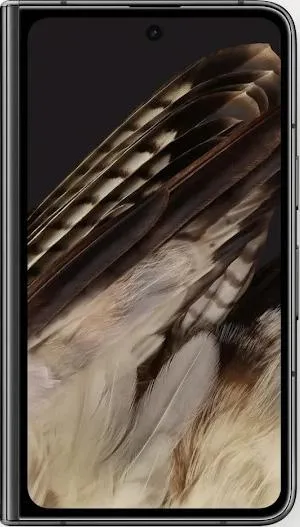
1. Specifications Comparison
| Feature | Xiaomi Poco F5 Pro | Google Pixel Fold | Practical Impact |
|---|---|---|---|
| Design | |||
| Dimensions (mm) | 162.8 x 75.4 x 8.6 | 139.7 x 158.7 x 5.8 | Pixel Fold significantly wider when unfolded, but much more compact when folded. Poco F5 Pro is thinner and lighter overall. |
| Weight (g) | 204 | 283 | Poco F5 Pro noticeably lighter for one-handed use. Pixel Fold's weight is understandable given its foldable design. |
| Foldable | No | Yes | Pixel Fold offers a larger screen in a pocketable size and unique software features leveraging the folding capability. |
| Display | |||
| Display Type | AMOLED | Foldable OLED | Pixel Fold's folding display introduces a crease but allows for a larger screen in a compact device; Poco F5 Pro's AMOLED offers vibrant colors and deep blacks. |
| Size (inches) | 6.67 | 7.6 (unfolded), 5.8 (folded) | Pixel Fold provides a significantly larger main display for multitasking and media consumption, but a smaller external display for quick interactions. |
| Resolution (px) | 1440 x 3200 | 1840 x 2208 (unfolded), 1080 x 2092 (folded) | Both offer sharp displays, but Poco F5 Pro has a higher pixel density (526 ppi vs 378 ppi unfolded) resulting in slightly crisper visuals. Folded Pixel has a higher ppi than unfolded. |
| Refresh Rate (Hz) | 120 | 120 | Both offer smooth scrolling and animations. |
| Performance | |||
| Chipset | Snapdragon 8+ Gen 1 | Google Tensor G2 | Snapdragon 8+ Gen 1 generally benchmarks higher in raw performance, potentially offering better gaming performance. Tensor G2 excels in AI and machine learning tasks. |
| CPU | Octa-core (1x3.0 GHz Cortex-X2 & 3x2.5 GHz Cortex-A710 & 4x1.80 GHz Cortex-A510) | Octa-core (2x2.85 GHz Cortex-X1 & 2x2.35 GHz Cortex-A78 & 4x1.80 GHz Cortex-A55) | Both offer excellent performance, but the architectural differences might give the Poco F5 Pro a slight edge in demanding tasks. |
| RAM (GB) | 8/12 | 12 | Pixel Fold offers more RAM, enabling better multitasking and app retention. |
| Camera | |||
| Main Camera (MP) | 64 | 48 | Poco F5 Pro has a higher resolution main sensor. Image quality depends on various factors beyond resolution, including processing. Missing sensor model for Pixel Fold hinders detailed comparison. |
| Video Capabilities | Up to 8K@24fps | Up to 4K@60fps | Poco F5 Pro offers higher resolution video recording, but Pixel Fold's Tensor G2 might offer superior video processing and features. |
| Battery | |||
| Capacity (mAh) | 5160 | 4821 | Poco F5 Pro has a larger battery capacity, potentially offering longer battery life. Real-world usage varies depending on individual usage patterns. |
2. Key Differences Analysis
Xiaomi Poco F5 Pro Advantages:
- Higher resolution main camera: Potentially more detailed photos.
- Larger battery capacity: Potentially longer battery life.
- Generally higher benchmark scores: Smoother performance in demanding tasks and games.
- Lower price: Offers excellent value for its specifications.
- Lighter and thinner: Easier for one-handed use and portability.
Google Pixel Fold Advantages:
- Foldable design: Offers a large screen in a compact form factor and unique software experiences.
- More RAM: Better multitasking capabilities and app retention.
- Tensor G2 chip: Superior AI and machine learning processing, potentially leading to better photos, voice recognition, and other AI-driven features.
- Clean Android experience with faster updates: Ensures a smooth and up-to-date software experience.
Trade-offs:
- Pixel Fold: Significantly more expensive, heavier, thicker (when unfolded), crease in the folding display.
- Poco F5 Pro: Lacks the foldable form factor and innovative software features of the Pixel Fold. Potentially less optimized camera processing compared to Pixel.
3. User Profiles & Recommendations
Xiaomi Poco F5 Pro: Users seeking a powerful, affordable smartphone with a great display and long battery life. Ideal for gamers, power users, and budget-conscious consumers.
Google Pixel Fold: Users seeking a cutting-edge, innovative smartphone with a large foldable display and unique software features. Ideal for early adopters, multitaskers, and those who value portability and a large screen.
4. Decision Framework
Key Questions:
- Is a foldable design a priority? If yes, the Pixel Fold is the only option.
- What is your budget? The Poco F5 Pro offers significantly better value in terms of raw specifications per dollar.
- What are your primary use cases? Gaming and demanding tasks might favor the Poco F5 Pro; multitasking, media consumption, and unique software experiences favor the Pixel Fold.
My Choice: Xiaomi Poco F5 Pro
While the Pixel Fold is incredibly innovative, the Xiaomi Poco F5 Pro offers a more compelling package for my needs. I prioritize performance, battery life, and value. The Poco F5 Pro excels in these areas while still providing a great display and a capable camera. The price difference is substantial, and the foldable form factor, while interesting, isn't essential for my usage. The lighter weight and thinner profile of the Poco F5 Pro are also significant advantages for daily use. I acknowledge that the Pixel Fold offers a unique user experience, but the Poco F5 Pro better suits my priorities and budget.
