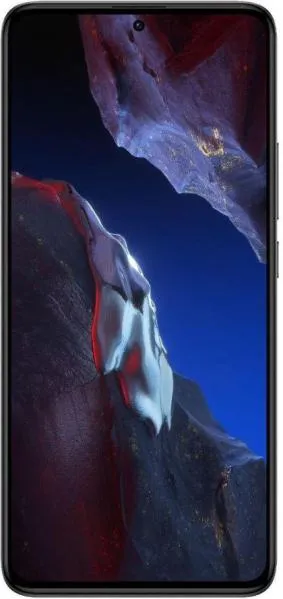

1. Specifications Comparison
| Feature | Xiaomi Poco F5 Pro | Google Pixel 9 | Practical Impact |
|---|---|---|---|
| Design | |||
| Dimensions (mm) | 162.8 x 75.4 x 8.6 | 152.8 x 72.0 x 8.5 | Pixel 9 is noticeably smaller and might be more comfortable for one-handed use. |
| Weight (g) | 204 | 198 | Negligible weight difference in real-world usage. |
| Display | |||
| Size (inches) | 6.67 | 6.3 | Poco F5 Pro offers a larger screen for more immersive media consumption. |
| Resolution | 1440 x 3200 | 1080 x 2424 | Poco F5 Pro has a significantly sharper display (526 ppi vs 422 ppi), resulting in crisper text and images. |
| Type | AMOLED | OLED | Both offer excellent contrast and vibrant colors. |
| Refresh Rate (Hz) | 120 | 120 | Both provide smooth scrolling and animations. |
| Peak Brightness (nits) | 1400 | 2700 (peak) | Pixel 9 boasts much higher peak brightness, ensuring better visibility in direct sunlight. |
| Performance | |||
| Chipset | Snapdragon 8+ Gen 1 | Google Tensor G4 | Both are high-performance chipsets, but benchmarks would be needed to compare real-world performance differences. |
| CPU | Octa-core (1x3.0 GHz Cortex-X2 & 3x2.5 GHz Cortex-A710 & 4x1.80 GHz Cortex-A510) | Octa-core (1x3.1 GHz Cortex-X4 & 3x2.6 GHz Cortex-A720 & 4x1.92 GHz Cortex-A520) | Tensor G4 has a newer CPU architecture, potentially offering better efficiency and performance in certain tasks, particularly AI-related ones. |
| GPU | Adreno 730 | Mali-G715 MC7 | Adreno 730 generally offers stronger gaming performance. |
| RAM (GB) | 8/12 | 12 | Pixel 9 offers more RAM, enabling better multitasking and app switching. |
| Camera | |||
| Main Camera (MP) | 64 | 50 | Poco F5 Pro has a higher resolution main sensor, but megapixels alone don't determine image quality. Pixel's computational photography prowess is well-regarded. |
| Ultrawide (MP) | 8 | 48 | Pixel 9's ultrawide offers significantly higher resolution. |
| Selfie Camera (MP) | 16 | 10.5 | Poco F5 Pro has a higher resolution front-facing camera. |
| Video | Up to 8K@24fps | Up to 4K@60fps | Poco F5 Pro offers 8K video recording, although practical use cases for 8K are limited. |
| Battery | |||
| Capacity (mAh) | 5160 | 4700 | Poco F5 Pro has a larger battery, likely resulting in longer battery life. |
| Charging Speed | Not specified | Not specified | Cannot compare charging speeds without more information. |
2. Key Differences Analysis
Xiaomi Poco F5 Pro Advantages:
- Sharper, Larger Display: Offers a more immersive and detailed viewing experience.
- Larger Battery: Potentially longer battery life.
- 8K Video Recording: Offers higher resolution video recording, although practical benefits might be limited.
- Lower Price (Generally): Historically, Poco phones offer competitive pricing.
Google Pixel 9 Advantages:
- More Compact Design: Easier to handle and pocket.
- Brighter Display: Superior outdoor visibility.
- More RAM: Smoother multitasking.
- Newer CPU Architecture & AI Focus: Potentially better performance and efficiency in certain tasks.
- Stronger Computational Photography: Pixel phones are known for excellent image processing.
- Longer Software Support: Google typically provides longer OS and security updates for Pixel phones.
3. User Profiles & Recommendations
Xiaomi Poco F5 Pro: Users prioritizing media consumption, gaming, and long battery life on a budget.
Google Pixel 9: Users prioritizing a compact phone with a great camera, smooth performance, timely software updates, and excellent outdoor visibility.
4. Decision Framework
Key Questions:
- What is your budget? Historically, Poco phones are more affordable.
- What screen size do you prefer? Larger screen for media or smaller for one-handed use?
- What is most important: Camera quality, performance, battery life, or display quality?
My Choice: Google Pixel 9
While the Poco F5 Pro boasts impressive specifications for its price, the Google Pixel 9's compact form factor, brighter display for outdoor use, superior computational photography, longer software support, and newer, more efficient processor make it a more compelling overall package for my needs. I value a phone that is comfortable to hold, performs reliably in various conditions, and receives timely updates. While the Poco F5 Pro offers a larger battery and sharper display, these advantages are outweighed by the Pixel 9's strengths in areas that matter more to me. The potential performance advantage of the Tensor G4, especially in AI and machine learning tasks, further solidifies my choice.
