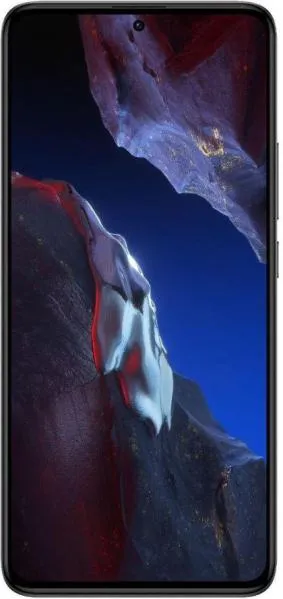
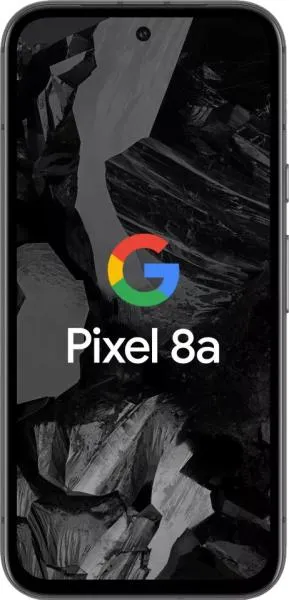
1. Specifications Comparison
| Feature | Xiaomi Poco F5 Pro | Google Pixel 8a | Practical Impact |
|---|---|---|---|
| Design | |||
| Dimensions (mm) | 162.8 x 75.4 x 8.6 | 152.1 x 72.7 x 8.9 | Pixel 8a is noticeably smaller and more pocketable. |
| Weight (g) | 204 | 188 | Pixel 8a is lighter, reducing hand fatigue during extended use. |
| Build | Material specifications missing for both phones, limiting comparison. | ||
| Display | |||
| Size (inches) | 6.67 | 6.1 | Poco F5 Pro offers a significantly larger screen for immersive content consumption. |
| Resolution | 1440 x 3200 | 1080 x 2400 | Poco F5 Pro boasts sharper visuals due to higher resolution, though Pixel 8a's resolution is sufficient for most users. |
| Type | AMOLED | OLED | Both offer excellent contrast and deep blacks. Poco F5 Pro's AMOLED might provide slightly more vibrant colors. |
| Refresh Rate | 120Hz | 120Hz | Both offer smooth scrolling and animations. |
| Peak Brightness | 1400 nits | 2000 nits (claimed) | Pixel 8a claims superior peak brightness for better outdoor visibility. Real-world testing needed to verify. |
| Performance | |||
| Chipset | Snapdragon 8+ Gen 1 | Google Tensor G3 | Both are powerful chips. Tensor G3 excels in AI tasks and might offer better power efficiency. Snapdragon 8+ Gen 1 generally has a higher benchmark score, potentially offering better performance in demanding games. |
| CPU | Octa-core (1x3.0 GHz Cortex-X2 & 3x2.5 GHz Cortex-A710 & 4x1.80 GHz Cortex-A510) | Nona-core (1x3.0 GHz Cortex-X3 & 4x2.45 GHz Cortex-A715 & 4x2.15 GHz Cortex-A510) | Tensor G3 features a newer core architecture, but real-world performance differences might be subtle for average users. |
| GPU | Adreno 730 | Immortalis-G715s MC10 | Adreno 730 is a proven performer in gaming. Immortalis-G715s MC10 performance needs real-world testing for comparison. |
| RAM | 8GB/12GB | 8GB | Poco F5 Pro offers a 12GB RAM option for enhanced multitasking. |
| Camera | |||
| Main Camera (MP) | 64 | 64 | Similar resolution, but sensor size and other factors influence image quality. Pixel 8a's Sony IMX787 sensor generally receives high praise for image quality. |
| Ultrawide (MP) | 8 | 13 | Pixel 8a likely offers a better ultrawide experience with higher resolution and potentially wider field of view. FOV specs missing for Poco F5 Pro. |
| Front Camera (MP) | 16 | 13 | Poco F5 Pro has slightly higher resolution. Real-world selfie quality depends on processing and other factors. |
| Video | Up to 8K@24fps | Up to 4K@60fps | Poco F5 Pro offers 8K recording, but 4K is sufficient for most users. Pixel emphasizes computational photography for video, potentially leading to better quality. |
| Battery | |||
| Capacity (mAh) | 5160 | 4492 | Poco F5 Pro offers a significantly larger battery, potentially translating to longer battery life. |
| Charging Speed | Not specified | Not specified | Charging speed comparison not possible due to missing information. |
2. Key Differences Analysis
Xiaomi Poco F5 Pro Advantages:
- Larger, sharper display: More immersive for media consumption and gaming.
- Larger battery: Potentially longer battery life.
- Higher resolution main and front cameras: Potentially more detailed images.
- 8K video recording: While niche, offers higher resolution recording.
- 12GB RAM option: Benefits power users and heavy multitaskers.
Google Pixel 8a Advantages:
- Smaller, lighter form factor: Easier to handle and carry.
- Potentially brighter display: Better visibility outdoors.
- Tensor G3 chip: Optimized for AI tasks and potentially more power-efficient.
- Superior main and ultrawide camera sensors: Likely better image quality, especially in low light. Pixel's computational photography is generally highly regarded.
- Latest Android version and longer OS support: Access to newer features and security updates for a longer period.
3. User Profiles & Recommendations
Xiaomi Poco F5 Pro: Users who prioritize a large, sharp display, long battery life, and raw performance for gaming or demanding tasks. Good for media consumption, mobile gaming, and power users.
Google Pixel 8a: Users who value a compact phone with excellent camera quality, smooth performance, and the latest Android features. Ideal for everyday use, photography enthusiasts, and those who prioritize software updates.
4. Decision Framework
Key Questions for Buyers:
- What screen size do you prefer? Large and immersive or compact and pocketable?
- What is your priority: camera quality or raw performance?
- How important is software support and the latest Android features?
My Choice: Google Pixel 8a
While the Poco F5 Pro boasts impressive specs on paper, the Pixel 8a's superior camera system, compact size, and longer software support are more compelling to me. I prioritize a pocketable phone with excellent image quality and the guarantee of timely updates. Although the Poco F5 Pro offers a larger battery and higher resolution display, these advantages don't outweigh the Pixel 8a's strengths for my personal needs. The Pixel's reputation for computational photography and clean Android experience further solidifies my choice. Finally, while benchmark numbers favor the Poco F5 Pro's processor, real-world performance differences are likely negligible for my usage.
