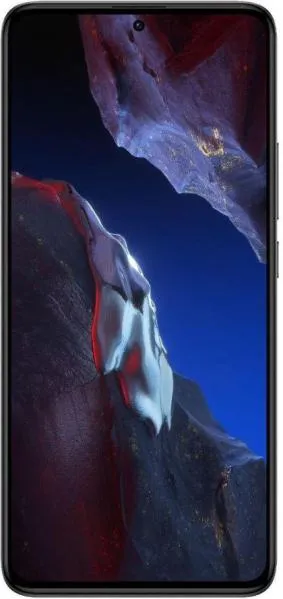

1. Specifications Comparison
| Feature | Xiaomi Poco F5 Pro | Google Pixel 8 | Practical Impact |
|---|---|---|---|
| Design | |||
| Dimensions (mm) | 162.8 x 75.4 x 8.6 | 150.5 x 70.8 x 8.9 | Pixel 8 is noticeably smaller and more pocketable. |
| Weight (g) | 204 | 187 | Pixel 8 is lighter, reducing hand fatigue during extended use. |
| Display | |||
| Size (inches) | 6.67 | 6.2 | Poco F5 Pro offers a larger screen for more immersive media consumption. |
| Resolution | 1440 x 3200 | 1080 x 2400 | Poco F5 Pro has a sharper display with higher pixel density (526 ppi vs 428 ppi), resulting in crisper text and images. |
| Type | AMOLED | OLED | Both offer excellent color accuracy and deep blacks. Poco F5 Pro's AMOLED might offer slightly more vibrant colors. |
| Refresh Rate (Hz) | 120 | 120 | Both provide smooth scrolling and animations. |
| Peak Brightness (nits) | 1400 (typical), up to 1400 | 1400 (typical), up to 2000 | Pixel 8 boasts significantly higher peak brightness, improving outdoor visibility. |
| Performance | |||
| Chipset | Snapdragon 8+ Gen 1 | Google Tensor G3 | Both are powerful chips, but benchmarks suggest Snapdragon 8+ Gen 1 might offer slightly better raw performance in demanding tasks. Tensor G3 excels in AI-powered tasks and computational photography. |
| RAM (GB) | 8/12 | 8 | Poco F5 Pro offers a 12GB RAM option, potentially benefiting multitasking and heavy app usage. |
| OS | Android 13 | Android 14 | Pixel 8 ships with the latest Android version and will receive longer software updates directly from Google. |
| Camera | |||
| Main Camera (MP) | 64 | 50 | Pixel 8, despite lower resolution, leverages Google's superior image processing for potentially better overall photo quality. |
| Ultrawide (MP) | 8 | 12 | Pixel 8's ultrawide offers higher resolution and potentially better macro capabilities due to its dual functionality. |
| Selfie (MP) | 16 | 10.8 | Poco F5 Pro has a higher resolution selfie camera. |
| Video | Up to 8K @ 24fps | Up to 4K @ 60fps | Poco F5 Pro can record in 8K, though practical benefits are limited. Pixel 8 likely offers better video stabilization and overall quality due to Google's processing. |
| Battery | |||
| Capacity (mAh) | 5160 | 4575 | Poco F5 Pro has a significantly larger battery, likely translating to longer battery life. |
2. Key Differences Analysis
Xiaomi Poco F5 Pro Advantages:
- Larger, sharper display: Better for media consumption and gaming.
- Larger battery: Longer usage time between charges.
- Potentially higher raw performance: Advantageous for demanding applications and gaming.
- Higher resolution selfie camera: May appeal to selfie enthusiasts.
- 8K video recording: Although practical benefits are limited.
Google Pixel 8 Advantages:
- Smaller and lighter form factor: Easier to handle and carry.
- Brighter display: Excellent outdoor visibility.
- Latest Android version and longer software support: Ensures security and feature updates for a longer period.
- Superior camera processing: Likely results in better overall photo and video quality, especially in challenging conditions.
- AI-powered features: Enhanced user experience through Google's AI capabilities.
3. User Profiles & Recommendations
Xiaomi Poco F5 Pro: Users prioritizing media consumption, gaming, long battery life, and raw performance on a budget.
Google Pixel 8: Users who value a compact phone with a great camera, the latest software, long-term updates, and a smooth user experience.
4. Decision Framework
Key Questions for Buyers:
- What is your budget? Both are mid-range, but price differences may exist.
- What are your primary use cases? (e.g., gaming, photography, social media).
- Do you prioritize software updates and long-term support?
Scenario-Based Recommendations:
- Heavy gamer on a budget: Poco F5 Pro.
- Photography enthusiast: Pixel 8.
- User who wants the latest features and long-term support: Pixel 8.
My Choice: Google Pixel 8
While the Poco F5 Pro offers tempting specifications like a larger battery and sharper display, I would choose the Google Pixel 8. The deciding factors for me are:
- Superior Camera: Google's computational photography consistently delivers excellent results, surpassing raw megapixel counts.
- Software Updates: The latest Android version and guaranteed long-term updates are crucial for security and new features. This provides a better long-term value proposition.
- Compact Form Factor: I prefer a smaller, lighter phone for easier one-handed use and portability.
- AI Integration: The Tensor G3 chip promises a more intelligent and personalized user experience, a feature I find increasingly valuable.
While I acknowledge the Poco F5 Pro's strengths in battery life and display resolution, the Pixel 8's advantages in camera quality, software, and size align better with my personal priorities.
