1. Specifications Comparison
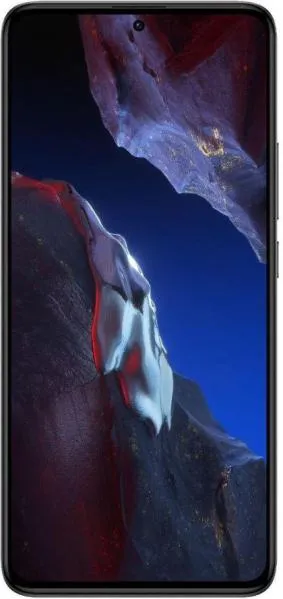
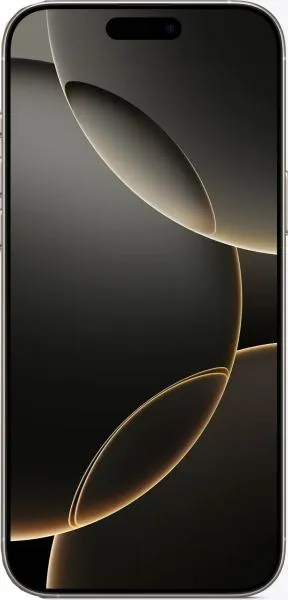
| Feature | Xiaomi Poco F5 Pro | Apple iPhone 16 Pro Max | Practical Impact |
|---|---|---|---|
| Design | |||
| Dimensions (mm) | 162.8 x 75.4 x 8.6 | 163 x 77.6 x 8.3 | iPhone 16 Pro Max is slightly larger and heavier. |
| Weight (g) | 204 | 227 | Poco F5 Pro is noticeably lighter, reducing hand fatigue. |
| Build Materials | Not specified | Titanium | iPhone's titanium frame offers superior durability and scratch resistance. Lack of information on Poco F5 Pro's build limits comparison. |
| Display | |||
| Display Size (inches) | 6.67 | 6.9 | iPhone offers a larger screen for more immersive content consumption. |
| Resolution (pixels) | 1440 x 3200 | 1320 x 2868 | Poco F5 Pro has a higher resolution, resulting in sharper text and images, though the difference might not be perceptible to the naked eye given the high PPI of both devices. |
| Display Type | AMOLED | LTPO Super Retina XDR OLED | Both offer excellent color accuracy and deep blacks. iPhone's LTPO panel allows for dynamic refresh rate adjustment, saving battery. |
| Refresh Rate (Hz) | 120 | 120 | Both offer smooth scrolling and animations. |
| Peak Brightness (nits) | 1400 | 2000 | iPhone's significantly higher peak brightness ensures better visibility outdoors. |
| Performance | |||
| Chipset | Snapdragon 8+ Gen 1 | Apple A18 Pro | Both are flagship chipsets, offering top-tier performance. A18 Pro is expected to be more powerful based on Apple's historical performance gains. |
| CPU | Octa-core | Hexa-core | Specific core configurations are listed, but real-world performance depends on optimization. |
| GPU | Adreno 730 | Apple GPU (6-core) | Apple's GPUs generally offer superior graphics performance. |
| RAM (GB) | 8/12 | 8 | Poco F5 Pro offers a 12GB RAM option, potentially beneficial for multitasking. |
| Camera | |||
| Main Camera (MP) | 64 | 48 | Poco F5 Pro has a higher megapixel count, but sensor size and other factors impact image quality. iPhone uses a larger sensor (1/1.3") for potentially better low-light performance. |
| Ultrawide (MP) | 8 | 48 | iPhone's ultrawide offers significantly higher resolution. |
| Telephoto (MP) | Not specified | 12 | iPhone has a dedicated telephoto lens for optical zoom, Poco F5 Pro specs lack detail in this area. |
| Video Recording | Up to 8K@24fps | Up to 4K@120fps | Poco offers higher resolution video recording, but iPhone offers higher frame rates at 4K for smoother slow-motion. |
| Battery | |||
| Capacity (mAh) | 5160 | 4685 | Poco F5 Pro has a larger battery capacity, potentially leading to longer battery life. |
| Charging Speed | Not specified | Not specified | Charging speed comparison is not possible due to missing information. |
2. Key Differences Analysis
Xiaomi Poco F5 Pro Advantages:
- Higher Resolution Display: Sharper visuals, though the difference might be negligible in practice.
- Larger Battery: Potential for longer battery life.
- Higher RAM Option: Better multitasking performance with the 12GB variant.
- Lower Price: Significantly more affordable.
- 8K Video Recording: Offers higher resolution video recording.
Apple iPhone 16 Pro Max Advantages:
- More Powerful Chipset: Expected to provide smoother performance in demanding tasks and games.
- Superior GPU: Better graphics performance for gaming and content creation.
- LTPO Display: More power efficient due to dynamic refresh rate.
- Brighter Display: Enhanced outdoor visibility.
- More Versatile Camera System: Dedicated telephoto lens, larger main sensor, and advanced features like ProRAW.
- Titanium Frame: Superior durability.
- USB 3.2 Gen 2 with DisplayPort: Faster data transfer and video output capabilities.
3. User Profiles & Recommendations
Xiaomi Poco F5 Pro: Ideal for budget-conscious users who prioritize a large, high-resolution display, long battery life, and good performance. Suitable for:
- Everyday users: Social media, web browsing, media consumption.
- Mobile gamers: High refresh rate and powerful chipset provide a good gaming experience.
- Users on a budget: Offers excellent value for its price.
Apple iPhone 16 Pro Max: Ideal for users who demand the best possible performance, camera system, and overall user experience and are willing to pay a premium. Suitable for:
- Power users: Demanding tasks, multitasking, professional apps.
- Content creators: High-quality camera system, powerful video editing capabilities.
- Photography enthusiasts: Advanced camera features, ProRAW support.
4. Decision Framework
Key Questions for Buyers:
- What is your budget? The iPhone 16 Pro Max is significantly more expensive.
- What are your primary use cases? Gaming, photography, content creation, or everyday use?
- Which operating system do you prefer? Android or iOS?
My Choice: Apple iPhone 16 Pro Max
While the Xiaomi Poco F5 Pro offers impressive specifications for its price, the iPhone 16 Pro Max provides a more well-rounded and future-proof package. The A18 Pro chip, superior camera system with a dedicated telephoto lens, brighter and more power-efficient LTPO display, and the robust titanium build are compelling advantages. The USB 3.2 Gen 2 with DisplayPort opens up possibilities for professional workflows. Although the price is significantly higher, the iPhone 16 Pro Max aligns better with my need for top-tier performance, a versatile camera, and a durable device. The longer software support lifecycle of iPhones is also a significant factor in my decision. While the Poco F5 Pro offers excellent value, the iPhone 16 Pro Max provides a superior user experience in critical areas that justify the price premium for my needs.
