1. Specifications Comparison
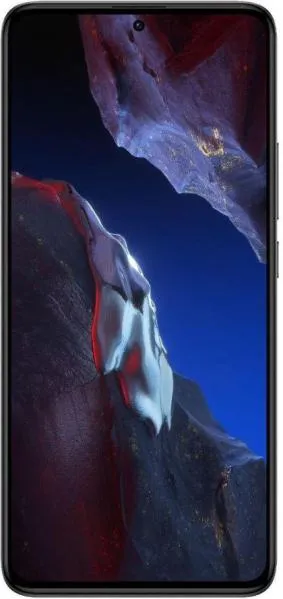
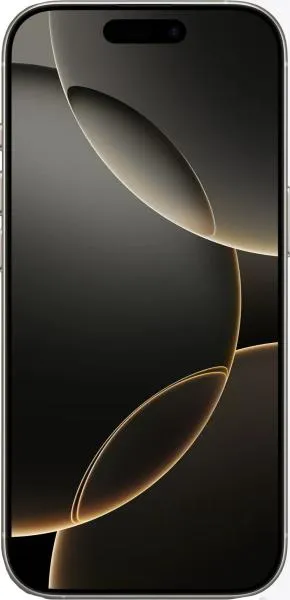
| Feature | Xiaomi Poco F5 Pro | Apple iPhone 16 Pro | Practical Impact |
|---|---|---|---|
| Design | |||
| Dimensions (mm) | 162.8 x 75.4 x 8.6 | 149.6 x 71.5 x 8.3 | iPhone 16 Pro is significantly smaller and more pocketable. |
| Weight (g) | 204 | 199 | Negligible weight difference in real-world usage. |
| Build Material | Not specified | Not specified | Cannot compare build quality and durability. |
| Display | |||
| Display Size (inches) | 6.67 | 6.3 | Poco F5 Pro offers a larger screen for more immersive media consumption. |
| Resolution (px) | 1440 x 3200 | 1206 x 2622 | Poco F5 Pro has a sharper display with higher pixel density (526 ppi vs 460 ppi). |
| Display Type | AMOLED | LTPO Super Retina XDR OLED | Both offer excellent color accuracy and contrast; iPhone's LTPO allows for more granular refresh rate control, potentially saving battery. |
| Refresh Rate (Hz) | 120 | 120 | Both offer smooth scrolling and animations. |
| Peak Brightness (nits) | 1400 | 2000 | iPhone 16 Pro boasts significantly higher peak brightness, improving outdoor visibility. |
| Performance | |||
| Chipset | Snapdragon 8+ Gen 1 | Apple A18 Pro | A18 Pro is a newer generation chip, likely offering superior performance and efficiency. |
| CPU | Octa-core (1x3.0 GHz Cortex-X2 & 3x2.5 GHz Cortex-A710 & 4x1.80 GHz Cortex-A510) | Hexa-core (2x4.05 GHz + 4x2.42 GHz) | Direct CPU comparison is difficult due to different architectures; A18 Pro is expected to be faster based on Apple's track record. |
| GPU | Adreno 730 | Apple GPU (6-core) | Apple's custom GPUs typically deliver excellent graphics performance; expecting the A18 Pro's GPU to be more powerful. |
| RAM (GB) | 8/12 | 8 | Poco F5 Pro offers a 12GB RAM option for better multitasking. |
| Camera | |||
| Main Camera (MP) | 64 | 48 | Megapixel count doesn't solely determine image quality; both likely produce excellent photos. iPhone uses a larger sensor (1/1.3" vs 1/2"). |
| Ultrawide (MP) | 8 | 48 | iPhone 16 Pro's ultrawide offers much higher resolution. |
| Telephoto (MP) | N/A | 12 | iPhone 16 Pro features a dedicated telephoto lens for optical zoom, absent in Poco F5 Pro. |
| Video Recording | Up to 8K@24fps | Up to 4K@120fps | While Poco F5 Pro offers 8K recording, iPhone prioritizes higher frame rates at 4K for smoother slow-motion and action shots. iPhone also supports Dolby Vision HDR video recording. |
| Battery | |||
| Capacity (mAh) | 5160 | 3582 | Poco F5 Pro has significantly larger battery capacity, potentially leading to longer battery life. |
| Charging Speed | Not specified | Not specified | Cannot compare charging speeds. |
2. Key Differences Analysis
Xiaomi Poco F5 Pro Advantages:
- Larger Display: More immersive for media consumption and gaming.
- Higher Resolution Display: Sharper visuals.
- Larger Battery: Potentially longer battery life.
- Higher RAM Option: Better multitasking performance.
- Lower Price: Significantly more affordable.
Apple iPhone 16 Pro Advantages:
- Smaller and Lighter: More pocketable and comfortable for one-handed use.
- Brighter Display: Enhanced outdoor visibility.
- More Powerful Chipset: Faster performance and potentially better power efficiency.
- Superior Camera System: Larger main sensor, higher resolution ultrawide, dedicated telephoto lens, advanced video features.
- Latest iOS Features and Ecosystem: Access to Apple's ecosystem and seamless integration with other Apple devices.
Trade-offs:
- Price vs. Features: Poco F5 Pro offers competitive features at a much lower price, while the iPhone 16 Pro commands a premium for its advanced camera, performance, and ecosystem.
- Screen Size vs. Portability: Poco F5 Pro's larger screen enhances media consumption but sacrifices portability.
3. User Profiles & Recommendations
Xiaomi Poco F5 Pro: Ideal for budget-conscious users who prioritize a large, high-resolution display, long battery life, and good performance for gaming and multitasking.
Apple iPhone 16 Pro: Suitable for users who value a premium experience, top-tier camera capabilities, seamless integration within the Apple ecosystem, and are willing to pay a premium price.
4. Decision Framework
Key Questions for Buyers:
- What is your budget? The Poco F5 Pro offers excellent value for its price, while the iPhone 16 Pro is significantly more expensive.
- What are your priorities? Prioritize screen size and battery life? Choose the Poco F5 Pro. Prioritize camera quality, performance, and the Apple ecosystem? Choose the iPhone 16 Pro.
- What is your typical usage? Heavy gamer or media consumer? The Poco F5 Pro's larger display and battery might be beneficial. Photographer or videographer? The iPhone 16 Pro's camera system is superior.
My Choice: Apple iPhone 16 Pro
While the Poco F5 Pro offers compelling value, I would choose the iPhone 16 Pro. The superior camera system, especially the inclusion of a telephoto lens and advancements in video recording capabilities, is a significant factor for me. The expected performance gains from the A18 Pro chip and the brighter display further solidify my choice. While the smaller battery is a slight concern, Apple's silicon typically delivers excellent power efficiency. Although the price premium is substantial, I prioritize the overall user experience, camera quality, and long-term software support offered by the iPhone. This decision reflects my personal preference for a more compact form factor and the Apple ecosystem.
