1. Specifications Comparison
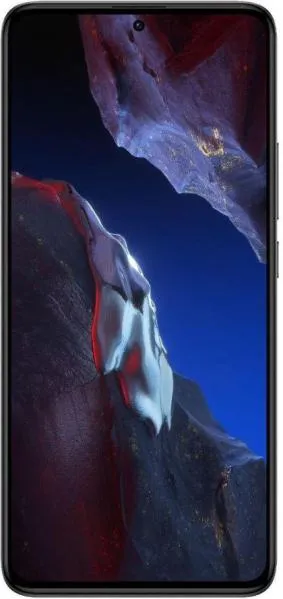
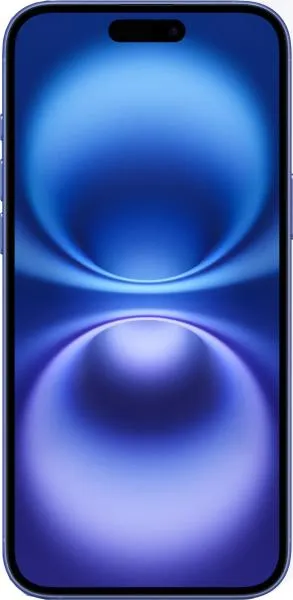
| Feature | Xiaomi Poco F5 Pro | Apple iPhone 16 Plus | Practical Impact |
|---|---|---|---|
| Design | |||
| Dimensions (mm) | 162.8 x 75.4 x 8.6 | 160.9 x 77.8 x 7.8 | iPhone 16 Plus is slightly shorter, wider, and thinner. Poco F5 Pro is slightly thicker. Negligible difference in hand feel for most users. |
| Weight (g) | 204 | 199 | Virtually identical weight; negligible difference in real-world usage. |
| Display | |||
| Display Size (inches) | 6.67 | 6.7 | Nearly identical screen sizes, offering similar media consumption experiences. |
| Resolution (px) | 1440 x 3200 | 1290 x 2796 | Poco F5 Pro boasts a sharper display (526 ppi vs. 460 ppi), resulting in crisper text and images. Difference noticeable in detail-oriented tasks like photo editing. |
| Display Type | AMOLED | OLED | Both offer excellent contrast and vibrant colors. AMOLED's individual pixel illumination can lead to deeper blacks. |
| Refresh Rate (Hz) | 120 | Not specified | 120Hz on the Poco F5 Pro provides smoother animations and scrolling compared to a standard 60Hz likely on the iPhone (though not explicitly stated). This significantly impacts UI fluidity and gaming. |
| Peak Brightness (nits) | 1400 | 2000 | iPhone 16 Plus offers significantly higher peak brightness, ensuring better visibility in direct sunlight. |
| Performance | |||
| Chipset | Snapdragon 8+ Gen 1 | Apple A18 | Both are flagship chipsets from their respective release years. A18, being newer, is likely to offer superior performance and efficiency. Direct comparison difficult without benchmarks. |
| CPU | Octa-core (1x3.0 GHz Cortex-X2 & 3x2.5 GHz Cortex-A710 & 4x1.80 GHz Cortex-A510) | Hexa-core (2x4.04 GHz + 4x2.20 GHz) | Apple's custom core architecture often outperforms Android counterparts in single-core tasks. Poco's diverse core configuration may handle multitasking differently. Real-world performance depends on optimization. |
| GPU | Adreno 730 | Apple GPU (5-core) | Difficult to compare directly without benchmarks. Apple's GPUs are generally well-regarded for gaming performance. |
| RAM (GB) | 12 | 8 | Poco F5 Pro has more RAM, potentially benefiting multitasking and keeping more apps open in the background. The impact of this difference depends heavily on OS memory management. |
| Camera | |||
| Main Camera (MP) | 64 | 48 | Megapixel count doesn't solely determine image quality. Sensor size, aperture, and processing play crucial roles. |
| Sensor Size | 1/2\" | 1/1.3\" | iPhone 16 Plus likely has a larger main sensor, potentially capturing more light and detail, especially in low light conditions. |
| Battery | |||
| Capacity (mAh) | 5160 | 4674 | Poco F5 Pro has a larger battery, potentially offering longer battery life. Real-world usage varies greatly. |
2. Key Differences Analysis
Xiaomi Poco F5 Pro Advantages:
- Sharper Display: Higher resolution for crisper visuals.
- Higher Refresh Rate: Smoother scrolling and animations.
- Larger Battery: Potentially longer battery life.
- More RAM: Potentially better multitasking.
- Lower Price: Typically more affordable.
Apple iPhone 16 Plus Advantages:
- Brighter Display: Better visibility in sunlight.
- Newer, More Powerful Chipset: Likely faster and more efficient.
- Larger Main Camera Sensor: Potentially better low-light photography.
- Potentially better Single-Core Performance: Apple's architecture generally excels in single-core tasks.
3. User Profiles & Recommendations
Xiaomi Poco F5 Pro:
- Ideal User: Budget-conscious users seeking high performance and a smooth display for gaming, media consumption, and general use.
- Use Cases: Mobile gaming, multimedia consumption, multitasking.
Apple iPhone 16 Plus:
- Ideal User: Users prioritizing a bright display, strong performance, potentially superior camera capabilities, and seamless integration with the Apple ecosystem.
- Use Cases: Photography, demanding applications, general use within the Apple ecosystem.
4. Decision Framework
Key Questions for Buyers:
- Budget: How much are you willing to spend?
- Display Priority: Do you prioritize sharpness and smoothness or brightness?
- Ecosystem Preference: Are you invested in the Apple or Android ecosystem?
Scenario-Based Recommendations:
- Gamer on a Budget: Poco F5 Pro.
- Photographer prioritizing image quality: iPhone 16 Plus.
- User deeply embedded in Apple ecosystem: iPhone 16 Plus.
My Choice: Apple iPhone 16 Plus
While the Poco F5 Pro offers compelling specifications for its price, I would choose the iPhone 16 Plus. The newer A18 chip promises significant performance gains, and the larger main camera sensor is appealing for photography. The brighter display is crucial for outdoor use, which is important to me. While the higher refresh rate of the Poco F5 Pro is tempting, I prioritize the overall performance and camera capabilities of the iPhone 16 Plus. Additionally, I value the seamless integration within the Apple ecosystem. Though more expensive, the long-term performance and consistent software updates make the iPhone 16 Plus a better value proposition for my needs in the long run.
