Xiaomi Poco F4 vs. Asus ROG Phone 8 Pro: A Deep Dive for the Discerning Smartphone User
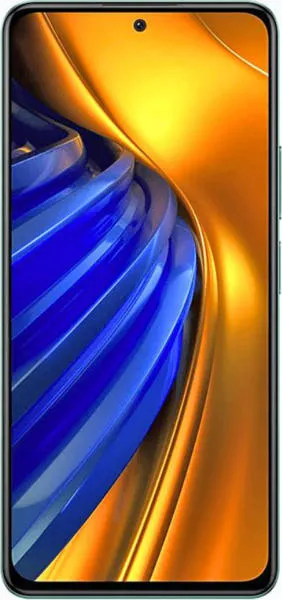
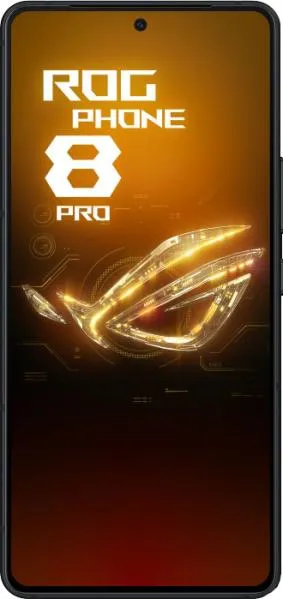
The smartphone landscape is a battlefield, and today we're pitting two formidable contenders against each other: the Xiaomi Poco F4 and the Asus ROG Phone 8 Pro. Let's dissect their specs, analyze their real-world performance, and uncover which device reigns supreme.
1. Specifications Breakdown
| Feature | Xiaomi Poco F4 | Asus ROG Phone 8 Pro | Real-World Implications |
|---|---|---|---|
| Design | |||
| Dimensions (mm) | 163.2 x 76 x 7.7 | 163.8 x 76.8 x 8.9 | ROG Phone 8 Pro is slightly larger and noticeably thicker. Poco F4 is more pocketable. |
| Weight (g) | 195 | 225 | ROG Phone 8 Pro's extra weight might be noticeable during extended use but suggests a more robust build and larger battery. |
| Display | |||
| Size (inches) | 6.67 | 6.78 | Negligible difference in screen real estate. |
| Type | AMOLED | LTPO AMOLED | ROG Phone 8 Pro's LTPO panel allows for dynamic refresh rate adjustment, saving battery. |
| Refresh Rate (Hz) | 120 | 165 | ROG Phone 8 Pro offers smoother scrolling and animations, especially noticeable in gaming. |
| Peak Brightness | 1300 nits | 2500 nits | ROG Phone 8 Pro boasts significantly higher peak brightness, crucial for outdoor visibility. |
| Performance | |||
| Chipset | Snapdragon 870 | Snapdragon 8 Gen 3 | ROG Phone 8 Pro's newer generation chipset delivers a substantial performance leap in CPU and GPU tasks, future-proofing the device. |
| RAM (GB) | 6/8/12 | 16/24 | ROG Phone 8 Pro's massive RAM ensures seamless multitasking and effortless handling of demanding applications and games. |
| Camera | |||
| Main Sensor (MP) | 64 | 50 | While megapixel count is lower on the ROG Phone 8 Pro, the Sony IMX890 sensor generally offers superior image quality. |
| Video | 4K@60fps | 8K@24fps | ROG Phone 8 Pro capable of higher resolution video recording. |
| Battery Life | |||
| Capacity (mAh) | 4500 | 5500 | ROG Phone 8 Pro has a significantly larger battery, promising longer usage time. |
| Charging (W) | 67 | 65 | Similar fast charging speeds, though Poco F4 might be slightly faster. |
2. Key Insights
The Poco F4 presents itself as a well-rounded mid-range contender, focusing on affordability and a balanced feature set. Its Snapdragon 870, while not the latest, still delivers respectable performance for everyday tasks and moderate gaming.
The ROG Phone 8 Pro, on the other hand, is a no-compromise gaming powerhouse. Its cutting-edge Snapdragon 8 Gen 3, coupled with an enormous amount of RAM, sets a new standard for mobile gaming performance. The brighter, higher refresh rate display enhances the gaming experience further. The larger battery ensures extended playtime.
3. User Profiles and Recommendations
Poco F4: Ideal for budget-conscious users seeking a reliable all-around performer. Excellent for social media, web browsing, light gaming, and content consumption.
ROG Phone 8 Pro: Tailored for hardcore mobile gamers and power users who demand top-tier performance. A multimedia powerhouse that excels in demanding tasks and extended gaming sessions.
4. Buying Decision Framework
- What is your budget? The Poco F4 offers excellent value for its price, while the ROG Phone 8 Pro commands a premium.
- What are your primary use cases? For everyday tasks, the Poco F4 is sufficient. For demanding gaming and heavy multitasking, the ROG Phone 8 Pro is the clear winner.
- How important is battery life? The ROG Phone 8 Pro's larger battery provides a significant advantage for extended use.
My Choice: The Asus ROG Phone 8 Pro
While the Poco F4 is a compelling option for its price, I would choose the Asus ROG Phone 8 Pro. As a tech enthusiast who appreciates cutting-edge performance and future-proof technology, the leap in processing power, the stunning display with its 165Hz refresh rate and incredible brightness, and the substantial battery life upgrade are irresistible. The added benefit of expandable storage solidifies its position as the ultimate mobile device for my needs. While I acknowledge the price premium, the significant performance gains and enhanced user experience justify the investment for me. The ROG Phone 8 Pro isn't just a phone; it's a portable powerhouse that promises to redefine mobile gaming and productivity.
