1. Specifications Comparison
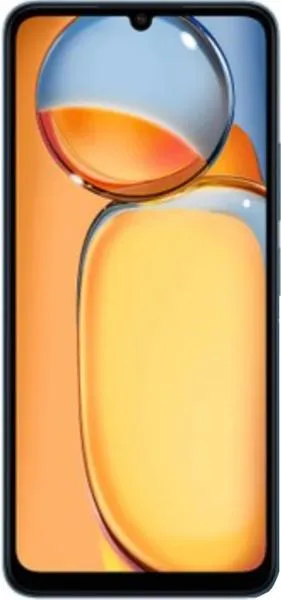
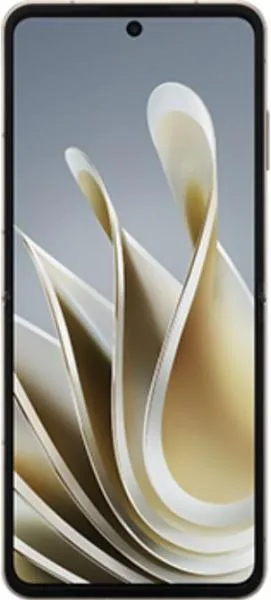
| Feature | Xiaomi Poco C65 | ZTE nubia Flip | Practical Impact |
|---|---|---|---|
| Design | |||
| Dimensions | 168 x 78 x 8.1 mm | 170 x 75.5 x 7 mm | The nubia Flip is slightly taller and narrower when unfolded, significantly thinner but wider when folded. Poco C65 is a traditional candybar design. |
| Weight | 192g | 214g | Nubia Flip is noticeably heavier, common for foldable phones. |
| Foldable | No | Yes | Nubia Flip offers a significantly smaller footprint when folded, enhancing portability. |
| Display | |||
| Size | 6.74" | 6.9" | Nubia Flip offers a slightly larger screen real estate. |
| Type | IPS LCD | Foldable OLED | OLED generally provides better contrast, deeper blacks, and wider viewing angles compared to IPS LCD. The foldable nature of the Nubia's display is a key differentiator. |
| Resolution | 720 x 1600 | 1188 x 2790 | Nubia Flip boasts a much sharper and more detailed display. |
| Refresh Rate | 90Hz | 120Hz | Nubia Flip will provide smoother animations and scrolling. |
| Brightness (Peak) | 600 nits (HBM) | Not specified | Poco C65's peak brightness is known, allowing for better visibility in direct sunlight. We cannot compare to the Nubia without its peak brightness spec. |
| Performance | |||
| Chipset | Mediatek Helio G85 (12nm) | Qualcomm Snapdragon 7 Gen 1 (4nm) | Snapdragon 7 Gen 1 offers significantly better performance and efficiency due to its more advanced architecture and manufacturing process. |
| CPU | Octa-core (2x2.0 GHz Cortex-A75 & 6x1.8 GHz Cortex-A55) | Octa-core (1x2.4 GHz Cortex-A710 & 3x2.36 GHz Cortex-A710 & 4x1.8 GHz Cortex-A510) | Snapdragon 7 Gen 1 has more powerful cores, resulting in faster app loading, smoother multitasking, and better gaming performance. |
| GPU | Mali-G52 MC2 | Adreno 644 | Adreno 644 offers a substantial improvement in graphics performance, beneficial for gaming and demanding applications. |
| RAM | 8GB | 8GB | Both phones have the same RAM, which should provide ample multitasking capabilities. |
| Storage | 256 GB | 256GB | Storage capacity is equal in both devices. |
| Battery | |||
| Capacity | 5000 mAh | 4310 mAh | Poco C65 has a larger battery capacity, potentially leading to longer battery life. However, the Nubia Flip's more efficient processor might offset this difference. |
| Other | |||
| OS | Android 13 | Android 13 | Both run on the same base OS. Long-term software updates are unknown for both devices. |
| NFC | Yes | Yes | Both support contactless payments and data transfer. |
2. Key Differences Analysis
Xiaomi Poco C65 Advantages:
- Longer potential battery life: The larger 5000mAh battery might provide longer usage time.
- Lower Price: Belongs to a lower price range, offering better value for budget-conscious users.
ZTE nubia Flip Advantages:
- Significantly more powerful: The Snapdragon 7 Gen 1 chipset offers superior performance for demanding tasks and gaming.
- Higher quality display: Foldable OLED with a higher resolution and refresh rate provides a more immersive and responsive visual experience.
- More Compact when Folded: The foldable design offers better portability.
Trade-offs:
- Nubia Flip - Price for Foldability: The innovative foldable design likely comes at a premium price compared to the Poco C65.
- Poco C65 - Performance limitations: The Helio G85 might struggle with demanding tasks and games compared to the Snapdragon 7 Gen 1.
3. User Profiles & Recommendations
Xiaomi Poco C65: Ideal for budget-conscious users who prioritize basic smartphone functionality, long battery life, and reliability. Suitable for everyday tasks like calling, texting, browsing, and social media.
ZTE nubia Flip: Best suited for users who value cutting-edge technology, a premium viewing experience, portability of a foldable phone, and have the budget for it. Ideal for users who consume a lot of media, multitask heavily, and appreciate a compact device.
4. Decision Framework
Key Questions for Buyers:
- What is your budget? The Poco C65 is significantly more affordable.
- What level of performance do you need? For demanding tasks and gaming, the Nubia Flip is a clear winner.
- How important is portability and screen quality? The Nubia Flip's foldable design and OLED display offer significant advantages in these areas.
My Choice: ZTE nubia Flip
While the Xiaomi Poco C65 offers excellent value for its price, I would choose the ZTE nubia Flip. The superior performance of the Snapdragon 7 Gen 1, combined with the stunning foldable OLED display and increased portability, outweighs the price difference and slightly smaller battery for me. The innovative form factor and high-quality display provide a significant upgrade in user experience. While battery life is a concern, the efficiency of the 7 Gen 1 might mitigate the smaller battery capacity compared to the Poco C65. I prioritize performance and a premium user experience, making the Nubia Flip the more compelling choice.
