1. Specifications Comparison
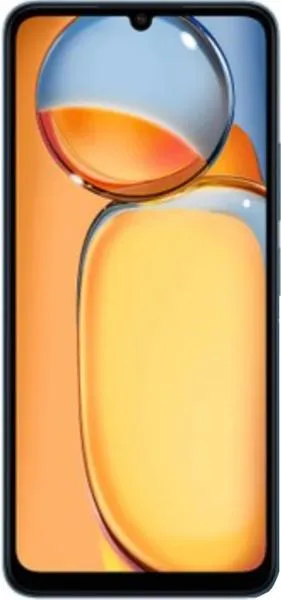
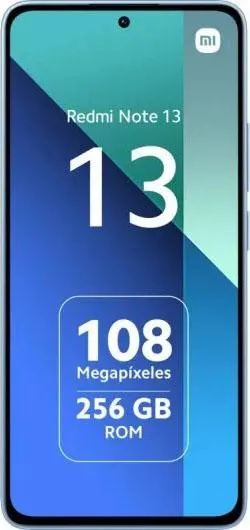
| Feature | Xiaomi Poco C65 | Xiaomi Redmi Note 13 4G | Practical Impact |
|---|---|---|---|
| Design | |||
| Dimensions | 168 x 78 x 8.1 mm | 162.3 x 75.6 x 8 mm | Redmi Note 13 is slightly smaller and may feel more comfortable in hand. |
| Weight | 192g | 188.5g | Negligible weight difference. |
| Build Materials | Not specified | Not specified | Cannot compare build quality and durability. |
| Display | |||
| Display Type | IPS LCD | AMOLED | AMOLED offers deeper blacks, vibrant colors, and better power efficiency. |
| Display Size | 6.74" | 6.67" | Negligible size difference. |
| Resolution | 720 x 1600 (HD+) | 1080 x 2400 (FHD+) | Redmi Note 13 has a significantly sharper display, resulting in clearer text and images. |
| Refresh Rate | 90Hz | 120Hz | Redmi Note 13 offers smoother scrolling and animations. |
| Peak Brightness | 600 nits (HBM) | 1800 nits | Redmi Note 13 is vastly superior in bright sunlight readability. |
| Performance | |||
| Chipset | Mediatek Helio G85 (12nm) | Snapdragon 685 (6nm) | Snapdragon 685 offers better performance and power efficiency due to its smaller manufacturing process. |
| CPU | Octa-core (2x2.0 GHz Cortex-A75 & 6x1.8 GHz Cortex-A55) | Octa-core (4x2.8 GHz Cortex-A73 & 4x1.9 GHz Cortex-A53) | Redmi Note 13 will likely provide smoother multitasking and faster app loading times. |
| GPU | Mali-G52 MC2 | Adreno 610 | Adreno 610 provides a better gaming experience. |
| RAM | 8GB | 8GB | Equal RAM capacity. |
| Storage | 256GB | 128GB/256GB | Redmi Note 13 offers a 128GB option, providing flexibility for budget-conscious users. |
| Camera | |||
| Rear Camera | Not specified | Not specified | Cannot compare camera quality and features. |
| Front Camera | Not specified | Not specified | Cannot compare camera quality and features. |
| Video | 1080p@30fps | 1080p@30fps | Same video recording capabilities. |
| Battery | |||
| Capacity | 5000 mAh | 5000 mAh | Same battery capacity, but real-world battery life will depend on other factors like display and chipset. |
| Charging Speed | Not specified | Not specified | Cannot compare charging speeds. |
| Other | |||
| OS | Android 13 | Android 13 (upgradable to 16) | Redmi Note 13 has confirmed longer software support. |
| NFC | Yes | Yes | Both support contactless payments. |
| USB | USB Type-C 2.0 | USB Type-C 2.0, OTG | Redmi Note 13 supports OTG for connecting peripherals like flash drives. |
| Fingerprint Sensor | Side-mounted | Under-display | Preference-dependent; under-display is often considered more modern. |
2. Key Differences Analysis
Xiaomi Poco C65 Advantages:
- Potentially Lower Price: Belonging to the "low price" range, it's likely more affordable.
Xiaomi Redmi Note 13 4G Advantages:
- Superior Display: AMOLED with higher resolution, refresh rate, and peak brightness.
- Better Performance: More powerful and efficient processor and GPU.
- Longer Software Support: Confirmed upgrade path to Android 16.
- More Storage Options: Offers a 128GB variant for budget flexibility.
- OTG Support: Allows connecting peripherals.
3. User Profiles & Recommendations
Xiaomi Poco C65: Budget-conscious users who prioritize basic functionality (calling, texting, browsing) over high-end features.
Xiaomi Redmi Note 13 4G: Users who value a better display, smoother performance, longer software updates, and modern features like under-display fingerprint sensor. Suitable for gaming, media consumption, and multitasking.
4. Decision Framework
Key Questions:
- What is your budget? The Poco C65 is likely significantly cheaper.
- What is your primary phone usage? Basic tasks vs. demanding apps and media consumption.
- How important is display quality and performance? The Redmi Note 13 offers a substantial upgrade in these areas.
My Choice: Xiaomi Redmi Note 13 4G
While the price of the Redmi Note 13 4G might be higher, the significant improvements in display, performance, and longevity make it a far more compelling device. The AMOLED display, 120Hz refresh rate, and powerful Snapdragon processor contribute to a vastly superior user experience. Longer software support ensures the device remains relevant for a longer period. The Poco C65 might be acceptable for extremely budget-constrained users prioritizing basic functionality, but the Redmi Note 13 4G offers much better value in the long run. The lack of camera specifications makes a complete judgment impossible, but based on the available information, the Redmi Note 13 4G is the clear winner.
