
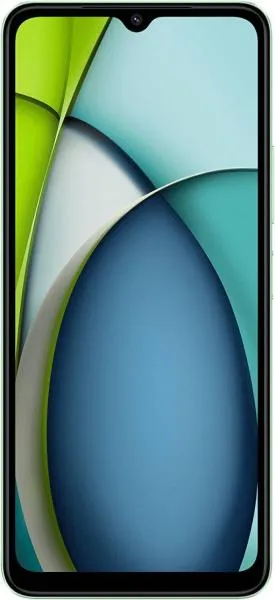
1. Specifications Comparison
| Feature | Xiaomi Poco C65 | Xiaomi Redmi A3x | Practical Impact |
|---|---|---|---|
| Design | |||
| Dimensions | 168 x 78 x 8.1 mm | 168.4 x 76.3 x 8.3 mm | Redmi A3x is slightly narrower but thicker. Negligible difference in hand feel. |
| Weight | 192g | 193g | Virtually identical weight. |
| Build Materials | Not specified | Not specified | Cannot compare build quality and durability. |
| Display | |||
| Size | 6.74" | 6.71" | Negligible difference in screen real estate. |
| Type | IPS LCD | IPS LCD | Both offer similar color accuracy and viewing angles. |
| Resolution | 720 x 1600 | 720 x 1650 | Redmi A3x has a slightly higher resolution, leading to marginally sharper text. |
| Refresh Rate | 90Hz | 90Hz | Both offer smooth scrolling and animations. |
| Brightness (typ) | 450 nits | 500 nits | Redmi A3x should be slightly more visible in sunlight. |
| Performance | |||
| Chipset | Mediatek Helio G85 (12nm) | Unisoc T603 (22nm) | Helio G85 offers significantly better performance in gaming and multitasking due to superior CPU and GPU and more efficient manufacturing process. |
| CPU | Octa-core (2x2.0 GHz Cortex-A75 & 6x1.8 GHz Cortex-A55) | Octa-core 1.8 GHz | Poco C65 has faster and more powerful CPU cores, leading to smoother performance. |
| GPU | Mali-G52 MC2 | Information incomplete (only "8" provided) | Cannot quantitatively compare GPU performance, but Helio G85 generally has stronger graphics capabilities. |
| RAM | 8GB | 4GB | Poco C65 offers significantly more RAM, enabling better multitasking and preventing app closures in the background. |
| Storage | 256GB | 128GB | Poco C65 offers double the storage. |
| Software | |||
| OS | Android 13 | Android 14 | Redmi A3x ships with a newer Android version, potentially offering more features and longer software support. |
| Max OS Version | Not Specified | Android 16 | Redmi A3x has confirmed future OS updates up to Android 16. |
| Battery | |||
| Capacity | 5000mAh | 5000mAh | Similar battery capacity, expected similar battery life depending on usage and software optimization. |
| Other | |||
| NFC | Yes | No | Poco C65 supports contactless payments and data transfer via NFC. |
| USB | USB Type-C 2.0 | USB Type-C | Data transfer speeds may be slightly faster on Redmi A3x if it utilizes a higher USB standard (not specified). |
| Price Range | Low | Low | Both target the budget segment. |
2. Key Differences Analysis
Xiaomi Poco C65 Advantages:
- Significantly better performance: The Helio G85 chipset and 8GB of RAM offer a smoother user experience for gaming, multitasking, and demanding applications.
- Double the storage: 256GB provides ample space for apps, photos, and videos.
- NFC support: Enables contactless payments and convenient data transfer.
Xiaomi Redmi A3x Advantages:
- Newer Android version: Ships with Android 14 and guaranteed updates to Android 16, potentially offering longer software support and newer features.
- Slightly brighter display: May be more readable in direct sunlight.
3. User Profiles & Recommendations
Xiaomi Poco C65: Suitable for users who prioritize performance and storage, play mobile games, or use demanding applications. Also beneficial for those who require NFC for mobile payments.
Xiaomi Redmi A3x: Best suited for budget-conscious users who primarily use their phone for basic tasks like calling, texting, browsing, and social media. The longer software support is a plus for long-term use.
4. Decision Framework
Key Questions for Buyers:
- What is your budget? Both phones are in the low price range, but actual pricing may vary.
- What is your primary phone usage? Gaming and multitasking benefit from the Poco C65's superior performance. Basic usage will be adequately handled by both.
- How important are NFC and future software updates? If these are crucial, the Poco C65 (NFC) and Redmi A3x (software updates) offer distinct advantages.
My Choice: Xiaomi Poco C65
While the Redmi A3x offers newer software and slightly better display brightness, the Poco C65's superior performance, larger RAM and storage, and NFC functionality make it a more compelling overall package for my needs. The performance difference stemming from the chipset and RAM will be noticeable in daily use, providing a smoother and more responsive experience. The added storage is invaluable for storing media and applications. NFC is a crucial feature for me for mobile payments. While longer software support is a benefit of the A3x, the performance advantages of the Poco C65 outweigh this for my usage. I would prefer a smoother, faster phone with more storage and NFC now, even if it means potentially shorter software support in the long run.
