
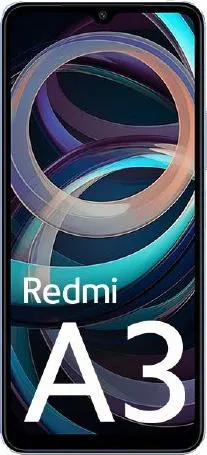
1. Specifications Comparison
| Feature | Xiaomi Poco C65 | Xiaomi Redmi A3 | Practical Impact |
|---|---|---|---|
| Design | |||
| Dimensions | 168 x 78 x 8.1 mm | 168.3 x 76.3 x 8.3 mm | Redmi A3 is slightly narrower and thicker. Negligible difference in hand feel. |
| Weight | 192g | 193g | Virtually identical weight. |
| Build Materials | Not specified | Not specified | Cannot compare build quality and durability without more information. |
| Display | |||
| Size | 6.74" | 6.71" | Negligible size difference. |
| Type | IPS LCD | IPS LCD | Both offer similar color accuracy and viewing angles, expected in this price range. |
| Resolution | 720 x 1600 | 720 x 1650 | Redmi A3 has a slightly higher resolution, but the difference in sharpness is minimal on this screen size. |
| Refresh Rate | 90Hz | 90Hz | Both offer smooth scrolling and animations. |
| Brightness (typ) | 450 nits | Not specified | Poco C65's specified typical brightness suggests better visibility in normal lighting. Can't definitively compare without Redmi A3's typical brightness. |
| Brightness (HBM) | 600 nits | 500 nits | Poco C65 likely offers better visibility in direct sunlight. |
| Performance | |||
| Chipset | Mediatek Helio G85 (12nm) | Mediatek Helio G36 (12nm) | G85 generally offers better CPU and GPU performance than the G36, resulting in smoother multitasking and gaming. |
| CPU | Octa-core (2x2.0 GHz A75 & 6x1.8 GHz A55) | Octa-core (8x2.2 GHz A53) | Poco C65's CPU architecture with performance cores (A75) will provide noticeably faster performance for demanding tasks. |
| GPU | Mali-G52 MC2 | PowerVR GE8320 | Mali-G52 MC2 is significantly more powerful, leading to better gaming performance and smoother graphics rendering. |
| RAM | 8GB | 4GB/6GB | 8GB RAM in Poco C65 allows for better multitasking and app switching compared to the 4GB variant of Redmi A3. 6GB RAM on Redmi A3 is a decent middle ground. |
| Storage | 256GB | 128GB | Poco C65 offers double the storage, allowing users to store more apps, photos, and videos. |
| Battery | |||
| Capacity | 5000mAh | 5000mAh | Similar battery life expected, though actual usage will depend on individual usage patterns and software optimization. |
| Software | |||
| OS | Android 13 | Android 14 | Redmi A3 comes with a newer Android version out of the box, potentially offering newer features and longer software support. |
| Other | |||
| NFC | Yes | Yes | Both support contactless payments and data transfer. |
2. Key Differences Analysis
Xiaomi Poco C65 Advantages:
- Significantly better performance: The Helio G85 chipset and more powerful GPU provide a smoother and more responsive user experience, especially for gaming and multitasking.
- More RAM and Storage: The 8GB RAM and 256GB storage offer ample space for apps, files, and media.
- Brighter Display: Higher peak brightness ensures better visibility outdoors.
Xiaomi Redmi A3 Advantages:
- Newer Android Version: Ships with Android 14, potentially offering longer software updates and newer features.
- Potentially More Affordable: While pricing isn't specified, Redmi A series typically targets the lowest price bracket. Different RAM/Storage configurations allow for price flexibility.
3. User Profiles & Recommendations
Xiaomi Poco C65: Users who prioritize performance for gaming, multitasking, or demanding applications. Also suitable for users who need ample storage.
Xiaomi Redmi A3: Users on a tight budget who primarily use their phone for basic tasks like calling, texting, browsing, and social media. The 6GB RAM variant provides a good balance for moderate usage.
4. Decision Framework
Key Questions for Buyers:
- What is your budget? The Redmi A3 is likely cheaper, especially the 4GB RAM version.
- What is your primary phone usage? For demanding tasks, the Poco C65 is superior. For basic usage, the Redmi A3 is sufficient.
- How important is long-term software support? The Redmi A3's newer Android version might offer longer updates.
My Choice: Xiaomi Poco C65
While the Redmi A3 might offer a slightly longer software update cycle and lower price (depending on the RAM/Storage version), the performance difference is significant enough to make the Poco C65 the better choice for me. The Helio G85, coupled with 8GB of RAM and 256GB storage, will provide a far smoother and more enjoyable user experience in the long run. I prioritize a responsive phone that can handle multitasking and occasional gaming without lag. The brighter display is a welcome bonus. Even if the Redmi A3 is cheaper, the performance limitations would likely lead to frustration over time. The value proposition of the Poco C65, with its superior performance and ample storage, outweighs the benefits of the Redmi A3 for my usage pattern.
