
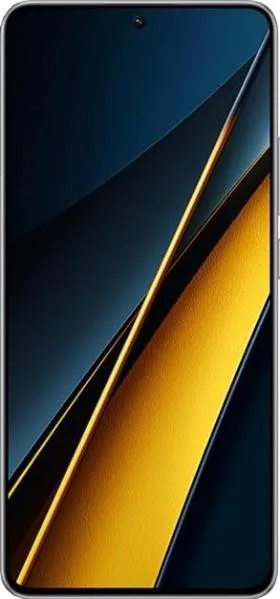
1. Specifications Comparison
| Feature | Xiaomi Poco C65 | Xiaomi Poco X6 Pro | Practical Impact |
|---|---|---|---|
| Design | |||
| Dimensions | 168x78x8.1mm | 160.5x74.3x8.3mm | Poco X6 Pro is slightly smaller and thinner. |
| Weight | 192g | 186g | Poco X6 Pro is slightly lighter. |
| Fingerprint Sensor | Side-mounted | Under display | Preference-based, under-display is often perceived as more modern. |
| Display | |||
| Display Type | IPS LCD | AMOLED | X6 Pro offers significantly better contrast, deeper blacks, and potentially brighter colors. |
| Display Size | 6.74" | 6.67" | Negligible size difference. |
| Resolution | 720x1600 (HD+) | 1220x2712 (FHD+) | X6 Pro offers much sharper visuals due to higher resolution. |
| Refresh Rate | 90Hz | 120Hz | X6 Pro will feel smoother in animations and scrolling. |
| Peak Brightness | 600 nits (HBM) | 1800 nits (peak) | X6 Pro will be significantly more readable in direct sunlight. |
| Performance | |||
| Chipset | Mediatek Helio G85 (12nm) | Mediatek Dimensity 8300 Ultra (4nm) | X6 Pro boasts a vastly more powerful and efficient processor, enabling smoother multitasking and demanding gaming. |
| CPU | Octa-core (2x2.0 GHz A75 & 6x1.8 GHz A55) | Octa-core (1x3.35 GHz A715 & 3x3.20 GHz A715 & 4x2.20 GHz A510) | Significant performance difference in favor of the X6 Pro. |
| GPU | Mali-G52 MC2 | Mali G615-MC6 | X6 Pro provides a substantially better gaming and graphics rendering experience. |
| RAM/Storage | 8GB/256GB | 12GB/256GB or 12GB/512GB | X6 Pro offers more RAM and storage options for smoother multitasking and ample file storage. |
| Camera | |||
| Video Capabilities | 1080p@30fps | Up to 4K@30fps with EIS | X6 Pro allows for higher resolution video recording with electronic image stabilization. No detailed camera specs are available for comparison beyond video capabilities. |
| Battery | |||
| Capacity | 5000mAh | 5000mAh | Similar battery capacity, but the X6 Pro's more efficient chipset likely results in better battery life. |
| Software | |||
| OS | Android 13 | Android 14 | X6 Pro comes with a newer Android version and guaranteed updates up to Android 17. |
2. Key Differences Analysis
Poco C65 Advantages:
- Lower Price: Positioned in the low price range, offering affordability.
Poco X6 Pro Advantages:
- Superior Performance: Significantly faster processor and GPU.
- Better Display: Higher resolution AMOLED with a 120Hz refresh rate and much higher peak brightness.
- More RAM and Storage: Improved multitasking and ample space for files.
- Newer Software: Latest Android version with longer software update support.
- Enhanced Video Recording: 4K recording capability with EIS.
Trade-offs:
- The Poco X6 Pro's higher performance and features come at a significantly higher price.
3. User Profiles & Recommendations
Poco C65: Budget-conscious users who prioritize basic smartphone functionality for calling, texting, web browsing, and social media.
Poco X6 Pro: Users who demand high performance for gaming, media consumption, multitasking, and photography/videography. Suitable for power users and those who value a premium display and long software update support.
4. Decision Framework
Key Questions for Buyers:
- What is your budget? The Poco C65 is significantly more affordable.
- What are your primary smartphone usage patterns? Basic tasks vs. demanding applications and gaming.
- How important is display quality and performance? The X6 Pro offers a superior visual experience and smoother performance.
Scenario-Based Recommendations:
- Limited Budget, Basic Usage: Poco C65
- Demanding User, High Performance Needed: Poco X6 Pro
- Balanced Needs, Value for Money: Consider other options in the mid-range segment, potentially offering a compromise between price and performance.
My Choice: Xiaomi Poco X6 Pro
While the Poco C65 offers excellent value for its price, the Xiaomi Poco X6 Pro is the clear winner for me. The significantly improved performance, superior AMOLED display, future-proof software with longer updates, and enhanced video recording capabilities justify the higher price. I prioritize a smooth and responsive user experience, a vibrant display for media consumption, and the longevity provided by extended software updates. The performance difference between the Helio G85 and the Dimensity 8300 Ultra is substantial, making the X6 Pro a more capable device for a wider range of tasks. While I acknowledge the budget constraints some users might have, the X6 Pro offers a more compelling overall package for my needs.
