
1. Specifications Comparison
| Feature | Xiaomi Poco C65 | Motorola Razr 50 | Practical Impact |
|---|---|---|---|
| Design | |||
| Dimensions | 168 x 78 x 8.1 mm | 171.3 x 74 x 7.3 mm | Razr 50 is slightly longer and narrower when unfolded, significantly more compact when folded. |
| Weight | 192g | 188.4g | Negligible weight difference. |
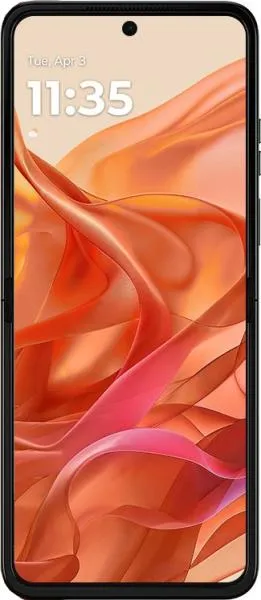
| Foldable | No | Yes | Razr 50 offers significantly increased portability due to its folding design. |
| Display | |||
| Size | 6.74" | 6.9" | Razr 50 has a slightly larger display. |
| Type | IPS LCD | Foldable LTPO AMOLED | Razr 50's AMOLED offers superior contrast, deeper blacks, and potentially better power efficiency due to LTPO. Folding capability is a major differentiator. |
| Resolution | 720 x 1600 | 1080 x 2640 | Razr 50 has a much sharper display with higher pixel density. |
| Refresh Rate | 90Hz | 120Hz | Razr 50 will provide smoother animations and scrolling. |
| Peak Brightness | 600 nits (HBM) | 3000 nits (peak) | Razr 50 will be significantly more visible in direct sunlight. |
| Performance | |||
| Chipset | Mediatek Helio G85 (12nm) | Mediatek Dimensity 7300X (4nm) | Razr 50 boasts a significantly more powerful and efficient chipset, leading to much better performance in demanding tasks and potentially longer battery life. |
| CPU | Octa-core (2x2.0 GHz Cortex-A75 & 6x1.8 GHz Cortex-A55) | Octa-core (4x2.5 GHz Cortex-A78 & 4x2.0 GHz Cortex-A55) | Razr 50 has faster and more modern CPU cores, resulting in a noticeable performance difference. |
| GPU | Mali-G52 MC2 | Mali-G615 MC2 | Razr 50's GPU provides a substantial improvement in graphics performance for gaming and other visually demanding tasks. |
| RAM | 8GB | 12GB | Razr 50 allows for more apps to run in the background without performance slowdown and enables better multitasking. |
| Storage | 256GB | 512GB | Razr 50 offers double the storage capacity. |
| Battery | |||
| Capacity | 5000 mAh | 4200 mAh | Poco C65 has a larger battery capacity, but the Razr 50's more efficient processor might offset this difference in real-world usage. |
| Camera | |||
| Video Capabilities | 1080p@30fps | 4K@30fps (EIS), 1080p@30/60fps (EIS) | Razr 50 offers significantly better video recording capabilities with higher resolution and frame rates, along with Electronic Image Stabilization (EIS). No detailed camera specs provided for still photography comparison. |
2. Key Differences Analysis
Xiaomi Poco C65 Advantages:
- Lower Price: Belongs to the "low price" range, making it much more affordable.
- Larger Battery: Potentially longer battery life, but this depends heavily on usage patterns and the Razr 50's efficiency.
Motorola Razr 50 Advantages:
- Significantly More Powerful: Superior chipset, CPU, and GPU translate to a much smoother and faster user experience, especially in demanding tasks and gaming.
- Foldable Design: Offers unmatched portability and a unique form factor.
- Superior Display: Higher resolution, refresh rate, peak brightness, and AMOLED technology provide a dramatically better visual experience.
- More RAM and Storage: Enables smoother multitasking and ample space for apps and files.
- Better Video Recording: Higher resolution, frame rates, and EIS result in superior video quality.
Trade-offs:
- Price: The Razr 50's advanced features come at a significantly higher price.
- Battery Life: While the Razr 50 has a smaller battery, its more efficient processor may result in comparable battery life. Real-world testing is needed for a definitive comparison.
3. User Profiles & Recommendations
Xiaomi Poco C65: Budget-conscious users who prioritize basic functionality, long battery life, and affordability over performance and premium features. Ideal for:
- Casual users primarily using their phone for calling, texting, social media, and light web browsing.
- Users in areas with limited charging access.
Motorola Razr 50: Users who value cutting-edge technology, portability, a premium display, and strong performance. Ideal for:
- Power users who demand a fast and responsive phone for multitasking, gaming, and demanding applications.
- Users who prioritize portability and a unique form factor.
- Content creators who require high-quality video recording capabilities.
4. Decision Framework
Key Questions for Buyers:
- What is your budget? The Poco C65 is significantly more affordable.
- What are your primary use cases? Basic tasks vs. demanding applications and gaming.
- How important is portability and a unique design? The Razr 50's foldable design is a key differentiator.
Scenario-Based Recommendations:
- Limited Budget, Basic Needs: Poco C65
- Power User, Premium Experience: Razr 50
- Portability and Style Focused: Razr 50
My Choice: Motorola Razr 50
While the Poco C65 offers excellent value for its price, the Motorola Razr 50 is the clear winner for me. The significantly improved performance, stunning display, and unique foldable design are compelling advantages. While the price is higher, the overall user experience justifies the premium. The compact size when folded is a huge benefit for portability. While battery life is a concern given the smaller capacity, the more efficient chipset could potentially offer comparable real-world usage. I prioritize performance, a great display, and innovative design, making the Razr 50 the better choice for my needs.
