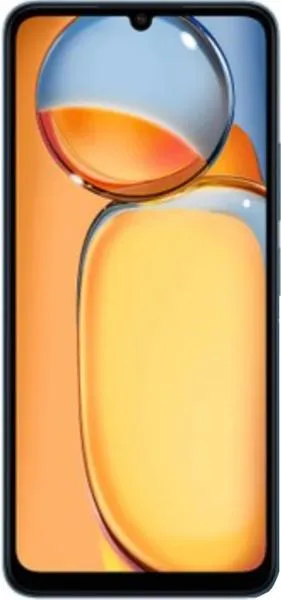
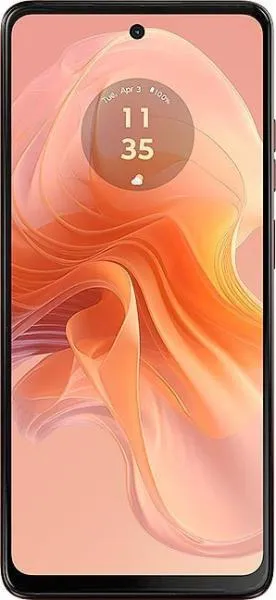
1. Specifications Comparison
| Feature | Xiaomi Poco C65 | Motorola Moto G04s | Practical Impact |
|---|---|---|---|
| Design | |||
| Dimensions (mm) | 168 x 78 x 8.1 | 163.5 x 74.5 x 8 | Moto G04s is slightly smaller and may feel more comfortable in hand. |
| Weight (g) | 192 | 178.8 | Moto G04s is noticeably lighter, reducing hand fatigue during extended use. |
| Build Materials | Not specified | Not specified | Cannot compare build quality and durability without more information. |
| Display | |||
| Size (inches) | 6.74 | 6.56 | Poco C65 offers a larger screen for more immersive media consumption. |
| Type | IPS LCD | IPS LCD | Both use LCD technology, expecting similar color accuracy and viewing angles. |
| Resolution | 720 x 1600 | 720 x 1612 | Virtually identical resolutions; no noticeable difference in sharpness. |
| Refresh Rate (Hz) | 90 | 90 | Both offer smooth scrolling and animations thanks to the 90Hz refresh rate. |
| Peak Brightness (nits) | 600 (HBM) | Not specified | Poco C65's higher peak brightness ensures better visibility in direct sunlight. Missing G04s data limits full comparison. |
| Performance | |||
| Chipset | Mediatek Helio G85 (12nm) | Unisoc T606 (12nm) | Both are entry-level chipsets; Helio G85 generally performs slightly better in benchmarks. |
| CPU | Octa-core (2x2.0 GHz A75 & 6x1.8 GHz A55) | Octa-core (2x1.6 GHz A75 & 6x1.6 GHz A55) | Poco C65's higher clocked CPU cores may provide a slight edge in performance for demanding tasks. |
| GPU | Mali-G52 MC2 | Mali-G57 MP1 | While G57 is a newer architecture, the MC2 configuration in the Poco C65 might offer better performance in some scenarios. Direct comparison is difficult without benchmarks. |
| RAM | 8GB | 4GB | Poco C65's double the RAM allows for smoother multitasking and less frequent app reloading. |
| Storage | 256GB | 128GB | Poco C65 provides significantly more storage for apps, photos, and videos. |
| Battery | |||
| Capacity (mAh) | 5000 | 5000 | Identical battery capacities suggest similar battery life, but real-world usage may vary. |
| Software | |||
| OS | Android 13 | Android 14 | Moto G04s ships with a newer Android version, offering potential feature and security advantages. |
| Other | |||
| NFC | Yes | Yes | Both support contactless payments and data transfer. |
| USB | USB Type-C 2.0 | USB Type-C 2.0 | Both use a modern USB standard for charging and data transfer. |
| Sensors | Accelerometer, Compass, Fingerprint (side) | Accelerometer, Proximity, Fingerprint (side) | Both have essential sensors. Poco C65 has a compass, while G04s lists a proximity sensor. |
2. Key Differences Analysis
Xiaomi Poco C65 Advantages:
- Superior Performance: More powerful CPU and potentially better GPU, coupled with double the RAM, results in smoother multitasking and better handling of demanding applications.
- Larger Storage: Double the storage capacity allows for storing more files and apps without worrying about running out of space.
- Brighter Display (Potentially): The listed peak brightness suggests better outdoor visibility, but lacking G04s data makes a definitive statement impossible.
Motorola Moto G04s Advantages:
- Newer OS: Android 14 offers potential performance improvements, new features, and enhanced security compared to Android 13.
- Lighter and More Compact: Easier to hold and carry, enhancing one-handed usability.
- Potentially Lower Price: Listed as "medium price" compared to Poco C65's "low price," though actual pricing may vary.
3. User Profiles & Recommendations
Xiaomi Poco C65: Suitable for users who prioritize performance and storage, play mobile games, or consume a lot of media. Its larger display enhances the viewing experience.
Motorola Moto G04s: Ideal for budget-conscious users who prioritize a lightweight and compact phone with the latest Android features. Suitable for everyday tasks like browsing, social media, and communication.
4. Decision Framework
Key Questions:
- What is your budget? The Moto G04s might be more affordable.
- What are your performance needs? The Poco C65 offers significantly better performance for demanding tasks and gaming.
- Do you prioritize the latest software or larger storage? Moto G04s has Android 14, while Poco C65 boasts more storage.
My Choice: Xiaomi Poco C65
While the Moto G04s offers a newer OS and a more compact design, the Xiaomi Poco C65's superior performance, larger storage, and brighter display (potentially) make it a more compelling option for me. The 8GB RAM is a significant advantage for multitasking and future-proofing the device. The difference in OS version is less crucial than the day-to-day performance gains offered by the Poco C65, especially considering its "low price" designation. I value a smooth and responsive user experience, and the Poco C65 seems better equipped to deliver that. The larger screen is also a plus for media consumption. However, if budget is a major constraint and having the latest Android version is paramount, the Moto G04s might be a reasonable alternative.
