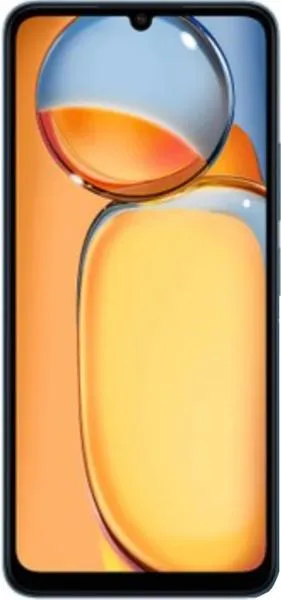
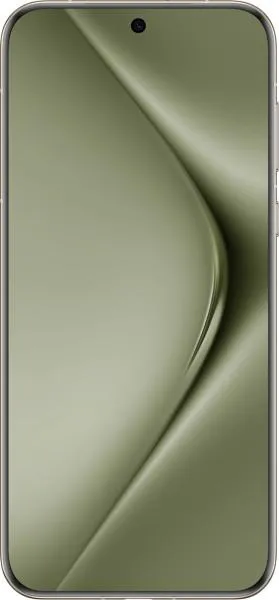
1. Specifications Comparison
| Feature | Xiaomi Poco C65 | Huawei Pura 70 Ultra | Practical Impact |
|---|---|---|---|
| Design | |||
| Dimensions | 168 x 78 x 8.1 mm | 162.6 x 75.1 x 8.4 mm | The Poco C65 is slightly larger but thinner. The Pura 70 Ultra might feel slightly more premium due to potentially better materials (unspecified). |
| Weight | 192g | 226g | The Poco C65 is significantly lighter, making it more comfortable for extended use. |
| Build Materials | Unspecified | Unspecified | Build quality and durability are unknown for both. |
| Display | |||
| Display Type | IPS LCD, 90Hz | LTPO OLED, 120Hz | The Pura 70 Ultra's OLED display offers significantly better contrast, deeper blacks, and potentially better power efficiency due to LTPO. Its higher refresh rate provides smoother animations. |
| Resolution | 720 x 1600 (HD+) | 1260 x 2844 (QHD+) | The Pura 70 Ultra has a much sharper and more detailed display. |
| Peak Brightness | 600 nits (HBM) | 2500 nits (peak) | The Pura 70 Ultra will be vastly more readable in direct sunlight. |
| Performance | |||
| Chipset | Mediatek Helio G85 (12nm) | Kirin 9010 (7nm) | The Kirin 9010 in the Pura 70 Ultra is significantly more powerful, offering much better performance in demanding tasks and gaming. The more efficient 7nm process should also result in better battery life. |
| CPU | Octa-core (2x2.0 GHz Cortex-A75 & 6x1.8 GHz Cortex-A55) | Octa-core (1x2.3 GHz Taishan Big & 3x2.18 GHz Taishan Mid & 4x1.55 GHz Cortex-A510) | The Pura 70 Ultra's CPU architecture is more modern and powerful, resulting in superior performance and responsiveness. |
| GPU | Mali-G52 MC2 | Unspecified (assumed to be Mali based on Kirin history) | Gaming performance is likely significantly better on the Pura 70 Ultra due to the more powerful Kirin chipset. |
| RAM/Storage | 8GB/256GB | 16GB/1000GB | The Pura 70 Ultra offers vastly more RAM and storage, enabling smoother multitasking and ample space for files and apps. |
| Battery | |||
| Capacity | 5000 mAh | 5200 mAh | The Pura 70 Ultra has a slightly larger battery. However, real-world battery life depends on factors like software optimization and display efficiency. |
| Other | |||
| OS | Android 13 | Unspecified | A major unknown. The lack of OS information for the Pura 70 Ultra is a significant concern. It impacts app availability, security updates, and overall usability. |
| USB | USB Type-C 2.0 | USB Type-C 3.1, OTG, DisplayPort 1.2 | The Pura 70 Ultra offers faster data transfer speeds and display output capabilities. |
| Video Capabilities | 1080p@30fps | Unspecified | Video recording capabilities of the Pura 70 Ultra are unknown. |
2. Key Differences Analysis
Xiaomi Poco C65 Advantages:
- Lighter and More Affordable: Significantly lighter and falls in a much lower price bracket.
Huawei Pura 70 Ultra Advantages:
- Superior Performance: Significantly more powerful processor, more RAM, and more storage.
- Higher Quality Display: Higher resolution, refresh rate, OLED technology, and dramatically brighter.
Trade-offs:
- Price vs. Performance: The Poco C65 prioritizes affordability over performance, while the Pura 70 Ultra offers top-tier specs at a presumed premium price.
- Weight and Size: The Poco C65 is lighter and easier to handle, but the Pura 70 Ultra offers a more immersive display experience.
- Unknown OS on the Pura 70 Ultra: This is a critical unknown that could make the phone unusable depending on the OS and its limitations.
3. User Profiles & Recommendations
Xiaomi Poco C65: Budget-conscious users who prioritize basic functionality: calling, texting, social media, and light web browsing. Students, or as a secondary device.
Huawei Pura 70 Ultra: Users who demand top-tier performance, a stunning display, and ample storage. Power users, gamers, content creators (assuming adequate camera capabilities - currently unspecified).
4. Decision Framework
Key Questions:
- What is your budget? The Poco C65 is a budget option, while the Pura 70 Ultra is likely a premium flagship.
- What are your primary use cases? Basic tasks vs. demanding applications and gaming.
- What operating system do you require? The missing OS information for the Pura 70 Ultra is a crucial factor.
My Choice:
Given the available information, I would lean towards a hypothetical phone with more complete specifications than either of these. The missing OS details for the Huawei Pura 70 Ultra are a deal-breaker. While it boasts impressive hardware, a phone without a known operating system is a significant risk. The lack of information on its camera and video recording capabilities further hinders a proper evaluation.
The Xiaomi Poco C65, while clearly a budget device, at least provides a complete picture of its capabilities. It's a reasonable option for users with basic needs and limited budgets. However, if the Pura 70 Ultra were to run a full version of Android with Google services and had comparable camera capabilities to other flagship phones, it would be the superior choice due to its performance and display. But without that crucial information, it's impossible to recommend. A proper comparison necessitates complete data.
