1. Specifications Comparison
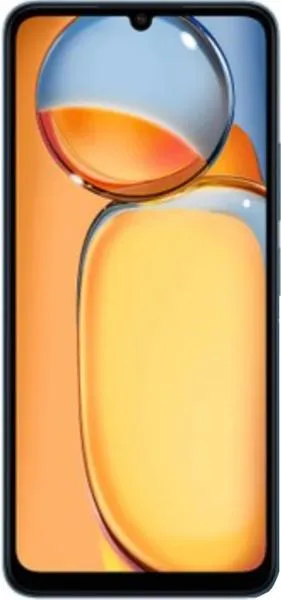
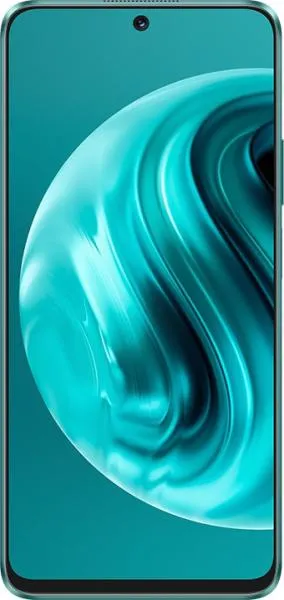
| Feature | Xiaomi Poco C65 | Huawei nova 12i | Practical Impact |
|---|---|---|---|
| Design | |||
| Dimensions | 168x78x8.1mm | 163.3x74.7x8.4mm | The Nova 12i is slightly smaller and thinner, potentially offering a more comfortable one-handed grip. |
| Weight | 192g | 199g | Negligible weight difference; both phones are relatively lightweight. |
| Display | |||
| Size | 6.74" | 6.7" | Negligible size difference in real-world usage. |
| Type | IPS LCD, 90Hz | IPS LCD, 90Hz | Both offer smooth scrolling and animations thanks to the 90Hz refresh rate. Expect similar color accuracy and viewing angles, typical of IPS LCD technology. |
| Resolution | 720x1600 | 1080x2388 | The Nova 12i has a significantly sharper display, resulting in clearer text and images. This is a major differentiator for media consumption. |
| PPI Density | 260 | 391 | The much higher PPI of the Nova 12i translates to a noticeably sharper and more detailed display. |
| Brightness (Peak) | Not specified | Not specified | Cannot compare peak brightness; outdoor visibility in direct sunlight remains unknown for both. |
| Performance | |||
| Chipset | Helio G85 (12nm) | Snapdragon 680 (6nm) | The Snapdragon 680 is built on a smaller node (6nm vs 12nm), implying better power efficiency and potentially better performance. |
| CPU | Octa-core | Octa-core | While both are Octa-core, the Snapdragon 680 uses more powerful Cortex-A73 cores, suggesting better performance for demanding tasks. |
| GPU | Mali-G52 MC2 | Adreno 610 | The Adreno 610 generally offers superior graphics performance compared to the Mali-G52 MC2, beneficial for gaming and graphically intensive applications. |
| RAM | 8GB | 8GB | Both offer ample RAM for multitasking. |
| Storage | 256GB | 256GB | Both offer the same storage capacity. |
| Other | |||
| OS | Android 13 | Unspecified | A significant unknown. The Nova 12i's OS will drastically impact the user experience. Lack of information limits a meaningful comparison. |
| Battery | 5000mAh | 5000mAh | Similar battery capacity suggests comparable battery life, although real-world usage may vary due to chipset efficiency and software optimization. |
| NFC | Yes | Yes | Both support contactless payments and data transfer. |
| USB | USB Type-C 2.0 | USB Type-C 2.0 | Both use a modern USB standard for charging and data transfer. |
| Price Range | Low | Medium | The Poco C65 is expected to be significantly more affordable. |
2. Key Differences Analysis
Xiaomi Poco C65 Advantages:
- Lower Price: Expected to be considerably more affordable.
Huawei nova 12i Advantages:
- Sharper Display: Significantly higher resolution and PPI for a noticeably better visual experience.
- More Powerful Chipset: The Snapdragon 680 offers better performance and power efficiency compared to the Helio G85. This translates to smoother gaming, faster app loading, and potentially better battery life.
Trade-offs:
- The Nova 12i's higher price for better performance and display.
- The unknown operating system of the Nova 12i is a significant concern.
3. User Profiles & Recommendations
Xiaomi Poco C65: Budget-conscious users prioritizing affordability over top-tier performance or display quality. Ideal for basic tasks like calling, texting, browsing, and social media.
Huawei nova 12i: Users who value a good display and smoother performance for media consumption, gaming, and multitasking, and are willing to pay a higher price. However, the unknown OS is a major caveat.
4. Decision Framework
Key Questions:
- What is your budget? The Poco C65 is for tight budgets.
- How important is display quality? The Nova 12i's sharper display is a major advantage.
- What operating system do you prefer? The unspecified OS on the Nova 12i is a critical unknown. Without knowing the OS, it's impossible to recommend this phone.
Scenario-Based Recommendations:
- Limited Budget: Poco C65
- Media Consumption & Gaming: Potentially the Nova 12i if the OS is acceptable and the price difference is justifiable.
My Choice: It depends on the Nova 12i's OS.
If the Nova 12i runs a full version of Android with Google Mobile Services (GMS), I would choose it despite the higher price. The superior display and performance offered by the Snapdragon 680 are significant advantages for a better overall user experience. However, if it runs HarmonyOS without GMS or a severely limited version of Android, I would choose the Poco C65. Lack of access to key Google apps and services would be a deal-breaker for me, outweighing the performance and display benefits of the Nova 12i. The uncertainty surrounding the OS makes it impossible to definitively recommend the Nova 12i at this time.
