1. Specifications Comparison
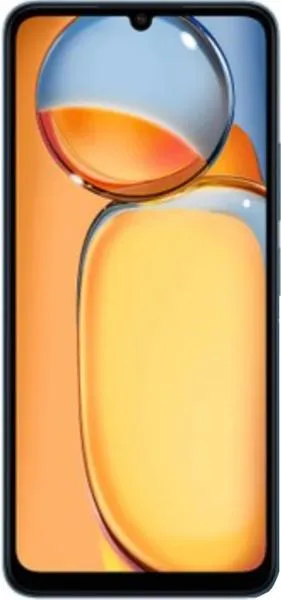
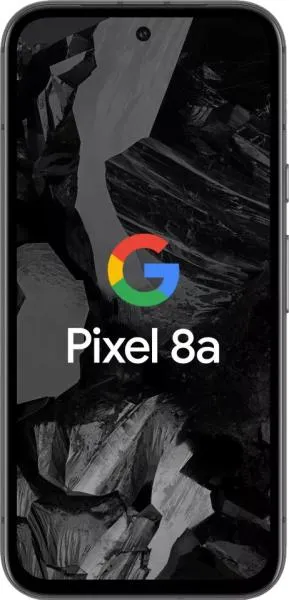
| Feature | Xiaomi Poco C65 | Google Pixel 8a | Practical Impact |
|---|---|---|---|
| Design | |||
| Dimensions | 168 x 78 x 8.1 mm | 152.1 x 72.7 x 8.9 mm | Pixel 8a is noticeably smaller and potentially easier to handle one-handed. |
| Weight | 192g | 188g | Negligible weight difference. |
| Build Materials | Not specified | Not specified | Cannot compare build quality and durability. |
| Display | |||
| Display Type | IPS LCD | OLED | Pixel 8a's OLED offers superior contrast, deeper blacks, and potentially better power efficiency. |
| Size | 6.74" | 6.1" | Poco C65 provides a larger screen for media consumption, while Pixel 8a is more pocketable. |
| Resolution | 720x1600 (HD+) | 1080x2400 (FHD+) | Pixel 8a has a significantly sharper display with more detail. |
| Refresh Rate | 90Hz | 120Hz | Pixel 8a offers smoother scrolling and animations. |
| Peak Brightness | 600 nits (HBM) | 2000 nits | Pixel 8a will be far more readable in direct sunlight. |
| Performance | |||
| Chipset | Mediatek Helio G85 (12nm) | Google Tensor G3 (4nm) | Tensor G3 offers significantly better performance, efficiency, and AI capabilities. |
| CPU | Octa-core (2x2.0 GHz A75 & 6x1.8 GHz A55) | Nona-core (1x3.0 GHz X3 & 4x2.45 GHz A715 & 4x2.15 GHz A510) | Pixel 8a will handle demanding tasks and multitasking much more smoothly. |
| GPU | Mali-G52 MC2 | Immortalis-G715s MC10 | Pixel 8a offers vastly superior graphics performance for gaming and demanding applications. |
| RAM | 8GB | 8GB | Comparable RAM capacity. |
| Storage | 256GB | 256GB | Comparable storage capacity. |
| Camera | |||
| Rear Camera | Not specified | Not specified | Cannot compare camera quality and features. |
| Video Recording | 1080p@30fps | Up to 4K@60fps, 1080p@240fps | Pixel 8a offers significantly better video recording capabilities with higher resolution, frame rates, and likely better stabilization (OIS). |
| Battery | |||
| Capacity | 5000 mAh | 4492 mAh | Poco C65 has a slightly larger battery, but real-world battery life depends on numerous factors including software optimization. |
| Charging Speed | Not specified | Not specified | Cannot compare charging speeds. |
| Other | |||
| OS | Android 13 | Android 14 | Pixel 8a comes with the latest Android version and guaranteed longer updates. |
| NFC | Yes | Yes | Both support contactless payments. |
| USB | USB Type-C 2.0 | USB Type-C 3.2 | Pixel 8a has a faster data transfer standard. |
2. Key Differences Analysis
Xiaomi Poco C65 Advantages:
- Larger Display: Better for media consumption.
- Potentially Longer Battery Life: Due to larger battery capacity and lower resolution display, though real-world usage will vary.
Google Pixel 8a Advantages:
- Significantly Better Performance: Tensor G3 provides a much smoother and faster user experience.
- Superior Display: OLED technology, higher resolution, refresh rate, and peak brightness result in a vastly improved visual experience.
- More Advanced Camera Features: Notably higher video recording capabilities.
- Software Updates and AI: Latest Android version with guaranteed long-term updates and Google's AI enhancements.
3. User Profiles & Recommendations
Xiaomi Poco C65: Budget-conscious users prioritizing a large display for media consumption and basic smartphone functionality.
Google Pixel 8a: Users who value performance, a premium display, a great camera, timely software updates, and a smooth user experience. Suitable for demanding tasks, gaming, and photography/videography.
4. Decision Framework
Key Questions:
- What is your budget? The Poco C65 is significantly cheaper.
- What are your primary smartphone needs? Basic use vs. demanding tasks and gaming.
- How important is display quality and camera performance? The Pixel 8a significantly outperforms the Poco C65 in these areas.
My Choice: Google Pixel 8a
While the Poco C65 offers a larger display and potentially longer battery life, the Pixel 8a's superior performance, vastly better display, advanced camera features, and the promise of long-term software updates make it the clear winner for me. The Tensor G3 chip ensures a smooth and future-proof experience, while the OLED display offers a significant jump in visual quality. While I acknowledge the price difference, the Pixel 8a offers a substantially better overall user experience that justifies the higher cost. I prioritize performance, display quality, and consistent software updates, making the Pixel 8a the more compelling choice.
