Xiaomi Poco C65 vs. Apple iPhone 16: A Deep Dive
Let's dissect the Xiaomi Poco C65 and the Apple iPhone 16, cutting through the spec sheet to uncover what these phones truly offer in the real world.
1. Specifications Breakdown
| Feature | Xiaomi Poco C65 | Apple iPhone 16 | Real-World Implications |
|---|---|---|---|
| Design | |||
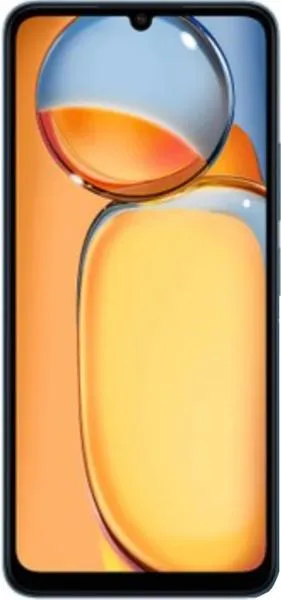
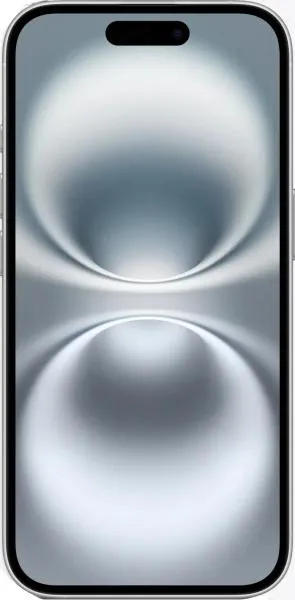
| Dimensions | 168x78x8.1mm | 147.6x71.6x7.8mm | iPhone 16 is significantly more compact, easier for one-handed use and pocket portability. |
| Weight | 192g | 170g | iPhone 16 feels lighter in hand. |
| Build Materials | Plastic | Glass/Aluminum | iPhone 16 offers a more premium feel and potentially better durability. |
| Display | |||
| Size | 6.74" | 6.1" | Poco C65 offers a larger screen for media consumption; iPhone 16 prioritizes portability. |
| Type | IPS LCD | Super Retina XDR OLED | iPhone 16 delivers significantly better contrast, color accuracy, and overall visual experience. |
| Resolution | 720x1600 | 1179x2556 | iPhone 16 boasts much sharper visuals due to higher resolution and pixel density (460 vs. 260 ppi). |
| Refresh Rate | 90Hz | (assumed) 60Hz | Poco C65 provides smoother scrolling and animations, though the iPhone's optimization might feel comparable. |
| Performance | |||
| Chipset | Helio G85 | Apple A18 | A18 offers vastly superior processing power and graphics performance for demanding tasks and gaming. |
| CPU | Octa-core (2x2.0 GHz Cortex-A75 & 6x1.8 GHz Cortex-A55) | Hexa-core (2x4.04 GHz + 4x2.20 GHz) | iPhone 16's CPU will be significantly faster and more efficient. |
| RAM | 8GB | 8GB | Both phones offer ample RAM for multitasking, though the A18 will utilize it more effectively. |
| Storage | 256GB | 256GB/512GB | iPhone 16 offers a higher storage tier option. |
| Battery | |||
| Capacity | 5000mAh | 3561mAh | Poco C65 has a significantly larger battery capacity, potentially lasting longer on a single charge. |
| Other | |||
| OS | Android 13 | iOS 18 | Different operating systems cater to different user preferences and ecosystems. |
| Price | Low | Medium | Poco C65 targets budget-conscious buyers; iPhone 16 commands a premium price. |
2. Key Insights
The Poco C65 is a budget-focused device prioritizing a large display and long battery life. Its 90Hz refresh rate offers a smooth user experience for everyday tasks, but the Helio G85 chipset limits its performance capabilities for demanding applications and gaming.
The iPhone 16, on the other hand, is a flagship contender. The A18 chip promises blazing-fast performance, and the Super Retina XDR OLED display delivers exceptional visuals. While its battery capacity is smaller, Apple's tight hardware-software integration often results in impressive battery optimization.
3. User Profiles and Recommendations
Poco C65: Suitable for budget-conscious users who prioritize media consumption, basic productivity, and long battery life. Ideal for casual users, students, or as a secondary device.
iPhone 16: Ideal for users who demand top-tier performance, a premium user experience, and value a robust app ecosystem. Perfect for power users, gamers, content creators, and those deeply invested in the Apple ecosystem.
4. Buying Decision Framework
What's your budget? If price is a primary concern, the Poco C65 offers excellent value. If you're willing to invest in a premium experience, the iPhone 16 is the clear winner.
What are your primary use cases? For casual use, the Poco C65 suffices. For demanding tasks, gaming, or content creation, the iPhone 16's superior performance is crucial.
Which ecosystem do you prefer? Consider your existing devices, app preferences, and comfort level with Android or iOS.
My Choice: As a tech journalist focused on performance and long-term value, I would choose the iPhone 16. While the Poco C65 offers impressive features for its price, the iPhone 16's superior performance, display, and ecosystem make it a more compelling long-term investment. The A18 chip's future-proofing, coupled with Apple's consistent software updates, ensures a device that remains powerful and relevant for years to come. While the battery capacity is smaller on paper, Apple's optimization often results in competitive real-world battery life. Ultimately, the premium user experience and long-term value justify the higher price for my needs.
