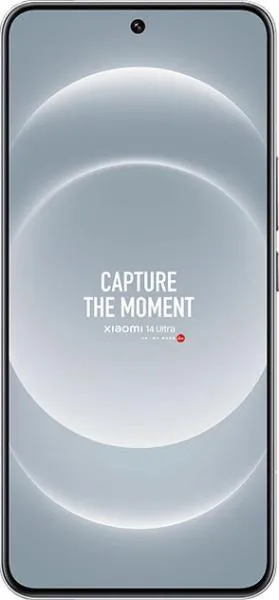
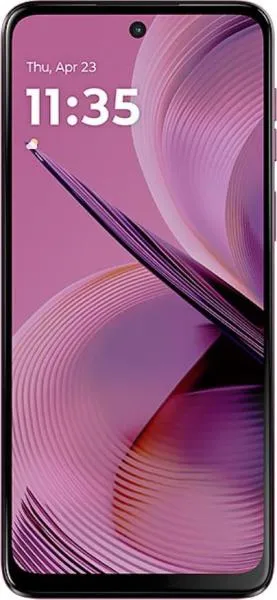
Xiaomi 14 Ultra vs. Motorola Moto G55: A Deep Dive
Let's dissect the Xiaomi 14 Ultra and the Motorola Moto G55, two 2024 smartphones occupying the "medium price" range, yet offering vastly different experiences. This in-depth comparison goes beyond the spec sheet, revealing what these numbers truly mean for you.
1. Specifications Breakdown
| Feature | Xiaomi 14 Ultra | Motorola Moto G55 | Real-World Implications |
|---|---|---|---|
| Design | |||
| Dimensions | 161.4 x 75.3 x 9.2 mm | 161.6 x 73.8 x 8.1 mm | Xiaomi is slightly narrower but thicker. Moto G55 might feel a bit more comfortable in some hands. |
| Weight | 229.5 g | 179 g | Xiaomi is noticeably heavier, potentially impacting one-handed use. |
| Build Materials | Not specified | Not specified | Build quality impacts durability and premium feel; this information is missing. |
| Display | |||
| Size | 6.73 inches | 6.49 inches | Xiaomi offers a larger screen for more immersive content consumption. |
| Type | LTPO AMOLED, 120Hz, Dolby Vision, HDR10+ | IPS LCD, 120Hz | Xiaomi's AMOLED delivers superior contrast, deeper blacks, and vibrant colors. |
| Resolution | 1440 x 3200 | 1080 x 2400 | Xiaomi boasts a significantly sharper display with finer details. |
| Peak Brightness | 3000 nits | Not Specified | Xiaomi ensures exceptional outdoor visibility, even in direct sunlight. |
| Performance | |||
| Chipset | Snapdragon 8 Gen 3 | Mediatek Dimensity 7025 | Xiaomi's flagship processor delivers significantly faster performance for demanding tasks and games. |
| CPU | Octa-core (1x3.3 GHz Cortex-X4 & ...) | Octa-core (2x2.5 GHz ...) | Xiaomi's CPU architecture provides a substantial performance advantage. |
| GPU | Adreno 750 | IMG BXM-8-256 | Xiaomi offers superior graphics processing for smoother gaming and faster rendering. |
| RAM | 16GB | 8GB | Xiaomi's double the RAM enables smoother multitasking and handling of large applications. |
| Storage | 512GB | 256GB | Xiaomi offers double the storage capacity. |
| Battery | |||
| Capacity | 5000 mAh | 5000 mAh | Both phones have the same battery capacity, but real-world battery life will depend on efficiency. |
2. Key Insights
Xiaomi 14 Ultra: This is a flagship-level device, packing top-tier specifications across the board. The Snapdragon 8 Gen 3, coupled with 16GB of RAM, promises blazing-fast performance. The brilliant AMOLED display with a 3000 nit peak brightness will be a treat for media consumption.
Motorola Moto G55: This phone focuses on delivering a solid user experience at a more accessible price point. While not as powerful as the Xiaomi, the 120Hz refresh rate ensures smooth scrolling and animations. The 5000 mAh battery is a strong point, promising all-day endurance.
Trade-offs: The Xiaomi 14 Ultra's superior performance and display come at a premium in weight and likely price. The Moto G55 compromises on raw power and display quality but likely offers a more affordable and lighter option. Missing details on the Moto G55's peak brightness and build materials make a complete comparison challenging.
3. User Profiles and Recommendations
Xiaomi 14 Ultra: Ideal for power users, gamers, content creators, and anyone demanding top-tier performance and a premium display.
Motorola Moto G55: Suitable for casual users, budget-conscious buyers, and those prioritizing battery life and a smooth user experience over peak performance.
4. Buying Decision Framework
- What is your budget? The Xiaomi 14 Ultra will likely command a significantly higher price.
- What is your primary use case? Gaming and demanding tasks favor the Xiaomi. Everyday use, social media, and light gaming might be fine with the Moto G55.
- Do you prioritize display quality and peak performance or battery life and affordability?
My Choice: Xiaomi 14 Ultra
While lacking specific pricing, assuming a "medium price" for both allows for a compelling argument for the 14 Ultra. As a tech journalist, I demand top-tier performance and appreciate the nuances of a brilliant display. The Xiaomi 14 Ultra's Snapdragon 8 Gen 3, ample RAM, and stunning AMOLED screen cater directly to my workflow. The extra weight is a minor trade-off for the substantial leap in capabilities. The Moto G55, while respectable for its category, simply doesn't offer the cutting-edge experience I crave. It's a solid budget option, but the 14 Ultra's superior technology aligns perfectly with my needs and preferences.
