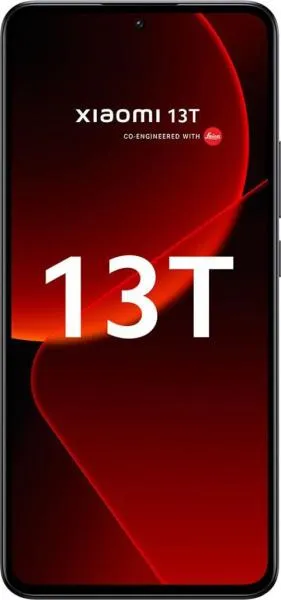

1. Specifications Comparison
| Feature | Xiaomi 13T | ZTE nubia Z60 Ultra | Practical Impact |
|---|---|---|---|
| Design | |||
| Dimensions | 162.2 x 75.7 x 8.5 mm | 164 x 76.4 x 8.8 mm | The Nubia is slightly larger and thicker. |
| Weight | 193g | 246g | Significant weight difference; the Nubia will feel noticeably heavier in hand. Xiaomi is more pocketable. |
| Display | |||
| Size | 6.67" | 6.8" | Nubia offers a slightly larger screen for more immersive content consumption. |
| Type | AMOLED, 68B colors, 144Hz | AMOLED, 1B colors, 120Hz | Xiaomi boasts a higher refresh rate (smoother animations) and significantly more color depth (richer, more accurate colors), though discerning the difference between 1B and 68B colors is challenging for the human eye. Dolby Vision and HDR10+ support on the Xiaomi also indicate potentially better HDR performance. |
| Resolution | 1220 x 2712 | 1116 x 2480 | Xiaomi has a sharper display due to higher pixel density (446 ppi vs 400 ppi). |
| Peak Brightness | 2600 nits | 1500 nits | The Xiaomi will be significantly brighter outdoors in direct sunlight. |
| Performance | |||
| Chipset | Mediatek Dimensity 8200 Ultra | Qualcomm Snapdragon 8 Gen 3 | Snapdragon 8 Gen 3 generally offers flagship-level performance, likely outperforming the Dimensity 8200 Ultra in demanding tasks and gaming. |
| CPU | Octa-core (1x3.1 GHz Cortex-A78 & 3x3.0 GHz Cortex-A78 & 4x2.0 GHz Cortex-A55) | Octa-core (1x3.3 GHz Cortex-X4 & 3x3.2 GHz Cortex-A720 & 2x3.0 GHz Cortex-A720 & 2x2.3 GHz Cortex-A520) | Snapdragon 8 Gen 3 has a more powerful CPU architecture. |
| GPU | Mali-G610 MC6 | Adreno 750 | Adreno 750 generally provides better gaming performance compared to the Mali-G610 MC6. |
| RAM | 12GB | 12GB | Both phones offer ample RAM for multitasking. |
| Storage | 256GB | 256GB | Equal storage capacity on both devices. |
| Battery | |||
| Capacity | 5000 mAh | 6000 mAh | The Nubia has significantly larger battery capacity, likely translating to longer battery life. |
| Camera | |||
| Video Capabilities | 4K@30/60/120fps, 1080p@30/60/120fps (HDR, EIS) | 8K@30fps, 4K@30/60/120fps, 1080p@30/60fps (HDR, EIS) | Nubia offers 8K video recording, although its practical use is limited by storage space and playback compatibility. Both offer good stabilization (EIS) and HDR. No detailed camera sensor specifications are available for comprehensive comparison. |
2. Key Differences Analysis
Xiaomi 13T Advantages:
- Superior Display: Brighter, sharper, smoother, and with better color accuracy thanks to the 144Hz refresh rate, higher resolution, and Dolby Vision/HDR10+ support.
- Lighter and More Compact: More comfortable for one-handed use and pocket portability.
ZTE nubia Z60 Ultra Advantages:
- More Powerful Processor: Snapdragon 8 Gen 3 offers top-tier performance for demanding tasks and gaming.
- Larger Battery: Significantly larger battery capacity for extended usage.
- 8K Video Recording: Offers higher resolution video recording, though practical benefits might be limited.
Trade-offs:
- The Nubia's larger battery and powerful processor come at the cost of increased weight and size.
- The Xiaomi prioritizes display quality and portability but might compromise on processing power and battery life.
3. User Profiles & Recommendations
Xiaomi 13T: Suitable for users who prioritize a vibrant and smooth display, portability, and value for money. Ideal for media consumption, web browsing, and moderate gaming.
ZTE nubia Z60 Ultra: Best suited for power users who demand top-tier performance for demanding games, multitasking, and content creation. Also a good choice for users who prioritize long battery life.
4. Decision Framework
Key Questions:
- What is your budget? Both are mid-range, but slight price differences might exist.
- What are your primary use cases? (Gaming, media consumption, productivity)
- Do you prioritize portability and display quality or performance and battery life?
Scenario-based Recommendations:
- Heavy gamer: ZTE nubia Z60 Ultra
- Frequent traveler: Xiaomi 13T (lighter and potentially longer battery life due to lower power consumption of the display)
- Media enthusiast: Xiaomi 13T (superior display)
My Choice: Xiaomi 13T
While the ZTE Nubia Z60 Ultra boasts a powerful processor and larger battery, the Xiaomi 13T's significantly superior display, lighter weight, and more compact form factor are more appealing to me. I prioritize a comfortable in-hand experience and a visually stunning display for media consumption and everyday use. The Dimensity 8200 Ultra is still a powerful chip capable of handling most tasks with ease, and the potential trade-off in processing power is worthwhile for the significant gains in display quality and portability. The much higher peak brightness is crucial for outdoor usability. Finally, the less demanding hardware in the Xiaomi 13T likely translates into better battery life per mAh, somewhat offsetting the difference in battery capacity.
