1. Specifications Comparison
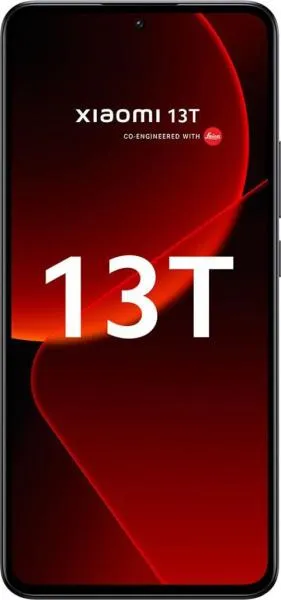
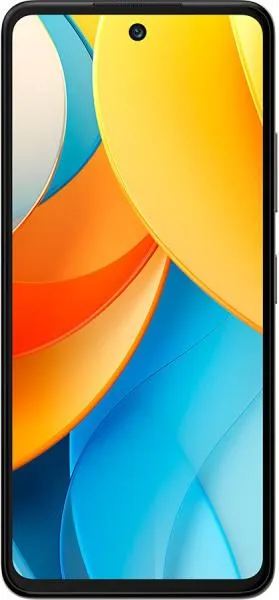
| Feature | Xiaomi 13T | ZTE Blade V60 Design | Practical Impact |
|---|---|---|---|
| Design | |||
| Dimensions (mm) | 162.2 x 75.7 x 8.5 | 164.2 x 75.3 x 8.6 | Almost identical in size, negligible difference in daily use. |
| Weight (g) | 193 | 198 | Negligible weight difference. |
| Fingerprint Sensor | Under Display | Side-mounted | Personal preference; under-display feels more modern, side-mounted can be faster. |
| Display | |||
| Display Type | AMOLED, 68B colors | IPS LCD | Xiaomi offers significantly better contrast, color accuracy, and deeper blacks. |
| Display Size (inches) | 6.67 | 6.6 | Negligible size difference. |
| Resolution | 1220 x 2712 | 720 x 1612 | Xiaomi boasts much sharper visuals due to higher resolution. ZTE's display will appear pixelated in comparison. |
| Refresh Rate (Hz) | 144 | 90 | Xiaomi provides a noticeably smoother experience in scrolling and animations. |
| Peak Brightness (nits) | 2600 | Not specified | Xiaomi's display will be far more visible in direct sunlight. Missing spec for ZTE limits comparison. |
| Performance | |||
| Chipset | Mediatek Dimensity 8200 Ultra (4 nm) | Unisoc T606 (12 nm) | Xiaomi's processor is significantly more powerful, resulting in faster app loading, smoother multitasking, and better gaming performance. |
| CPU | Octa-core (1x3.1 GHz Cortex-A78 & 3x3.0 GHz Cortex-A78 & 4x2.0 GHz Cortex-A55) | Octa-core (2x1.6 GHz Cortex-A75 & 6x1.6 GHz Cortex-A55) | Xiaomi offers superior CPU performance due to faster clock speeds and more powerful cores. |
| GPU | Mali-G610 MC6 | Mali-G57 MP1 | Xiaomi's GPU provides a significantly better gaming and graphics-intensive task experience. |
| RAM | 12GB | 6GB | Xiaomi offers double the RAM, enabling smoother multitasking and preventing app closures in the background. |
| Storage | 256GB | 256GB | Equal storage capacity. |
| Camera | |||
| Video Capabilities | 4K@30fps (HDR, EIS), various other options | 1080p@30fps | Xiaomi offers superior video recording capabilities with higher resolution, HDR, and EIS. Lack of detailed ZTE specs limits full comparison. |
| Battery | |||
| Capacity (mAh) | 5000 | 5000 | Equal battery capacity, though real-world battery life will depend on other factors like display and processor efficiency. |
2. Key Differences Analysis
Xiaomi 13T Advantages:
- Significantly superior performance: The Dimensity 8200 Ultra outclasses the Unisoc T606 in all aspects, leading to a smoother and faster user experience.
- Much better display: The high-resolution AMOLED with a 144Hz refresh rate offers vibrant colors, deep blacks, and incredibly smooth visuals.
- Enhanced camera capabilities: Offers 4K recording, HDR and EIS for superior video quality.
ZTE Blade V60 Design Advantages:
- Lower price: Belonging to a lower price range, it offers a budget-friendly option.
3. User Profiles & Recommendations
Xiaomi 13T: Ideal for users who prioritize performance, a high-quality display, and smooth multitasking. Suitable for gamers, power users, and those who consume multimedia content.
ZTE Blade V60 Design: Best suited for budget-conscious users who prioritize basic functionality over high-end features. Suitable for light users who primarily use their phones for calling, texting, and browsing.
4. Decision Framework
Key Questions for Buyers:
- What is your budget? The ZTE is significantly cheaper.
- What are your primary phone usage patterns? For demanding tasks, the Xiaomi is far superior. For basic use, the ZTE might suffice.
- How important is display quality and performance? The Xiaomi significantly outperforms the ZTE in these areas.
Scenario-Based Recommendations:
- Limited budget, basic usage: ZTE Blade V60 Design
- Prioritize performance and display, willing to spend more: Xiaomi 13T
My Choice: Xiaomi 13T
While the ZTE Blade V60 Design offers a budget-friendly option, the Xiaomi 13T provides a vastly superior user experience due to its significantly more powerful processor, stunning AMOLED display with 144Hz refresh rate, and better camera features. The difference in performance and display quality alone justifies the higher price for most users, making the Xiaomi 13T a much more compelling choice. The improved video recording capabilities further solidify its position as the better overall device. The ZTE's lower price point might be attractive, but the compromises in performance and display would significantly impact daily usage.
