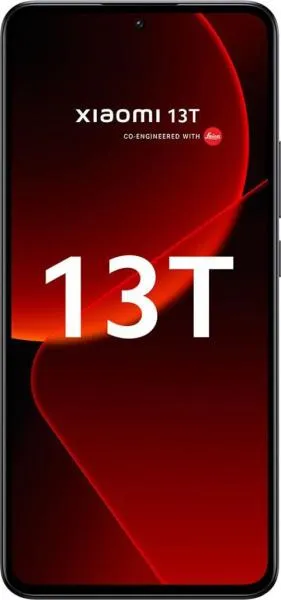
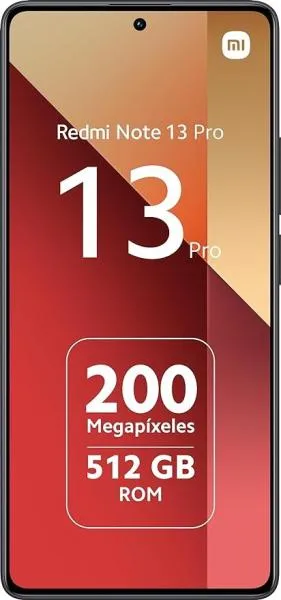
1. Specifications Comparison
| Feature | Xiaomi 13T | Xiaomi Redmi Note 13 Pro 4G | Practical Impact |
|---|---|---|---|
| Design | |||
| Dimensions (mm) | 162.2 x 75.7 x 8.5 | 161.1 x 75 x 8 | Virtually identical in size and feel. |
| Weight (g) | 193 | 188 | Negligible weight difference in real-world usage. |
| Display | |||
| Size (inches) | 6.67 | 6.67 | Same screen size. |
| Type | AMOLED, 68B colors, 144Hz | AMOLED, 1B colors, 120Hz | 13T offers significantly smoother scrolling and animations due to the higher refresh rate and potentially more vibrant colors. Note 13 Pro's color information is unclear ("1B colors" is likely an error). |
| Resolution | 1220 x 2712 | 1080 x 2400 | 13T has a sharper display with higher pixel density (446 ppi vs 395 ppi), resulting in clearer text and images. |
| Peak Brightness (nits) | 2600 | 1300 | 13T's display will be significantly brighter and more visible in direct sunlight. |
| Performance | |||
| Chipset | Mediatek Dimensity 8200 Ultra (4 nm) | Mediatek Helio G99 Ultra | 8200 Ultra is a significantly more powerful chipset, offering much better performance in demanding tasks like gaming and multitasking. |
| CPU | Octa-core (1x3.1 GHz Cortex-A78 & 3x3.0 GHz Cortex-A78 & 4x2.0 GHz Cortex-A55) | Octa-core (2x2.2 GHz Cortex-A76 & 6x2.0 GHz Cortex-A55) | 13T's CPU architecture is newer and more powerful, translating to faster app loading, smoother performance, and better responsiveness. |
| GPU | Mali-G610 MC6 | Mali-G57 MC2 | 13T offers superior graphics performance for gaming and other visually intensive tasks. |
| RAM | 12GB | 8GB/12GB | 12GB RAM on the 13T enables better multitasking and smoother performance with multiple apps open. |
| Storage | 256GB | 256GB/512GB | Note 13 Pro offers a 512GB storage option for users needing more space. |
| Camera | |||
| Video Capabilities | 4K@30fps (HDR, EIS), 1080p@ various fps (HDR, EIS) | 1080p@30/60fps | 13T offers 4K video recording and Electronic Image Stabilization (EIS) at various resolutions and frame rates, indicating superior video recording capabilities. Detailed camera specs are missing for both phones, limiting a full comparison. |
| Battery | |||
| Capacity (mAh) | 5000 | 5000 | Same battery capacity, but real-world battery life will depend on software optimization and usage patterns. |
| Software | |||
| OS | Android 13 | Android 13 | Both phones launch with Android 13. |
| Max OS Version | 17 | 16 | 13T will likely receive longer software updates and security patches. |
2. Key Differences Analysis
Xiaomi 13T Advantages:
- Significantly better performance: The Dimensity 8200 Ultra chipset and superior GPU offer a noticeably smoother and faster user experience, especially for gaming and demanding tasks.
- Superior Display: Higher resolution, refresh rate, and peak brightness result in a sharper, smoother, and more vibrant viewing experience.
- Better Video Recording: Offers 4K recording and EIS across multiple resolutions and framerates.
- Longer Software Support: Expected to receive updates for a longer period.
Xiaomi Redmi Note 13 Pro 4G Advantages:
- Potentially Lower Price: Typically Redmi Note series phones are more budget-friendly.
- Larger Storage Option: Offers a 512GB variant for users needing ample storage.
- Slightly Lighter: Though the difference is negligible in practice.
Trade-offs:
- The Redmi Note 13 Pro 4G sacrifices performance and display quality for a potentially lower price.
- The Xiaomi 13T may come at a premium price compared to the Redmi Note.
3. User Profiles & Recommendations
Xiaomi 13T: Ideal for users who prioritize performance, a high-quality display, and longer software updates. Suitable for gamers, power users, and those who consume a lot of media.
Xiaomi Redmi Note 13 Pro 4G: Suitable for budget-conscious users who prioritize basic smartphone functionality and ample storage. Good for casual users who mainly use their phone for communication, social media, and light browsing.
4. Decision Framework
Key Questions for Buyers:
- What is your budget? The 13T will likely be more expensive.
- What are your primary smartphone usage patterns? Gamers and power users will appreciate the 13T's performance.
- How important is display quality and longevity (software updates)? The 13T excels in these areas.
Scenario-Based Recommendations:
- Gamer: Xiaomi 13T
- Budget-conscious user: Xiaomi Redmi Note 13 Pro 4G
- Photographer/Videographer: Xiaomi 13T (assuming better camera hardware based on the available video capabilities)
My Choice: Xiaomi 13T
Reasoning: The Xiaomi 13T offers a significant performance advantage and a superior display, which are crucial for a smooth and enjoyable user experience in the long run. The longer software support also ensures the phone remains up-to-date and secure for a longer period. While potentially more expensive, the 13T's benefits in performance, display, and longevity outweigh the price difference for me. The Redmi Note 13 Pro 4G's advantages are less compelling in comparison. The potential for a lower price and larger storage option are outweighed by the significant differences in core functionalities. I value a smooth and responsive experience over marginal cost savings or slightly larger storage.
