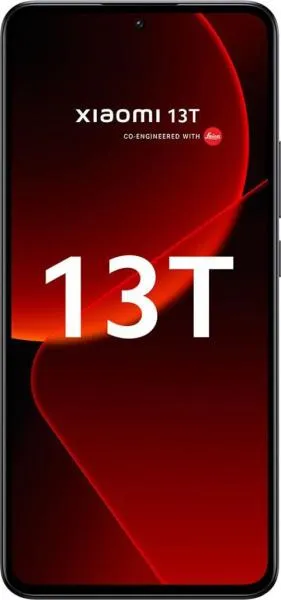
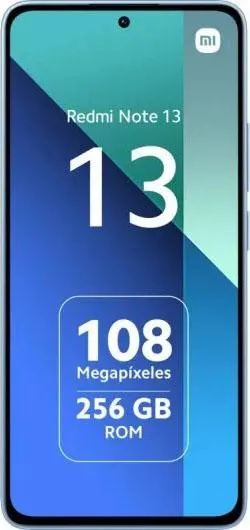
1. Specifications Comparison
| Feature | Xiaomi 13T | Xiaomi Redmi Note 13 4G | Practical Impact |
|---|---|---|---|
| Design | |||
| Dimensions | 162.2 x 75.7 x 8.5 mm | 162.3 x 75.6 x 8 mm | Virtually identical dimensions; negligible difference in hand feel. |
| Weight | 193g | 188.5g | Redmi Note 13 4G is slightly lighter, but the difference is minimal. |
| Display | |||
| Size | 6.67" | 6.67" | Identical screen size. |
| Type | AMOLED, 68B colors, 144Hz | AMOLED, 120Hz | 13T boasts significantly more color depth and smoother animations/scrolling due to the higher refresh rate. Redmi Note 13's display will still be vibrant, but less responsive and visually impressive. |
| Resolution | 1220 x 2712 | 1080 x 2400 | 13T has a sharper display with significantly higher pixel density (446 PPI vs 395 PPI), resulting in clearer text and images. |
| Peak Brightness | 2600 nits | 1800 nits | 13T offers superior outdoor visibility in direct sunlight. |
| Performance | |||
| Chipset | Mediatek Dimensity 8200 Ultra (4nm) | Qualcomm Snapdragon 685 (6nm) | 13T's Dimensity 8200 Ultra significantly outperforms the Snapdragon 685 in processing power and graphics performance, leading to smoother multitasking, faster app loading, and better gaming capabilities. |
| CPU | Octa-core (1x3.1 GHz & 3x3.0 GHz...) | Octa-core (4x2.8 GHz & 4x1.9 GHz...) | 13T offers superior CPU performance due to higher clock speeds and more powerful core architecture. |
| GPU | Mali-G610 MC6 | Adreno 610 | 13T's GPU provides a significant advantage in gaming and graphically demanding tasks. |
| RAM | 12GB | 8GB | 13T's larger RAM enables better multitasking and smoother performance with demanding applications. |
| Camera | |||
| Video Capabilities | 4K@30fps, 1080p@120fps, HDR, EIS | 1080p@30fps | 13T offers superior video recording capabilities with higher resolution, frame rates, HDR, and EIS. No information on Redmi Note 13's camera sensor. |
| Battery | |||
| Capacity | 5000 mAh | 5000 mAh | Identical battery capacity. Real-world battery life will depend on usage and software optimization. 13T's more powerful processor might consume more power. |
| Software | |||
| OS | Android 13 | Android 13 | Both phones launch with the same OS version but may have different custom UI implementations. 13T has a longer promised software update lifecycle (Android 17 vs. 16). |
2. Key Differences Analysis
Xiaomi 13T Advantages:
- Significantly more powerful: Dimensity 8200 Ultra, higher RAM, superior GPU for demanding tasks and gaming.
- Superior display: Higher resolution, refresh rate, color depth, and peak brightness.
- Better video recording: 4K resolution, higher frame rates, HDR, and EIS.
- Longer software support: Guaranteed updates to Android 17.
Xiaomi Redmi Note 13 4G Advantages:
- Slightly lighter: Minimal difference in weight might be noticeable for some users.
- Potentially lower price: Although both are mid-range, the Redmi Note series generally aims for a lower price point.
3. User Profiles & Recommendations
Xiaomi 13T: Users who prioritize performance, a high-quality display, and future-proof software updates. Ideal for gamers, power users, and content creators.
Xiaomi Redmi Note 13 4G: Budget-conscious users who prioritize basic functionality and a long-lasting battery. Suitable for casual users, social media browsing, and light gaming.
4. Decision Framework
Key Questions:
- What is your budget? The Redmi Note 13 4G is likely to be more affordable.
- What are your primary use cases? Gaming, content creation, or everyday tasks?
- How important is future-proofing and software updates?
Scenario-Based Recommendations:
- Gamer: Xiaomi 13T
- Casual user: Redmi Note 13 4G (if price is a major concern) or 13T (if display and future updates are prioritized)
- Content creator: Xiaomi 13T
My Choice: Xiaomi 13T
The Xiaomi 13T is the clear winner for me. While potentially more expensive, the significant performance advantage, superior display, and longer software support justify the investment. The Dimensity 8200 Ultra, coupled with 12GB RAM, ensures smooth performance for demanding tasks and future-proofs the device. The 144Hz AMOLED display with Dolby Vision and HDR10+ promises a visually stunning experience. Although battery life comparisons require real-world testing, the potential trade-off is acceptable considering the overall performance gains. The Redmi Note 13 4G might be a good option for extremely budget-conscious buyers who only need basic smartphone functionality. However, for a truly satisfying and long-lasting user experience, the 13T is the better choice.
