1. Specifications Comparison
| Feature | Category | Xiaomi 13T | Xiaomi Redmi A3x | Practical Impact |
|---|---|---|---|---|
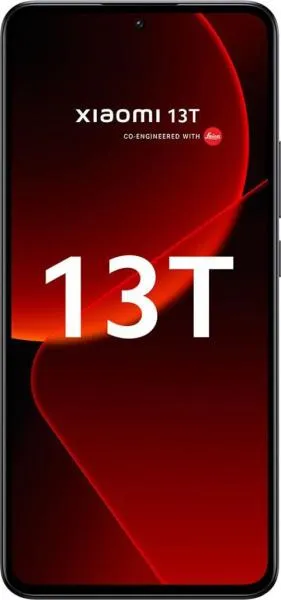
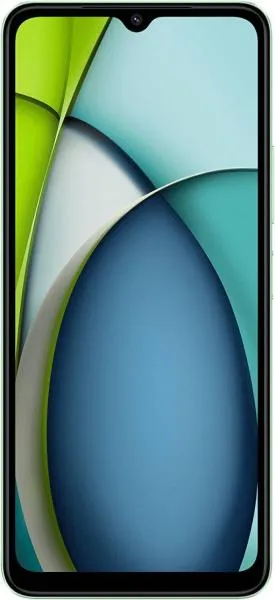
| Dimensions | Design | 162.2 x 75.7 x 8.5 mm | 168.4 x 76.3 x 8.3 mm | The Redmi A3x is slightly larger and may feel less comfortable in smaller hands. |
| Weight | Design | 193g | 193g | Both phones have the same weight. |
| Display Type | Display | AMOLED, 68B colors, 144Hz | IPS LCD, 90Hz | The 13T's AMOLED offers significantly better contrast, wider color gamut (more vibrant colors), and faster refresh rate for smoother animations. |
| Resolution | Display | 1220 x 2712 | 720 x 1650 | The 13T has a much sharper display, resulting in clearer text and images. |
| Peak Brightness | Display | 2600 nits | 500 nits (unspecified if typical or peak) | The 13T will be far more visible in direct sunlight. The Redmi's lower brightness may hinder outdoor usability. |
| Refresh Rate | Display | 144Hz | 90Hz | The 13T provides a smoother, more responsive user experience, especially noticeable in gaming and scrolling. |
| Chipset | Performance | Mediatek Dimensity 8200 Ultra (4 nm) | Unisoc T603 (22 nm) | The 13T offers significantly faster processing power, enabling demanding gaming, multitasking, and faster app loading. |
| CPU | Performance | Octa-core (1x3.1 GHz Cortex-A78 & 3x3.0 GHz Cortex-A78 & 4x2.0 GHz Cortex-A55) | Octa-core 1.8 GHz | More detailed CPU information for the 13T reveals its superior performance capabilities compared to the A3x. |
| GPU | Performance | Mali-G610 MC6 | 8 (Unspecified details) | The 13T's GPU will deliver much better gaming performance and smoother graphics rendering. The lack of detail for the A3x limits direct comparison. |
| RAM | Performance | 12GB | 4GB | The 13T's larger RAM allows for seamless multitasking and keeps more apps running in the background. |
| Storage | Performance | 256GB | 128GB | Double the storage on the 13T allows for storing more apps, photos, and videos. |
| Battery Capacity | Battery | 5000 mAh | 5000 mAh | Both phones have the same battery capacity, but real-world battery life will depend on factors like display type and processor efficiency. |
| OS | Software | Android 13 | Android 14 | The Redmi A3x ships with a newer Android version out of the box. |
| NFC | Connectivity | Yes | No | The 13T supports contactless payments and other NFC functionalities, while the Redmi A3x does not. |
2. Key Differences Analysis
Xiaomi 13T Advantages:
- Significantly more powerful: The Dimensity 8200 Ultra vastly outperforms the Unisoc T603, providing a smoother and more responsive experience across all tasks.
- Superior Display: The AMOLED display with a 144Hz refresh rate and high brightness delivers vibrant colors, deep blacks, and incredibly smooth visuals.
- More RAM and Storage: Handles multitasking better and stores more data.
Xiaomi Redmi A3x Advantages:
- Lower Price: Belongs to a lower price range, making it more budget-friendly.
- Newer Android Version (Initially): Ships with Android 14, although long-term software updates are uncertain.
Trade-offs:
- The Redmi A3x sacrifices performance, display quality, and features like NFC for a lower price point.
3. User Profiles & Recommendations
Xiaomi 13T: Ideal for users who prioritize performance, a high-quality display, and features like NFC. Suitable for demanding tasks like gaming, content creation, and multitasking.
Xiaomi Redmi A3x: Suitable for budget-conscious users who primarily use their phone for basic tasks like calling, texting, web browsing, and social media. Not recommended for gaming or demanding applications.
4. Decision Framework
Key Questions for Buyers:
- What is your budget? The Redmi A3x is significantly cheaper.
- What are your primary phone usage patterns? Gaming and heavy multitasking favor the 13T.
- How important is display quality? The 13T's AMOLED display is vastly superior.
Scenario-Based Recommendations:
- Gamer: Xiaomi 13T
- Budget-conscious user: Xiaomi Redmi A3x
- Power User: Xiaomi 13T
My Choice: Xiaomi 13T
While the Redmi A3x is more affordable, the Xiaomi 13T offers a vastly superior user experience due to its significantly better performance, stunning display, and additional features like NFC. The difference in price is justified by the substantial upgrade in almost every aspect. For my needs, a smooth and responsive phone with a great display is paramount, making the 13T the clear winner. The long-term value proposition of the 13T, considering its superior hardware, makes it a more worthwhile investment.
