1. Specifications Comparison
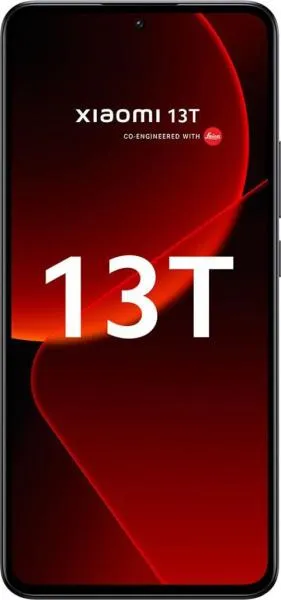
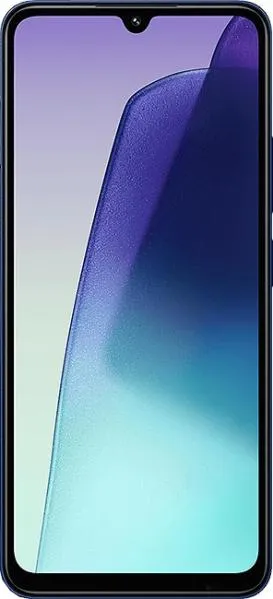
| Feature | Xiaomi 13T | Xiaomi Redmi 14C | Practical Impact |
|---|---|---|---|
| Design | |||
| Dimensions (mm) | 162.2 x 75.7 x 8.5 | 171.9 x 77.8 x 8.2 | The 13T is noticeably smaller and slightly thinner, making it more pocketable and easier to handle. |
| Weight (g) | 193 | 211 | The 13T is significantly lighter, reducing hand fatigue during extended use. |
| Build Materials | Missing | Missing | Material choice impacts durability and premium feel; this information is missing. |
| Fingerprint Sensor | Under-display | Side-mounted | Personal preference; under-display is often perceived as more modern. |
| Display | |||
| Display Type | AMOLED, 68B colors | IPS LCD | The 13T's AMOLED offers significantly better contrast, deeper blacks, and more vibrant colors. |
| Display Size (inches) | 6.67 | 6.88 | The 14C has a slightly larger screen, providing more screen real estate but potentially impacting one-handed usability. |
| Resolution | 1220 x 2712 | 720 x 1640 | The 13T boasts a much sharper display with significantly higher pixel density (446 ppi vs 260 ppi), resulting in crisper text and images. |
| Refresh Rate (Hz) | 144 | 120 | The 13T's higher refresh rate will result in smoother animations and scrolling, especially noticeable in gaming and fast-paced content consumption. |
| Peak Brightness (nits) | 2600 | 600 | The 13T's drastically higher peak brightness ensures excellent outdoor visibility even in direct sunlight, while the 14C may struggle. |
| Performance | |||
| Chipset | Mediatek Dimensity 8200 Ultra (4 nm) | Mediatek Helio G81 Ultra | The 8200 Ultra is a significantly more powerful chipset, enabling smoother multitasking, faster app loading, and better gaming performance. |
| CPU | Octa-core (1x3.1 GHz Cortex-A78 & 3x3.0 GHz Cortex-A78 & 4x2.0 GHz Cortex-A55) | Octa-core (2x2.0 GHz Cortex-A75 & 6x1.8 GHz Cortex-A55) | The 13T has a more powerful CPU architecture, contributing to its superior overall performance. |
| GPU | Mali-G610 MC6 | Mali-G52 MC2 | The 13T has a more powerful GPU, leading to better gaming and graphics-intensive task performance. |
| RAM | 12GB | 6GB/8GB | The 13T offers more RAM, ensuring smoother multitasking and preventing apps from closing in the background. |
| Camera | |||
| Rear Camera Specs | Missing | Missing | Camera quality is crucial; lack of detailed specs makes comparison impossible. |
| Video Capabilities | 4K@30fps (HDR, EIS), 1080p@ various fps (HDR, EIS) | 1080p@30fps | The 13T offers 4K video recording and higher frame rate options with image stabilization, enabling superior video quality. |
| Battery | |||
| Capacity (mAh) | 5000 | 5160 | The 14C has a slightly larger battery capacity, but real-world battery life depends on optimization and power consumption of other components. |
| Charging Speed | Missing | Missing | Charging speed significantly impacts usability; this information is missing. |
2. Key Differences Analysis
Xiaomi 13T Advantages:
- Significantly superior performance: The Dimensity 8200 Ultra, coupled with 12GB RAM, provides a much smoother and faster user experience across all tasks.
- Much better display: The AMOLED with higher resolution, refresh rate, and peak brightness significantly enhances visual quality and outdoor usability.
- More compact and lighter design: Easier to handle and carry.
- Superior video recording capabilities: 4K recording and higher frame rates offer better video quality.
Xiaomi Redmi 14C Advantages:
- Slightly larger battery: Potentially longer battery life, although real-world usage will vary.
- Potentially lower price: Given the lower specs, it's likely more affordable.
3. User Profiles & Recommendations
Xiaomi 13T: Users who prioritize performance, a high-quality display, and a premium feel. Suitable for demanding tasks like gaming, content creation, and multitasking.
Xiaomi Redmi 14C: Budget-conscious users who prioritize basic functionality and a large screen. Suitable for casual usage like browsing, social media, and light gaming.
4. Decision Framework
Key Questions:
- What is your budget? The 14C is likely more affordable.
- What are your primary use cases? Demanding tasks favor the 13T; basic usage favors the 14C.
- How important is display quality and performance? The 13T excels in these areas.
My Choice: Xiaomi 13T
While missing some information (camera details, build materials, charging speeds), the Xiaomi 13T is the clear winner for me. The superior processor, significantly better display, and more compact form factor outweigh the slightly larger battery of the 14C. I prioritize a smooth and responsive user experience, excellent visuals, and a comfortable phone to hold, all of which the 13T delivers based on the available specifications. The 14C seems like a decent budget option, but the performance and display compromises are too significant for my personal preferences.
