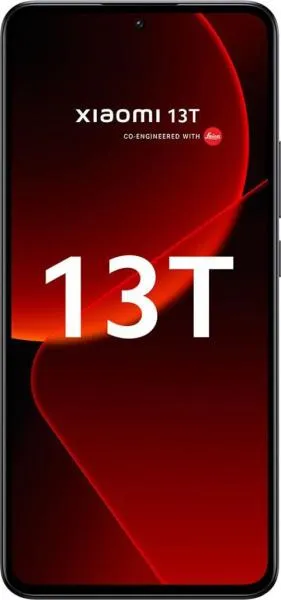
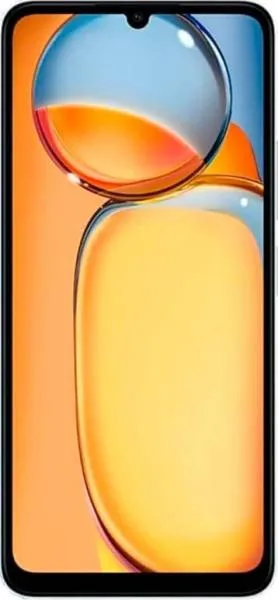
1. Specifications Comparison
| Feature | Xiaomi 13T | Xiaomi Redmi 13C | Practical Impact |
|---|---|---|---|
| Design | |||
| Dimensions (mm) | 162.2 x 75.7 x 8.5 | 168 x 78 x 8.1 | 13T is slightly smaller and thinner, potentially more comfortable for one-handed use. |
| Weight (g) | 193 | 192 | Negligible weight difference. |
| Fingerprint Sensor | Under display | Side-mounted | Personal preference; under-display is often considered more modern. |
| Display | |||
| Display Type | AMOLED, 68B colors | IPS LCD | 13T offers significantly better contrast, color accuracy, and deeper blacks due to AMOLED technology. |
| Display Size (inches) | 6.67 | 6.74 | Redmi 13C has a slightly larger screen. |
| Resolution | 1220 x 2712 | 720 x 1600 | 13T boasts a much sharper display with significantly higher pixel density (446 ppi vs 260 ppi), resulting in crisper text and images. |
| Refresh Rate (Hz) | 144 | 90 | 13T's higher refresh rate provides smoother animations and scrolling, especially noticeable in games and fast-paced content. |
| Peak Brightness (nits) | 2600 | 600 | 13T will be far more visible in direct sunlight. |
| Performance | |||
| Chipset | Mediatek Dimensity 8200 Ultra (4 nm) | Mediatek Helio G85 (12 nm) | 13T's 8200 Ultra is significantly more powerful, enabling smoother multitasking, faster app loading, and better gaming performance. The 4nm process also suggests better power efficiency. |
| CPU | Octa-core (1x3.1 GHz Cortex-A78 & 3x3.0 GHz Cortex-A78 & 4x2.0 GHz Cortex-A55) | Octa-core (2x2.0 GHz Cortex-A75 & 6x1.8 GHz Cortex-A55) | 13T's CPU architecture and higher clock speeds translate to a noticeable performance advantage in demanding tasks. |
| GPU | Mali-G610 MC6 | Mali-G52 MC2 | 13T's GPU is considerably more powerful, delivering a much better gaming experience and handling graphics-intensive tasks more efficiently. |
| RAM/Storage | 256GB/12GB RAM | 128GB/6GB RAM, 256GB/8GB RAM | 13T offers more RAM in the compared variant, improving multitasking and overall responsiveness. |
| Camera | |||
| Video Capabilities | 4K@30fps (HDR, EIS), 1080p@ various fps (HDR, EIS) | 1080p@30fps | 13T offers superior video recording capabilities with 4K resolution, HDR, and Electronic Image Stabilization (EIS) for smoother footage. Lack of detail on Redmi 13C camera makes full comparison impossible. |
| Battery | |||
| Capacity (mAh) | 5000 | 5000 | Similar battery capacity. However, real-world battery life will depend on factors like display, processor efficiency, and usage patterns. |
2. Key Differences Analysis
Xiaomi 13T Advantages:
- Significantly superior performance: The Dimensity 8200 Ultra chipset, faster CPU and GPU, and more RAM provide a vastly smoother and faster user experience.
- Much better display: AMOLED technology, higher resolution, refresh rate, and peak brightness deliver a dramatically improved visual experience.
- More advanced video recording: 4K resolution, HDR, and EIS allow for higher quality video capture.
Xiaomi Redmi 13C Advantages:
- Lower price: Belongs to a lower price range, making it more budget-friendly.
- Slightly larger display: Offers marginally more screen real estate.
Trade-offs:
- The Redmi 13C sacrifices performance, display quality, and camera features for affordability.
- The 13T commands a higher price for its premium features.
3. User Profiles & Recommendations
Xiaomi 13T: Ideal for users who prioritize performance, a high-quality display, and smooth gaming. Suitable for demanding tasks, content creation, and mobile gaming.
Xiaomi Redmi 13C: Best suited for budget-conscious users with basic smartphone needs like calling, texting, browsing, and social media. Not recommended for demanding tasks or gaming.
4. Decision Framework
Key Questions:
- What is your budget? The Redmi 13C is significantly cheaper.
- What are your primary smartphone uses? The 13T is better for demanding tasks and gaming, while the Redmi 13C is sufficient for basic use.
- How important is display quality? The 13T offers a vastly superior visual experience.
Scenario-Based Recommendations:
- Tight Budget, Basic Use: Redmi 13C
- Moderate Budget, Balanced Needs: Consider other mid-range options, potentially leaning towards the 13T if display and performance are important.
- Performance and Display Focused: Xiaomi 13T
My Choice: Xiaomi 13T
Why? The significant improvements in performance, display quality, and overall user experience offered by the 13T outweigh the price difference for me. While the Redmi 13C is a budget-friendly option, the compromises in key areas like performance and display would negatively impact my daily usage. I prioritize a smooth, responsive experience and a visually appealing display, making the 13T the clear winner. The superior chipset and brighter, higher resolution AMOLED display are substantial upgrades that justify the higher cost in the long run.
