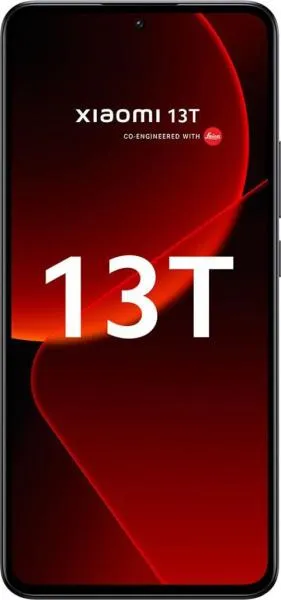
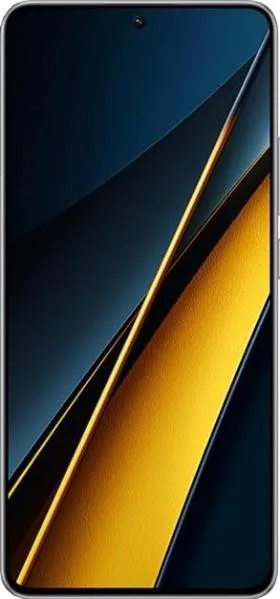
1. Specifications Comparison
| Feature | Xiaomi 13T | Xiaomi Poco X6 Pro | Practical Impact |
|---|---|---|---|
| Design | |||
| Dimensions | 162.2 x 75.7 x 8.5 mm | 160.5 x 74.3 x 8.3 mm | Poco X6 Pro is slightly smaller and thinner, potentially improving one-handed use. |
| Weight | 193g | 186g | Poco X6 Pro is slightly lighter, reducing hand fatigue during extended use. |
| Display | |||
| Size | 6.67" | 6.67" | Identical screen sizes. |
| Type | AMOLED, 68B colors, 144Hz, Dolby Vision, HDR10+ | AMOLED, 68B colors, 120Hz, HDR10+, Dolby Vision | Both offer vibrant displays with HDR support. The 13T's 144Hz refresh rate provides smoother animations and scrolling compared to the 120Hz on the Poco X6 Pro, especially noticeable in gaming. |
| Peak Brightness | 2600 nits | 1800 nits | The 13T can get significantly brighter, ensuring better visibility in direct sunlight. |
| Resolution | 1220 x 2712 | 1220 x 2712 | Identical resolutions, resulting in sharp visuals on both. |
| Performance | |||
| Chipset | Mediatek Dimensity 8200 Ultra | Mediatek Dimensity 8300 Ultra | Both are high-performance chipsets, but the newer Dimensity 8300 Ultra in the Poco X6 Pro is likely to offer slightly improved performance and efficiency. |
| CPU | Octa-core (1x3.1 GHz Cortex-A78 & 3x3.0 GHz Cortex-A78 & 4x2.0 GHz Cortex-A55) | Octa-core (1x3.35 GHz Cortex-A715 & 3x3.20 GHz Cortex-A715 & 4x2.20 GHz Cortex-A510) | The Poco X6 Pro utilizes newer Cortex-A715 cores, promising better performance per watt compared to the Cortex-A78 cores in the 13T. |
| GPU | Mali-G610 MC6 | Mali G615-MC6 | The Mali-G615 in the Poco X6 Pro should offer slightly improved graphics performance compared to the Mali-G610 in the 13T. |
| RAM | 12GB | 12GB | Both offer ample RAM for multitasking and demanding applications. |
| Storage | 256GB | 256GB/512GB | Poco X6 Pro offers a 512GB storage option, beneficial for users who store large files or install numerous apps. |
| Battery | |||
| Capacity | 5000 mAh | 5000 mAh | Identical battery capacities, suggesting similar battery life. |
| Software | |||
| OS | Android 13 | Android 14 | Poco X6 Pro ships with the newer Android version, offering potential feature and security advantages. |
| Camera | |||
| Video Capabilities | 4K@30fps (HDR, EIS), 1080p up to 120fps (HDR,EIS) | 4K@30fps (EIS), 1080p up to 60fps (EIS) | While both offer 4K recording, the 13T supports higher frame rates at 1080p (up to 120fps) and includes HDR video recording at various resolutions, resulting in smoother slow-motion footage and potentially better dynamic range in videos. Missing detailed camera specs limit a full comparison. |
2. Key Differences Analysis
Xiaomi 13T Advantages:
- Smoother Display: The 144Hz refresh rate provides a noticeably smoother user experience.
- Brighter Display: Significantly brighter screen for better outdoor visibility.
- Superior Video Recording: Offers HDR video and higher frame rate slow-motion.
Xiaomi Poco X6 Pro Advantages:
- Slightly improved performance: The newer Dimensity 8300 Ultra chipset and CPU architecture should deliver better performance and efficiency.
- More Storage Options: Offers a 512GB variant for users needing more storage.
- Newer OS: Ships with Android 14, potentially offering newer features and longer software support.
- Smaller and Lighter: Slightly more compact and lighter design.
3. User Profiles & Recommendations
Xiaomi 13T: Ideal for users who prioritize a smooth display experience, gaming, and excellent outdoor visibility. Also a good choice for those who record a lot of video.
Xiaomi Poco X6 Pro: Suitable for users who value overall performance, longer software updates, ample storage, and a compact form factor.
4. Decision Framework
Key Questions for Buyers:
- How important is display smoothness and brightness?
- Do you prioritize the latest software and potential performance gains?
- What is your budget and storage requirement?
Scenario-Based Recommendations:
- Gamer: Xiaomi 13T for its 144Hz display.
- Power User: Xiaomi Poco X6 Pro for its performance and larger storage option.
- Outdoor Enthusiast: Xiaomi 13T for its superior brightness.
My Choice: Xiaomi 13T
While the Poco X6 Pro boasts a slightly faster processor and newer Android version, the Xiaomi 13T's 144Hz refresh rate and significantly brighter display are decisive factors for me. The smoother scrolling and improved outdoor visibility enhance daily usage significantly. Additionally, the 13T's superior video recording capabilities, including HDR and higher frame rates at 1080p, are valuable features that I prioritize. The slight difference in processing power is unlikely to be noticeable in everyday tasks, and I'm willing to trade the newer Android version for the tangible benefits of the 13T's display and video features.
