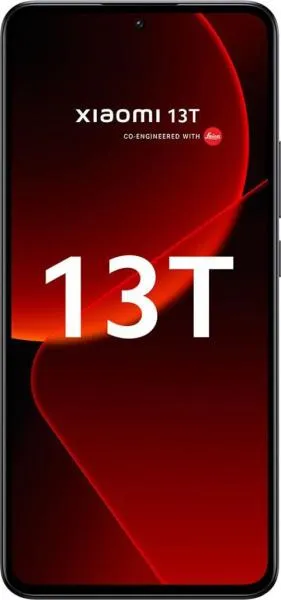
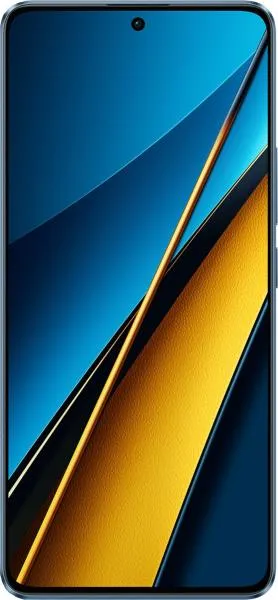
1. Specifications Comparison
| Feature | Xiaomi 13T | Xiaomi Poco X6 | Practical Impact |
|---|---|---|---|
| Design | |||
| Dimensions (mm) | 162.2 x 75.7 x 8.5 | 161.2 x 74.3 x 8.0 | Virtually identical in size; negligible real-world difference. |
| Weight (g) | 193 | 181 | The Poco X6 is noticeably lighter, improving one-handed use and reducing pocket fatigue. |
| Display | |||
| Size (inches) | 6.67 | 6.67 | Identical screen sizes. |
| Type | AMOLED, 144Hz | AMOLED, 120Hz | Both offer vibrant colors and deep blacks. The 13T's 144Hz offers smoother scrolling and animations, especially noticeable in gaming. |
| Peak Brightness (nits) | 2600 | 1800 | The 13T's significantly higher peak brightness ensures better visibility in direct sunlight. |
| Resolution | 1220 x 2712 | 1220 x 2712 | Identical resolution; sharpness and detail are comparable. |
| Performance | |||
| Chipset | Mediatek Dimensity 8200 Ultra | Qualcomm Snapdragon 7s Gen 2 | The Dimensity 8200 Ultra generally offers better performance, especially in demanding tasks and gaming, due to its higher clock speeds. |
| CPU | Octa-core (1x3.1 GHz A78 & 3x3.0 GHz A78 & 4x2.0 GHz A55) | Octa-core (4x2.40 GHz A78 & 4x1.95 GHz A55) | The 13T's CPU configuration suggests superior performance potential due to higher clock speed on the primary core. |
| GPU | Mali-G610 MC6 | Adreno 710 | Performance differences depend on specific tasks. The Adreno 710 generally has better driver optimization for some games. |
| RAM | 12GB | 12GB | Identical RAM capacity ensures smooth multitasking on both devices. |
| Storage | 256GB | 256GB/512GB | The Poco X6 offers a 512GB option for users needing more storage. |
| Camera | |||
| Video Capabilities | 4K@30fps (HDR, EIS), 1080p@ various fps (HDR, EIS) | 4K@30fps (EIS), 1080p@ various fps (EIS) | The 13T's video recording benefits from HDR, resulting in improved dynamic range and more vibrant colors in videos. Specific sensor details are missing to provide a complete comparison. |
| Sensors | accelerometer, gyro, proximity, compass, Fingerprint (under display), color spectrum | accelerometer, gyro, proximity, compass, Fingerprint (under display) | Both have standard sensors. The color spectrum sensor on the 13T might offer slightly more accurate color reproduction in photos, but real-world impact can be minimal. |
| Battery | |||
| Capacity (mAh) | 5000 | 5100 | The Poco X6 has a slightly larger battery, potentially offering slightly longer battery life. Real-world usage will significantly impact battery performance. |
2. Key Differences Analysis
Xiaomi 13T Advantages:
- Superior Display: Higher peak brightness and refresh rate provide a smoother and more visible experience, especially outdoors and in gaming.
- Potentially Better Performance: The Dimensity 8200 Ultra generally outperforms the Snapdragon 7s Gen 2, leading to faster app loading, smoother multitasking, and better gaming performance.
- HDR Video Recording: Offers more vibrant and dynamic videos compared to the Poco X6.
Xiaomi Poco X6 Advantages:
- Lighter Weight: More comfortable for extended use and one-handed operation.
- Larger Storage Option: The 512GB option caters to users with high storage demands.
- Potentially Longer Battery Life: The slightly larger battery capacity may translate to longer usage time.
3. User Profiles & Recommendations
Xiaomi 13T: Ideal for users who prioritize performance, a smooth and bright display, and HDR video recording. Suitable for gamers, power users, and those who consume a lot of media.
Xiaomi Poco X6: Suitable for users who value a lightweight phone, long battery life, and ample storage. Good for everyday users, social media enthusiasts, and those who prioritize comfort and affordability.
4. Decision Framework
Key Questions:
- What is your budget? (Consider the price difference between storage options for the Poco X6).
- What are your primary smartphone usage patterns? (Gaming, media consumption, photography, general use).
- Which features do you value most? (Performance, display quality, battery life, weight).
Scenario-based Recommendations:
- Gamer: Xiaomi 13T for its higher refresh rate and generally better performance.
- Photographer/Videographer: Xiaomi 13T for its HDR video capability (pending further camera spec details).
- Everyday User: Xiaomi Poco X6 if weight and battery life are paramount. Xiaomi 13T if a smoother, brighter display is preferred.
My Choice: Xiaomi 13T
While the Poco X6 offers a compelling combination of features, I would choose the Xiaomi 13T. The superior display (higher peak brightness and 144Hz refresh rate) and the more powerful Dimensity 8200 Ultra are significant advantages for my usage. I prioritize a smooth and responsive user experience, especially for gaming and media consumption, and the 13T delivers in those areas. The slightly heavier weight is a trade-off I'm willing to make for the performance and display benefits. The inclusion of HDR video recording is another plus. While the Poco X6 excels in lightness and potential battery life, the 13T's advantages align better with my personal preferences and usage patterns.
