1. Specifications Comparison
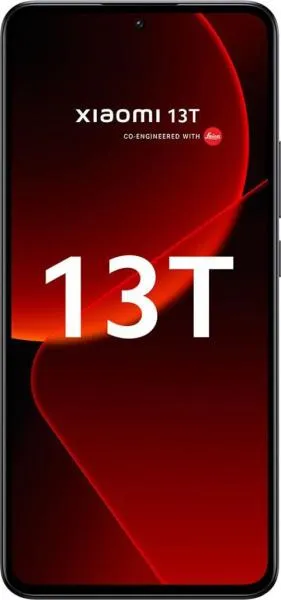
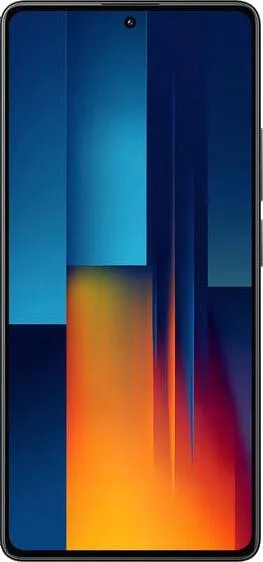
| Feature | Xiaomi 13T | Xiaomi Poco M6 Pro | Practical Impact |
|---|---|---|---|
| Design | |||
| Dimensions | 162.2 x 75.7 x 8.5 mm | 161.1 x 75 x 8 mm | Virtually identical in size and feel. |
| Weight | 193g | 179g | The Poco M6 Pro is noticeably lighter, reducing hand fatigue during extended use. |
| Build Materials | Not specified | Not specified | Cannot compare build quality and durability. |
| Display | |||
| Size | 6.67" | 6.67" | Same screen size. |
| Type | AMOLED, 68B colors, 144Hz, Dolby Vision, HDR10+ | AMOLED, 120Hz | The 13T offers a smoother visual experience with its 144Hz refresh rate, richer colors with 68B color depth, and support for Dolby Vision and HDR10+ for better dynamic range in supported content. |
| Resolution | 1220 x 2712 | 1080 x 2400 | Sharper and more detailed visuals on the 13T due to higher resolution. |
| Peak Brightness | 2600 nits | 1300 nits | The 13T will be significantly more visible in direct sunlight. |
| Performance | |||
| Chipset | Mediatek Dimensity 8200 Ultra (4 nm) | Mediatek Helio G99 Ultra | The 8200 Ultra in the 13T is a more powerful and efficient chip, resulting in smoother performance, better multitasking, and potentially longer battery life. |
| CPU | Octa-core (1x3.1 GHz Cortex-A78 & 3x3.0 GHz Cortex-A78 & 4x2.0 GHz Cortex-A55) | Octa-core (2x2.2 GHz Cortex-A76 & 6x2.0 GHz Cortex-A55) | The 13T has a more powerful CPU architecture, leading to faster app loading, smoother gaming, and better overall responsiveness. |
| GPU | Mali-G610 MC6 | Mali-G57 MC2 | The 13T boasts a significantly more capable GPU, delivering superior gaming performance and handling graphically demanding tasks with ease. |
| RAM | 12GB | 12GB | Same RAM capacity, enabling smooth multitasking on both devices. |
| Storage | 256GB | 512GB | The Poco M6 Pro offers double the storage, allowing for more apps, photos, and videos to be stored locally. |
| Camera | |||
| Rear Camera | Not specified | Not specified | Insufficient information to compare camera quality and features. |
| Video | 4K@30fps (HDR, EIS), 1080p up to 120fps (HDR, EIS) | 1080p@30/60fps (EIS) | 13T offers superior video recording capabilities with higher resolution (4K), frame rates (up to 120fps), and HDR support. |
| Battery | |||
| Capacity | 5000 mAh | 5000 mAh | Same battery capacity, suggesting similar potential battery life, although real-world usage will vary depending on other factors like the display and chipset. |
2. Key Differences Analysis
Xiaomi 13T Advantages:
- Significantly superior display: Higher resolution, refresh rate, peak brightness, wider color gamut, and HDR support result in a drastically better visual experience.
- Much more powerful performance: The Dimensity 8200 Ultra outclasses the Helio G99 in CPU and GPU performance, leading to a smoother and more responsive user experience across all tasks.
- Better video recording: Higher resolution, frame rates, and HDR support offer more flexibility and quality for video content creation.
Xiaomi Poco M6 Pro Advantages:
- Lighter weight: More comfortable for extended use.
- Double the storage: Allows for storing significantly more files locally.
3. User Profiles & Recommendations
Xiaomi 13T: Ideal for users who prioritize a premium display, smooth performance for demanding tasks like gaming or video editing, and high-quality video recording.
Xiaomi Poco M6 Pro: Suitable for users who prioritize affordability and ample storage space, and whose usage primarily involves everyday tasks like browsing, social media, and light gaming.
4. Decision Framework
Key Questions:
- What is your budget?
- What are your primary smartphone use cases? (Gaming, photography, video consumption, etc.)
- How important is display quality and overall performance to you?
Scenario-Based Recommendations:
- Gamer: Xiaomi 13T for its superior performance and smoother display.
- Casual User: Poco M6 Pro if budget is tight and ample storage is needed.
- Content Creator: Xiaomi 13T for its superior display and video recording capabilities.
My Choice: Xiaomi 13T
While the Poco M6 Pro offers more storage and a lighter weight, the Xiaomi 13T's significant advantages in display quality and performance are decisive factors for me. The superior visual experience, smoother gaming, and faster overall responsiveness provided by the 13T outweigh the benefits of the Poco M6 Pro. I prioritize a fluid and enjoyable user experience, and the 13T's powerful hardware and stunning display deliver on that front. The difference in weight is minor, and cloud storage solutions can mitigate the lower storage capacity of the 13T if needed. Ultimately, the 13T offers a more future-proof and premium experience.
