1. Specifications Comparison
| Feature | Xiaomi 13T | Xiaomi Poco M6 4G | Practical Impact |
|---|---|---|---|
| Design | |||
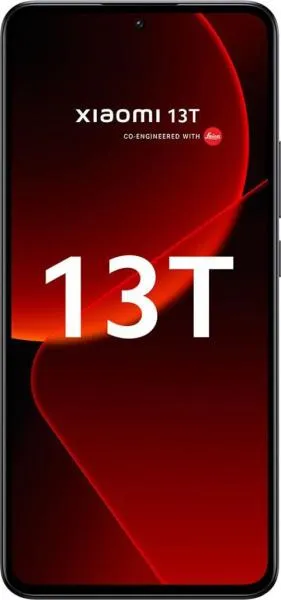
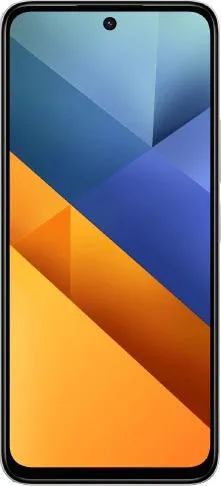
| Dimensions | 162.2x75.7x8.5mm | 168.6x76.3x8.3mm | The Poco M6 4G is noticeably taller and slightly wider. The 13T might feel more compact in hand. |
| Weight | 193g | 205g | The Poco M6 4G is slightly heavier, but the difference is minimal in real-world usage. |
| Build Materials | Missing | Missing | Build quality and durability are unclear for both devices due to lack of information. |
| Display | |||
| Display Type | AMOLED, 68B colors | IPS LCD | The 13T's AMOLED display offers significantly better contrast, deeper blacks, and potentially more vibrant colors. |
| Size | 6.67" | 6.79" | The Poco M6 4G has a slightly larger display, offering a marginally larger viewing area. |
| Resolution | 1220x2712 (144Hz) | 1080x2460 (90Hz) | The 13T has a sharper display with a higher resolution and refresh rate, resulting in smoother animations and scrolling, especially noticeable in games and fast-paced content. |
| Brightness | 2600 nits (peak) | 550 nits (HBM) | The 13T's significantly higher peak brightness ensures better visibility in direct sunlight. |
| Performance | |||
| Chipset | Mediatek Dimensity 8200 Ultra (4 nm) | Mediatek Helio G91 Ultra (12 nm) | The 13T's Dimensity 8200 Ultra is a significantly more powerful chipset, resulting in faster app loading, smoother multitasking, and better gaming performance. The 4nm process also implies better power efficiency. |
| CPU | Octa-core (1x3.1 GHz Cortex-A78 & 3x3.0 GHz Cortex-A78 & 4x2.0 GHz Cortex-A55) | Octa-core (2x2.0 GHz Cortex-A75 & 6x1.8 GHz Cortex-A55) | The 13T boasts a more powerful and modern CPU architecture, contributing to its overall performance advantage. |
| GPU | Mali-G610 MC6 | Mali-G52 MC2 | The Mali-G610 MC6 in the 13T offers superior graphics processing capabilities compared to the Poco M6 4G, resulting in a better gaming experience. |
| RAM | 12GB | 8GB | The 13T's larger RAM allows for more apps to run in the background and smoother multitasking. |
| Camera | |||
| Video Capabilities | 4K@30fps (HDR, EIS), 1080p various fps (HDR, EIS) | 1080p@30fps | The 13T offers superior video recording capabilities with 4K resolution, HDR, and Electronic Image Stabilization (EIS) for smoother footage. Details about the Poco M6 4G's camera specifications are lacking, making a thorough comparison impossible. |
| Battery | |||
| Capacity | 5000 mAh | 5030 mAh | Negligible difference in battery capacity. Real-world battery life depends on factors like display, chipset efficiency, and software optimization. |
| Charging Speed | Missing | Missing | Charging speed is crucial for daily usability, but this information is missing for both devices. |
2. Key Differences Analysis
Xiaomi 13T Advantages:
- Significantly superior performance: The Dimensity 8200 Ultra chipset, faster CPU and GPU, and more RAM provide a much smoother and faster user experience.
- Much better display: The AMOLED display with higher resolution, refresh rate, and peak brightness significantly enhances visual quality.
- Superior video recording: 4K resolution, HDR, and EIS offer better video quality and stability.
Xiaomi Poco M6 4G Advantages:
- Slightly larger display: Offers a marginally larger viewing area.
- Slightly larger battery: Potentially longer battery life, but real-world usage will vary.
- Lower price: Positioned in the "low price" range, making it more budget-friendly.
Trade-offs:
- The Poco M6 4G sacrifices performance, display quality, and video capabilities for a lower price point.
- The 13T comes at a higher price but offers a premium experience with its powerful hardware and high-quality display.
3. User Profiles & Recommendations
Xiaomi 13T: Ideal for users who prioritize performance, a high-quality display, and smooth multitasking. Suitable for demanding tasks like gaming, content creation, and media consumption.
Xiaomi Poco M6 4G: Suitable for budget-conscious users who prioritize basic functionality and a large display. Good for everyday tasks like browsing, social media, and casual gaming. Less suitable for demanding applications or users seeking a premium multimedia experience.
4. Decision Framework
Key Questions for Buyers:
- What is your budget? The Poco M6 4G is a budget-friendly option, while the 13T is a mid-range device.
- What are your primary use cases? Gaming, content creation, and demanding tasks benefit from the 13T's powerful hardware. Basic usage is well-handled by the Poco M6 4G.
- How important is display quality? The 13T's AMOLED display offers a significantly better visual experience than the Poco M6 4G's LCD.
My Choice: Xiaomi 13T
While the Poco M6 4G offers a larger display and slightly bigger battery at a lower price, the Xiaomi 13T is the clear winner for me. The significantly superior performance, drastically better display, and advanced video recording capabilities are crucial factors for a satisfying user experience in the long run. I prioritize smooth performance, vibrant visuals, and future-proofing my device, making the 13T a much better investment despite the higher price. The difference in chipset and display technology alone would heavily influence my decision towards the 13T. The lack of crucial information like charging speeds and detailed camera specs for the Poco M6 4G further solidifies the 13T as the better choice given the available data.
