1. Specifications Comparison
| Feature | Xiaomi 13T | Xiaomi Poco F6 Pro | Practical Impact |
|---|---|---|---|
| Design | |||
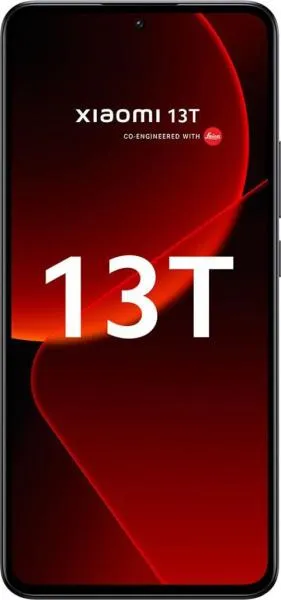
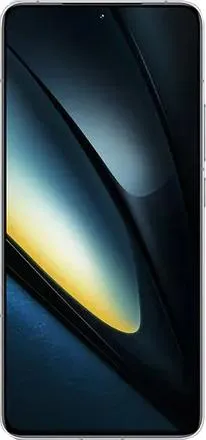
| Dimensions | 162.2 x 75.7 x 8.5 mm | 160.9 x 75 x 8.2 mm | Poco F6 Pro is slightly shorter, thinner, and narrower, potentially offering a marginally improved grip. |
| Weight | 193g | 209g | The 13T is noticeably lighter, reducing hand fatigue during extended use. |
| Build Materials | Not specified | Not specified | Build quality and durability cannot be compared without further information. |
| Display | |||
| Size | 6.67" | 6.67" | Identical screen sizes offer the same media consumption experience. |
| Type | AMOLED, 68B colors, 144Hz, Dolby Vision, HDR10+ | AMOLED, 68B colors, 120Hz, Dolby Vision, HDR10+ | Both offer vibrant colors and high dynamic range. The 13T's 144Hz refresh rate provides smoother animations and scrolling compared to the F6 Pro's 120Hz. |
| Resolution | 1220 x 2712 (FHD+) | 1440 x 3200 (QHD+) | The F6 Pro's significantly higher resolution results in sharper text and images. |
| Peak Brightness | 2600 nits | 4000 nits | The F6 Pro's higher peak brightness ensures better visibility in direct sunlight. |
| Performance | |||
| Chipset | Mediatek Dimensity 8200 Ultra | Qualcomm Snapdragon 8 Gen 2 | Snapdragon 8 Gen 2 generally offers superior performance in benchmarks and demanding tasks. |
| CPU | Octa-core (1x3.1 GHz Cortex-A78 & 3x3.0 GHz Cortex-A78 & 4x2.0 GHz Cortex-A55) | Octa-core (1x3.2 GHz Cortex-X3 & 2x2.8 GHz Cortex-A715 & 2x2.8 GHz Cortex-A710 & 3x2.0 GHz Cortex-A510) | The Snapdragon 8 Gen 2's more modern architecture likely provides better performance and efficiency. |
| GPU | Mali-G610 MC6 | Adreno 740 | The Adreno 740 generally offers better gaming performance and graphics rendering compared to the Mali-G610 MC6. |
| RAM | 12GB | 12GB/16GB | Both offer ample RAM for multitasking, but the F6 Pro offers a higher 16GB RAM option for even more demanding users. |
| Storage | 256GB | 512GB/1TB | The F6 Pro offers significantly more storage for media, apps, and files. |
| Camera | |||
| Rear Camera | Not Specified | Not Specified | Camera performance cannot be compared without specific sensor details and features. |
| Video Capabilities | Up to 4K@30fps | Up to 8K@24fps and slow-motion up to 720p@1920fps | The F6 Pro offers significantly better video recording capabilities, including higher resolution and frame rates, as well as extreme slow-motion. |
| Battery | |||
| Capacity | 5000 mAh | 5000 mAh | Identical battery capacities suggest similar battery life, although real-world usage may vary depending on other factors. |
2. Key Differences Analysis
Xiaomi 13T Advantages:
- Higher Refresh Rate Display: Smoother scrolling and animations for a more responsive user experience.
- Lighter Weight: More comfortable for extended use.
- Potentially Lower Price: While not specified, historically the T series is positioned lower than the F series.
Xiaomi Poco F6 Pro Advantages:
- Significantly Higher Resolution Display: Sharper visuals for media consumption and productivity.
- More Powerful Processor and GPU: Better performance for demanding tasks and gaming.
- Higher Peak Brightness: Enhanced outdoor visibility.
- More Storage Options: Accommodates more apps, files, and media.
- Superior Video Recording Capabilities: Higher resolution and frame rates for capturing high-quality video.
- More Recent OS: Starts with a newer Android version, potentially offering longer software support.
3. User Profiles & Recommendations
Xiaomi 13T: Users prioritizing a smooth display experience, lighter weight, and potentially lower price. Suitable for everyday tasks, media consumption, and casual gaming.
Xiaomi Poco F6 Pro: Power users, gamers, and content creators who demand top-tier performance, a sharp display, ample storage, and advanced video recording capabilities.
4. Decision Framework
Key Questions:
- What is your budget? The Poco F6 Pro is likely more expensive.
- What are your primary use cases? Gaming, content creation, or everyday tasks?
- Do you prioritize display smoothness or resolution? 144Hz vs. QHD+?
Scenario-Based Recommendations:
- Tight budget and prioritize smoothness: Xiaomi 13T.
- Demanding tasks and gaming: Xiaomi Poco F6 Pro.
- Content creation with high-quality video recording: Xiaomi Poco F6 Pro.
My Choice: Xiaomi Poco F6 Pro
While the 13T's 144Hz display and lighter weight are appealing, the Poco F6 Pro's superior performance, sharper display, and vastly improved video capabilities make it the better overall device for my needs. The Snapdragon 8 Gen 2 offers a significant performance advantage, and the QHD+ resolution provides a noticeably crisper viewing experience. I prioritize future-proofing and having a device capable of handling demanding tasks and the latest games, making the F6 Pro the more compelling choice. The extra storage options and more recent OS also contribute to its long-term value. While the extra weight is a minor drawback, the overall performance and feature set of the F6 Pro outweigh this minor inconvenience.
