1. Specifications Comparison
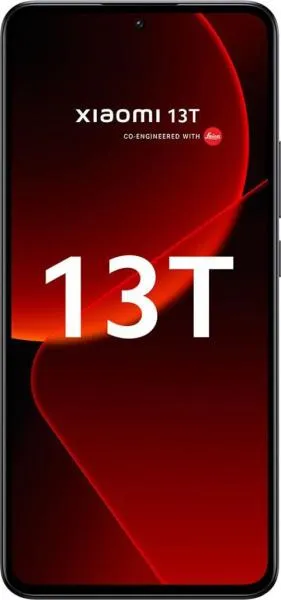
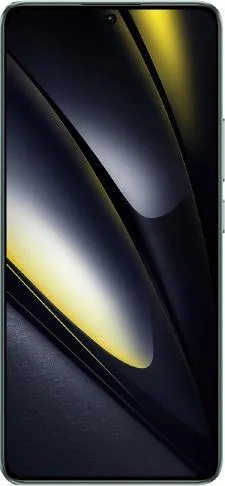
| Feature | Category | Xiaomi 13T | Xiaomi Poco F6 | Practical Impact |
|---|---|---|---|---|
| Dimensions | Design | 162.2 x 75.7 x 8.5 mm | 160.5 x 74.5 x 8 mm | Poco F6 is slightly smaller and thinner, potentially improving one-handed usability. |
| Weight | Design | 193g | 179g | Poco F6 is noticeably lighter, reducing hand fatigue during extended use. |
| Display Type | Display | AMOLED, 68B colors | AMOLED, 68B colors | Both offer vibrant colors and deep blacks due to AMOLED technology. |
| Display Size | Display | 6.67" | 6.67" | Identical screen sizes offer the same media consumption experience. |
| Resolution | Display | 1220 x 2712 | 1220 x 2712 | Identical resolutions result in similar sharpness. |
| Refresh Rate | Display | 144Hz | 120Hz | 13T's higher refresh rate provides smoother animations and scrolling, especially noticeable in gaming and fast-paced UI interactions. |
| Peak Brightness | Display | 2600 nits | 2400 nits | 13T can get slightly brighter, improving outdoor visibility in direct sunlight. |
| Chipset | Performance | Mediatek Dimensity 8200 Ultra | Qualcomm Snapdragon 8+ Gen 1 | Snapdragon 8+ Gen 1 generally offers better performance, particularly in demanding tasks and gaming due to its more powerful CPU and GPU. |
| CPU | Performance | Octa-core (1x3.1 GHz Cortex-A78 & 3x3.0 GHz Cortex-A78 & 4x2.0 GHz Cortex-A55) | Octa-core (1x3.0 GHz Cortex-X4 & 4x2.8 GHz Cortex-A720 & 3x2.0 GHz Cortex-A520) | Poco F6's CPU architecture is newer and generally more efficient. |
| GPU | Performance | Mali-G610 MC6 | Adreno 735 | Adreno 735 generally delivers superior graphics performance compared to Mali-G610 MC6, resulting in better gaming experiences. |
| RAM | Performance | 12GB | 12GB | Both offer ample RAM for multitasking and smooth operation. |
| Storage | Performance | 256GB | 512GB | Poco F6 offers double the storage, allowing users to store more apps, photos, and videos. |
| Battery Capacity | Battery | 5000 mAh | 5000 mAh | Identical battery capacities suggest similar battery life, though actual usage will depend on other factors. |
| OS | Software | Android 13 | Android 14 | Poco F6 ships with a newer Android version, offering potential performance and feature improvements. |
| Video Capabilities | Camera | Up to 4K@30fps | Up to 4K@60fps & 1080p@240fps | Poco F6 offers more versatile video recording options with higher resolution and frame rate, particularly useful for slow-motion capture. |
| Sensors | Other | Accelerometer, gyro, proximity, compass, Fingerprint (under display), color spectrum | Accelerometer, gyro, compass, Fingerprint (under display) | 13T includes a color spectrum sensor for potentially more accurate color reproduction in certain scenarios. Poco F6 lacks specific sensor details. |
2. Key Differences Analysis
Xiaomi 13T Advantages:
- Higher Refresh Rate Display: Smoother visuals for gaming and everyday use.
- Slightly Brighter Display: Enhanced outdoor visibility.
- Color Spectrum Sensor: Potentially more accurate color reproduction.
Xiaomi Poco F6 Advantages:
- More Powerful Processor: Better performance for demanding tasks and gaming.
- Larger Storage Capacity: More space for apps, media, and files.
- More Versatile Video Recording: Higher resolution and frame rates for capturing videos.
- Lighter and Slightly Smaller: Improved handling and portability.
- Newer Android Version: Access to the latest features and security updates.
3. User Profiles & Recommendations
Xiaomi 13T: Ideal for users who prioritize a smooth display experience for everyday tasks, social media browsing, and casual gaming.
Xiaomi Poco F6: Better suited for power users who demand top-tier performance for gaming, content creation, and multitasking, and who value ample storage.
4. Decision Framework
Key Questions for Buyers:
- What is your budget and storage requirement? The Poco F6 offers double the storage but might be slightly more expensive.
- Is peak performance a priority? The Poco F6 with the Snapdragon 8+ Gen 1 is the clear winner for demanding tasks and gaming.
- How important is display smoothness? The 13T's 144Hz refresh rate provides a noticeable advantage in visual fluidity.
Scenario-Based Recommendations:
- Gamer: Poco F6 for its superior performance.
- Casual User: Either phone would suffice, with the 13T potentially offering a better value proposition depending on pricing.
- Power User: Poco F6 for performance and storage.
- Outdoor Enthusiast: 13T for its brighter display.
My Choice: Xiaomi Poco F6
While the 13T offers a smoother display and potentially better value, the Poco F6's superior performance, larger storage, more versatile video recording capabilities, and newer Android version make it a more compelling overall package for me. The slightly lighter and smaller form factor is also a welcome bonus. The performance difference between the Snapdragon 8+ Gen 1 and Dimensity 8200 Ultra would be significant for my usage, which includes gaming and demanding applications. While I appreciate the smoother display of the 13T, the overall advantages of the Poco F6 outweigh this single benefit in my personal use case.
