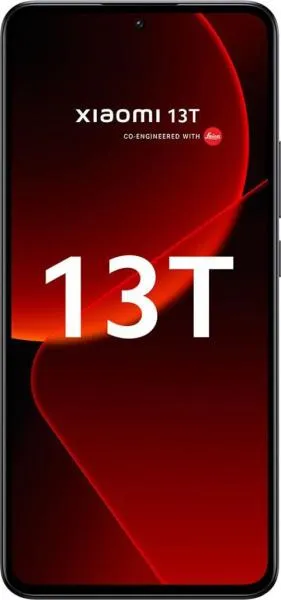
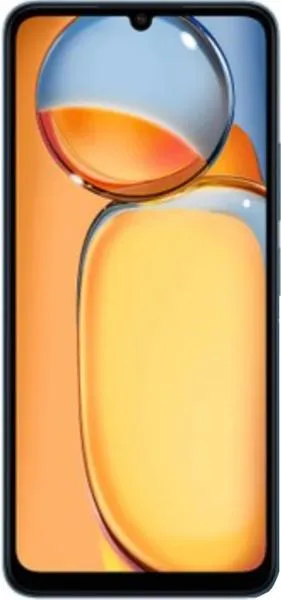
1. Specifications Comparison
| Feature | Xiaomi 13T | Xiaomi Poco C65 | Practical Impact |
|---|---|---|---|
| Design | |||
| Dimensions | 162.2 x 75.7 x 8.5 mm | 168 x 78 x 8.1 mm | The 13T is slightly smaller and thinner, potentially more comfortable for one-handed use. |
| Weight | 193g | 192g | Negligible weight difference. |
| Build Materials | Not specified | Not specified | Cannot compare build quality and durability without more information. |
| Display | |||
| Display Type | AMOLED, 68B colors, 144Hz | IPS LCD, 90Hz | The 13T's AMOLED offers significantly better contrast, deeper blacks, and richer colors. The 144Hz refresh rate provides smoother animations and scrolling compared to the Poco C65's 90Hz. |
| Resolution | 1220 x 2712 | 720 x 1600 | The 13T has a much sharper display with significantly higher pixel density (446 ppi vs 260 ppi), resulting in clearer text and images. |
| Peak Brightness | 2600 nits | 600 nits | The 13T's display is dramatically brighter, ensuring excellent outdoor visibility even in direct sunlight. |
| Performance | |||
| Chipset | Mediatek Dimensity 8200 Ultra (4 nm) | Mediatek Helio G85 (12 nm) | The 8200 Ultra is a significantly more powerful chipset, enabling much faster performance in demanding tasks like gaming and multitasking. |
| CPU | Octa-core (1x3.1 GHz Cortex-A78 & 3x3.0 GHz Cortex-A78 & 4x2.0 GHz Cortex-A55) | Octa-core (2x2.0 GHz Cortex-A75 & 6x1.8 GHz Cortex-A55) | The 13T's CPU has faster clock speeds and a more modern architecture, resulting in a noticeable performance advantage. |
| GPU | Mali-G610 MC6 | Mali-G52 MC2 | The 13T's GPU offers significantly better graphics performance, crucial for gaming and graphically intensive applications. |
| RAM | 12GB | 8GB | The 13T offers more RAM, enabling smoother multitasking and better performance with memory-intensive applications. |
| Storage | 256GB | 256GB | Both phones offer the same storage capacity. |
| Camera | |||
| Rear Camera | Not specified | Not specified | Camera performance cannot be compared without details on sensor size, aperture, and features. |
| Video Capabilities | 4K@30fps (HDR, EIS), 1080p at various frame rates with HDR and EIS | 1080p@30fps | The 13T offers superior video recording capabilities with 4K resolution, HDR, and EIS for smoother footage. |
| Battery | |||
| Capacity | 5000 mAh | 5000 mAh | Both phones have the same battery capacity. Actual battery life will depend on usage and optimization. |
2. Key Differences Analysis
Xiaomi 13T Advantages:
- Superior Display: Significantly better color accuracy, contrast, refresh rate, and brightness.
- Significantly Faster Performance: More powerful chipset, CPU, and GPU for demanding tasks and gaming.
- Smoother Multitasking: More RAM for seamless app switching and background processes.
- Better Video Recording: 4K resolution, HDR, and EIS for higher quality videos.
Xiaomi Poco C65 Advantages:
- Potentially Lower Price: Belongs to a lower price range.
3. User Profiles & Recommendations
Xiaomi 13T: Ideal for users who prioritize performance, a high-quality display, and smooth multitasking. Suitable for gamers, power users, and content creators.
Xiaomi Poco C65: Suitable for budget-conscious users who prioritize basic smartphone functionality for everyday tasks like calling, texting, and browsing.
4. Decision Framework
Key Questions for Buyers:
- What is your budget? The Poco C65 is expected to be significantly cheaper.
- What are your primary use cases? Gaming, content creation, or heavy multitasking benefit from the 13T's performance. Basic usage is well-served by the Poco C65.
- How important is display quality? The 13T's AMOLED display is a major advantage for media consumption.
My Choice: Xiaomi 13T
While lacking some specific camera details, the Xiaomi 13T is the clear winner based on the provided information. The superior display, significantly enhanced performance, and smoother multitasking capabilities make it a much more compelling device for a wider range of users. While the Poco C65 offers a budget-friendly option, the compromises in performance and display quality are substantial. The 13T offers a far better user experience for a moderate price increase, making it the preferable choice. The jump in performance and display alone justifies the higher price for most users. If budget is extremely tight, the Poco C65 might suffice, but the 13T offers a significantly better long-term investment in terms of performance and user experience.
